

On this page
Tokyo Travel Guide: Tradition, Tomorrow, and Urban Mastery
Covering over 2,190 square kilometers and home to more than fourteen million residents in its urban core alone, Tokyo is the world’s most populous metropolitan area. Yet beneath its reputation as a dizzying, neon-slick concrete maze lies an astonishingly organized and peaceful society. Tokyo is a metropolis where three-hundred-year-old wooden shrines and quiet family-run bonsai nurseries sit tucked directly behind glass skyscrapers; where high-speed trains arrive to the second; and where vending machines, 24-hour convenience stores (konbini), and neighborhood standing bars make daily travel intuitive and secure.
For visitors, Tokyo defies single definitions. It is simultaneously the epicenter of global culinary perfection, ancient Shinto ritual, avant-garde streetwear, futuristic robotics, and nostalgic post-war drinking alleys. Whether exploring the working-class warmth of its historic northeast shitamachi (low city) or navigating the towering commercial hubs of the west, Tokyo offers endless layers of discovery. With sensible preparation and an understanding of the city's district-based layout, navigating this urban giant is one of the most rewarding adventures in international travel.
Navigating Tokyo: Understanding the Urban Geography
Unlike cities built around a single downtown core, Tokyo is a polycentric network of distinct city hubs linked by the circular JR Yamanote Line and an intricate grid of thirteen subway lines operated by Tokyo Metro and Toei Subway. A smart itinerary groups sights geographically by neighborhood sectors to avoid losing hours zigzagging across town.
| Sector | Key Neighborhoods | Character & Primary Sights | Best For |
|---|---|---|---|
| Historic Northeast (Shitamachi) | Asakusa, Ueno, Yanaka, Ryōgoku | Preserved Edo heritage, Senso-ji temple, museum parks, national sumo arena, craft alleys. | Culture lovers, budget accommodations, traditional street food. |
| West & Modern Hubs | Shinjuku, Shibuya, Harajuku | Skyscrapers, massive rail interchanges, scrambled crossings, neon nightlife, youth fashion. | First-time visitors, nightlife, central transit access. |
| Central & Luxury | Marunouchi, Ginza, Imperial Palace | The emperor's residence, luxury fashion department stores, high-end kaiseki, Tokyo Station hub. | Fine dining, flagship shopping, direct airport rail links. |
| Pop Culture & Tech | Akihabara, Ikebukuro | Electric Town, multi-story anime megastores, retro gaming centers, maid cafés. | Gaming, anime merchandise, electronics. |
| South & Waterfront | Roppongi, Odaiba, Tsukiji/Toyosu | Art triangles, bayfront views, seafood markets, international dining and cocktail clubs. | Contemporary art, architecture, evening skyline views. |
12 Essential Things to Do in Tokyo
1. Explore the Historic Shitamachi: Asakusa and Sensō-ji
Asakusa is the cultural heart of Tokyo’s old working-class district. Its focal point is Sensō-ji, the city's oldest Buddhist temple, founded in 645 AD. Visitors enter through the massive Kaminarimon (Thunder Gate), dominated by its iconic red paper lantern weighing nearly 700 kilograms. Beyond the gate runs Nakamise-dōri, a 250-meter stone approach that has hosted market stalls for centuries, selling freshly griddled ningyo-yaki (sponge cakes stuffed with red bean paste), rice crackers, and traditional folding fans. Beyond the main hall, explore the quieter backstreets of Asakusa, including Hoppy Dori, a lively strip of outdoor taverns famous for stewed beef tendon (gyusuji nikomi).
2. Step Back in Time: Yanaka, Nezu, and Sendagi (The Yanesen District)
Spared from the major bombings of World War II and the rampant redevelopment of the 1980s bubble economy, the quiet trio of neighborhoods known as Yanesen preserves genuine pre-war charm. Stroll through Yanaka Ginza, a nostalgic shopping street famous for street snacks and local artisan stalls. Visit Nezu Shrine, established over 1,900 years ago, renowned for its hillside tunnel of vibrant vermilion torii gates and peaceful pond garden, offering a quiet alternative to Kyoto’s crowded Fushimi Inari.
3. Ueno Park and the National Museums
Directly adjacent to Asakusa lies Ueno Park, a vast public greenspace established on former temple grounds in 1873. During early April, its wide central avenue is one of Tokyo’s premier cherry blossom (hanami) gathering spots. Ueno is also Japan’s premier museum hub, home to the Tokyo National Museum (housing the world’s most extensive collection of Japanese art and archaeological artifacts), the National Museum of Western Art (designed by Le Corbusier), and the peaceful lotus-covered Shinobazu Pond.
4. The Imperial Palace and Marunouchi
Occupying the former site of Edo Castle—once the largest fortress in the world—the Imperial Palace sits at the geographic center of Tokyo, enveloped by wide stone moats, defensive ramparts, and weeping willows. While the inner residential palace is closed to the public except on special guided tours, the East Gardens are free to explore, featuring the massive stone foundations of the ancient castle keep and manicured traditional gardens. Immediately east lies Marunouchi, a sleek financial district centered around the beautifully restored 1914 red-brick Tokyo Station facade, lined with international dining and high-end boutiques.
5. High-Fashion Flagships: Ginza
Ginza is Japan’s undisputed capital of luxury retail and fine dining. Rebuilt on a grid system following a catastrophic 1872 fire, Ginza features wide boulevards lined with architectural showpieces housing global fashion houses, historic department stores like Matsuya and Wako (famed for its 1932 rooftop clock tower), and Ginza Six. On weekend afternoons, the main thoroughfare of Chūō-dōri is closed to vehicular traffic for the Hokōsha Tengoku (Pedestrian Paradise), allowing shoppers to stroll freely down the avenue. Below street level, Ginza hides some of Tokyo's most celebrated sushi dens, historic stationery shops like Itoya, and the celebrated Kabuki-za Theatre, where travelers can purchase single-act tickets (makimi-seki) to watch classical kabuki performances.
6. Cross the World's Busiest Intersection: Shibuya
Exiting the Hachikō Exit of Shibuya Station brings you directly to Shibuya Scramble Crossing, where up to three thousand pedestrians surge across the intersection on every green light. Overlooked by towering video billboards and neon signage, it represents the visual pulse of modern Tokyo. Before crossing, pay respects to the bronze statue of Hachikō, the faithful Akita dog who waited at the station daily for nine years after his owner’s death. For panoramic aerial views over the scramble and the city skyline, head up to the open-air observation deck at Shibuya Sky atop the Scramble Square tower.
7. Youth Trends and Serenity: Harajuku and Meiji Shrine
Just one stop north of Shibuya on the Yamanote Line, Harajuku presents an extraordinary juxtaposition of subculture fashion and profound spiritual quiet:
- Takeshita Street: A narrow, 350-meter pedestrian lane packed with youth fashion boutiques, sweet crêpe stands, sticker picture booths (purikura), and accessory shops.
- Omotesandō: Running parallel to Takeshita, this broad, tree-lined avenue is known as Tokyo’s Champs-Élysées, showcasing haute couture flagships designed by Pritzker Prize-winning architects and the refined Omotesando Hills retail complex.
- Meiji Jingū: Stepping off the streets of Harajuku into the forested grounds of Meiji Shrine provides instant tranquility. Dedicated to the deified spirits of Emperor Meiji and Empress Shoken, the shrine sits inside a 170-acre evergreen forest planted by volunteers in 1920 with over 100,000 trees donated from across Japan. Pass beneath towering cypress torii gates and admire the massive wall of decorative sake barrels (kazaridaru) donated by brewers nationwide.
8. The Neon Maze of Shinjuku
Operating as the world’s busiest transportation terminal—handling upwards of 3.5 million passengers daily across dozens of platforms—Shinjuku is a city unto itself. The district splits into two distinct personalities:
- West Shinjuku (Nishi-Shinjuku): A disciplined grid of corporate headquarters, luxury hotels, and government skyscrapers, anchored by the dual towers of the Kenzo Tange-designed Tokyo Metropolitan Government Building. The 45th-floor observation decks are completely free to enter and provide sweeping views across Tokyo to Mount Fuji on clear days.
- East Shinjuku & Kabukichō: Asia’s largest entertainment quarter, glowing with multi-story LED screens, izakayas, arcades, and host clubs. Walk down narrow Omoide Yokocho (Memory Lane), a post-war alley running alongside the train tracks packed with tiny yakitori stalls grilling chicken skewers over binchōtan charcoal.
- Shinjuku Gyoen National Garden: A magnificent 144-acre public park blending French formal, English landscape, and traditional Japanese garden designs. It is one of the best places in the city for an afternoon picnic during spring cherry blossoms and autumn maple changes.
9. Vintage Nightlife: Golden Gai
Tucked directly behind the bustling Hanazono Shrine in Shinjuku, Golden Gai is an architectural relic of pre-modern Tokyo. Comprising six narrow alleys connected by tiny passageways, this micro-district packs over two hundred miniature bars into low-rise timber buildings. Most bars accommodate no more than five to eight patrons at a time around a single counter. Many venues have specific creative identities—frequented by film directors, musicians, writers, or photography buffs. Keep an eye out for signs indicating whether an establishment is welcoming to tourists and note that many charge a modest seating fee (otōshi) ranging from ¥500 to ¥1,000.
10. Tech and Subculture: Akihabara Electric Town
Originating as a black-market radio parts bazaar after World War II, Akihabara evolved into the world capital of consumer electronics, anime, manga, and gaming. The main street of Chūō-dōri is anchored by multi-level electronics superstores like Yodobashi Camera alongside towering hobby shops like Mandarake and Radio Kaikan, which house thousands of individual display lockers selling rare character figures, retro video game cartridges, and collectibles. Akihabara is also the birthplace of themed hospitality, including maid cafés and retro arcade centers.
11. Contemporary Art and Skyline Dining: Roppongi
While historically infamous for raucous expat nightclubs, Roppongi has successfully reinvented itself as Tokyo’s premier contemporary art hub, known as the Roppongi Art Triangle:
- Mori Art Museum: Located on the 53rd floor of Roppongi Hills Mori Tower, hosting world-class modern art exhibitions paired with panoramic skyline viewing windows.
- The National Art Center, Tokyo: Housed in a wave-like glass building designed by Kisho Kurokawa, featuring rotating international exhibitions without a permanent collection.
- Suntory Museum of Art: Set inside Tokyo Midtown, focusing on traditional Japanese art, lacquerware, ceramics, and textiles.
12. Seafood and Bayside Architecture: Tsukiji, Toyosu, and Odaiba
While the famous wholesale tuna auction relocated southeast to the modern Toyosu Market in 2018 (where visitors can view wholesale auctions from elevated glass observation galleries), the historic Tsukiji Outer Market remains an energetic culinary destination. The narrow lanes of Tsukiji are packed with over three hundred food stalls, fishmongers, and specialty knife makers serving fresh sea urchin (uni), seared wagyu beef skewers, fatty tuna bowls (kaisendon), and rolled omelets (tamagoyaki).
Across the striking suspension cables of the Rainbow Bridge lies Odaiba, an artificial island originally built in the 1850s for coastal defense. Today, it features seaside promenades, the futuristic Fuji TV building designed by Kenzo Tange, the Miraikan (National Museum of Emerging Science and Innovation), and a life-sized Unicorn Gundam statue that transforms at scheduled times daily.
How to Spend 24 Hours in Tokyo: The Efficient Circuit
If you have only a single day in Tokyo, this route maximizes transit efficiency on the JR Yamanote and Metro lines while minimizing backtrack time:
- 07:30 AM – Historic Awakening in Asakusa: Arrive at Sensō-ji before the tour groups land. Photograph the Kaminarimon gate, burn a stick of incense at the great bronze jōkōro urn, and sample warm age-manjū (fried bean-paste cakes) along the edge of Nakamise-dōri.
- 10:00 AM – Forest Walk at Meiji Jingū: Board the Ginza Line subway to Omotesando and walk across to Harajuku. Enter the forested grounds of Meiji Shrine, take in the tranquil cedar courtyards, and glance at the vibrant street fashion along Takeshita Street on your way out.
- 12:30 PM – Shibuya Crossing & Standing Sushi: Walk fifteen minutes south down the Meiji-dori shopping boulevard into Shibuya. Experience the surge of Shibuya Crossing, browse Tower Records, and grab a quick, high-grade lunch at a neighborhood standing sushi bar (tachimui-zushi) or conveyor-belt spot.
- 03:30 PM – Aerial Views in Shinjuku: Take the Yamanote line three stops to Shinjuku. Head straight to the Tokyo Metropolitan Government Building in West Shinjuku to take the express elevator to the 45th-floor observation deck for panoramic afternoon city views.
- 06:00 PM – Sunset Stroll at Shinjuku Gyoen: Walk through the historic landscaping of Shinjuku Gyoen before gate closure, admiring the sunset against the skyscraper backdrop.
- 07:30 PM – Evening Bites on Omoide Yokocho: Dive beneath the train bridges along the west tracks of Shinjuku. Grab a wooden stool at a charcoal grill stall on Memory Lane for grilled chicken skewers, gyoza, and cold draft beer.
- 09:30 PM – Nightcap in Golden Gai: Finish your night slipping through the tiny, lantern-lit alleys of Golden Gai, finding an intimate four-seat bar for artisanal Japanese whisky or local sake.
Smart Insider Tips for Traveling Tokyo
- Add a Digital Transit Card to Your Phone: Skip ticket lines entirely. If using an iPhone, go to Apple Wallet, hit the "+" button, select "Transit Card," choose Suica or Pasmo, and load it immediately with a credit card (Mastercard/Amex work best). Tap your phone directly across turnstiles, subway gates, local buses, and at thousands of vending machines and convenience stores.
- Luggage Forwarding (Takuhaibin): Do not drag large suitcases through rush-hour subway stations. Use Yamato Transport ("Black Cat") or hotel front desks to forward luggage directly from your Tokyo hotel to your next stop in Kyoto or Osaka for roughly ¥2,000 to ¥3,500 per bag.
- Beat Jet Lag with Early Temple Visits: Traveling from the West often wakes you at 4:30 AM on your first morning. Take advantage of it: head straight to Sensō-ji or Meiji Shrine at sunrise when grounds are peaceful and completely free of crowds.
- Conquer the Konbini: Japanese convenience stores (7-Eleven, FamilyMart, Lawson) offer high quality, fresh food. You can pick up balanced, chef-grade onigiri (rice balls), fresh tamago sando (egg salad sandwiches), and hot fried chicken (Famichiki) for under ¥500.
- Standing Bars (Tachinomiya): For authentic neighborhood dining on a budget, look for curtains reading Tachinomi near commuter train stations. Workers stand elbow-to-elbow eating yakitori, sashimi, and gyoza accompanied by highballs for a fraction of restaurant prices.
- Download Essential Apps: Install Japan Travel by NAVITIME or use Google Maps (which accurately lists exact platform numbers and train car positions for efficient station exits). Use Google Translate's live camera mode to read kanji packaging and restaurant menus instantly.
Dining in Tokyo: Culinary Excellence at Every Price Point
Tokyo holds more Michelin stars than any other city on earth, but you do not need an expense account to eat exceptionally well. Master chefs often spend decades perfecting a single dish, leading to intense culinary specialization across distinct restaurant styles:
- Ramen Specialties & Tsukemen: Beyond classic soy (shoyu) and pork bone (tonkotsu) broths, sample Tokyo’s homegrown creation: Tsukemen. Developed at Taishoken in Ikebukuro, tsukemen features extra-thick, chilled noodles served alongside an intensely concentrated, piping-hot dipping broth made of reduced pork, bonito flakes, and seafood.
- Izakaya Dining: The Japanese gastropub experience. Order a series of small, shareable dishes from paper menus or digital tablets—edamame, karaage (fried chicken), sashimi plates, and grilled skewers—paired with beer, sake, or sour cocktails (like lemon chūhai).
- Depachika Basements: The subterranean basement levels of major department stores (such as Isetan Shinjuku, Ginza Mitsukoshi, and Daimaru Tokyo Station) are vast gastronomic wonderlands. Explore hundreds of gleaming counters selling regional bento, artisanal pickles, French pastries, yakitori, and high-end seasonal fruit.
- Stand-Up Noodle Stalls (Tachigui Soba): Located inside or directly outside train station ticket barriers, these automated counters dispense hot soba or udon bowls topped with crispy kakiage tempura in under two minutes for under ¥600. Perfect for breakfast on transit days.
Best Day Trips from Tokyo
1. Nikkō (128 km north – 1 hr 50 min via Tobu Spacia Limited Express)
Nestled in the cedar-covered mountains of Tochigi Prefecture, Nikkō houses the magnificent Tōshō-gū Shrine, the lavishly gilded mausoleum of Shogun Tokugawa Ieyasu. In stark contrast to Buddhist minimalism, Tōshō-gū features over five hundred intricate carvings, including the famous "Hear no evil, speak no evil, see no evil" three wise monkeys and the sleeping cat (Nemuri-neko). Beyond the historic shrines lies Nikkō National Park, featuring Lake Chūzenji and the thundering 97-meter Kegon Falls.
2. Kamakura and Enoshima (50 km south – 55 min via JR Yokosuka Line)
Serving as the political capital of Japan during the Kamakura shogunate (1185–1333), this seaside town is often called the "Kyoto of Eastern Japan." Walk through ancient Zen temples like Kenchō-ji and Hase-dera, and stand before the monumental Kōtoku-in Daibutsu—an eleven-meter open-air bronze Great Buddha cast in 1252. Take the vintage green Enoden coastal railway along the Pacific beaches to the shrine island of Enoshima for views across Sagami Bay.
3. Hakone and Lake Ashi (85 km southwest – 75 min via Odakyu Romancecar)
Part of the Fuji-Hakone-Izu National Park, Hakone is Tokyo’s favorite hot-spring (onsen) escape. Take the classic Hakone Round-Trip circuit: ascend steep mountain tracks on the Hakone Tozan switchback railway, ride cable cars over boiling sulfur vents in the volcanic valley of Owakudani, cruise across Lake Ashi on a whimsical pirate ship, and spot the iconic vermilion torii gate of Hakone Shrine standing in the lake water.
4. Mount Takao (50 km west – 50 min via Keio Line from Shinjuku)
A sacred mountain that offers a quick nature escape within Tokyo’s prefecture boundaries. Mount Takao features paved trails, cable cars, chairlifts, and the ancient mountain temple Yakuō-in, where mountain ascetics (yamabushi) practice. On clear autumn and winter mornings, the summit offers unobstructed views of Mount Fuji.
5. Yokohama (30 km south – 25 min via JR Tokaido Line)
Japan’s second-largest city developed rapidly from a tiny fishing hamlet into the country's primary international trade harbor after opening to foreign commerce in 1859. Explore Yokohama Chinatown (Japan’s largest Chinatown, home to over five hundred restaurants and food stalls), take a waterfront stroll through the historic red-brick warehouses of Minato Mirai, and visit the interactive Cup Noodles Museum.
Where to Stay in Tokyo: Neighborhood Breakdown
| Neighborhood | Vibe & Atmosphere | Key Advantages | Accommodation Styles Available |
|---|---|---|---|
| Shinjuku | High-energy, flashing neon, bustling night streets. | Unbeatable transit connections; direct Narita Express and airport limousine buses; endless dining. | Flagship luxury skyscrapers, vast business hotels (including multiple central APAs), boutique capsules. |
| Shibuya & Harajuku | Trendsetting, youthful, pedestrian shopping streets. | Walking distance to shopping, nightlife, cafes; energetic day-to-night buzz. | Design-forward hotels, mid-tier lifestyle properties, boutique private apartments. |
| Tokyo Station & Ginza | Polished, upscale, grand avenues. | Direct access to Shinkansen bullet trains; fast airport links; high-end culinary scene. | 5-star international luxury, heritage hotels, upscale executive business hotels. |
| Asakusa & Ueno | Historic, relaxed, traditional neighborhood feel. | Cheaper room rates; direct train connections to Narita airport via Keisei Skyliner; authentic market streets. | Budget business hotels, traditional ryokans, design hostels, extended-stay apart-hotels. |
| Akihabara & Kanda | Tech hub by day, calm and orderly by night. | Highly central Yamanote location; excellent value-for-money business hotel density. | Modern functional business hotels, themed capsule hotels, compact chain lodgings. |
Best Times to Visit Tokyo
- Spring (Late March to Mid-April): The famous hanami (cherry blossom) season. The weather is crisp and temperate. Parks across the city (Ueno, Shinjuku Gyoen, Chidorigafuchi Moat, Meguro River) turn soft pink with blooms. Note: Peak blossom brings the highest hotel rates and largest crowds of the year.
- Autumn (October to Late November): The most comfortable weather of the year, with mild temperatures, clear blue skies, and low rainfall. Ginkgo trees along the Meiji Jingu Gaien avenue turn bright golden yellow, and maple trees blaze fiery red throughout city parks.
- Winter (December to February): Cool, crisp, and sunny. While temperatures occasionally touch freezing at night, daytime winter skies are clear, providing the best visibility to view Mount Fuji from city observatories. Downtown quarters are lit by winter illumination displays.
- Summer (July to August): Hot, humid, and demanding. Temperatures often exceed 35°C (95°F) with high humidity. However, summer brings vibrant community festivals (matsuri), street food stalls, and the spectacular Sumida River Fireworks Festival in late July, where thousands dress in light cotton yukata robes.
Transportation: Mastering the World’s Greatest Transit System
Tokyo’s rail system can appear intimidating, but its color-coded lines, English signage, and automated schedules make it the most reliable network in the world:
- JR Yamanote Line: The essential circular rail loop. It connects all major west, north, and east hubs—Shinjuku, Shibuya, Harajuku, Ikebukuro, Ueno, Akihabara, and Tokyo Station. If you ever get lost, finding your way back to a Yamanote station will get you home.
- Tokyo Metro and Toei Subway: Thirteen underground subway routes crisscrossing the urban center. If you plan heavy sightseeing days crossing the city, look into the Tokyo Subway 24/48/72-Hour Ticket, which offers unlimited rides on all Metro and Toei lines for ¥800 to ¥1,500.
- IC Cards (Digital Suica & Pasmo): The universal transit currency. Pre-load your card onto your smartphone wallet before departing. Tap in at the entrance turnstile and tap out at your destination exit; the precise fare is deducted automatically without dealing with paper tickets.
- Taxis & Ride-Hailing: Tokyo taxis are immaculate, with automatic doors operated by the driver and drivers who wear white gloves. While fares are high compared to trains (flag drops start around ¥500), they are invaluable late at night after subways shut down around midnight.


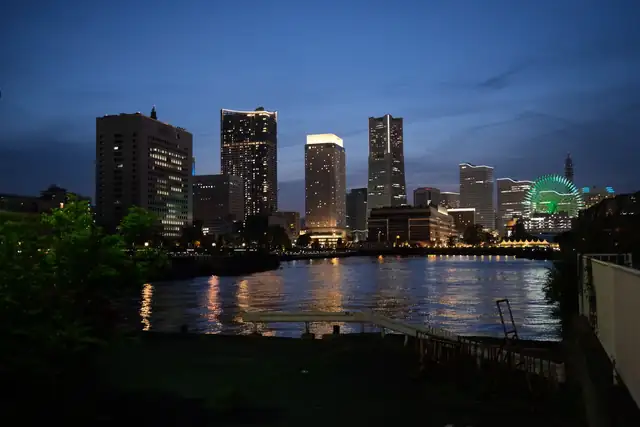 神奈川
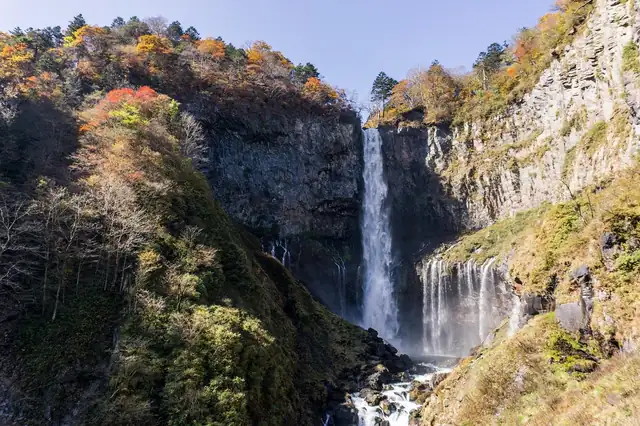 栃木
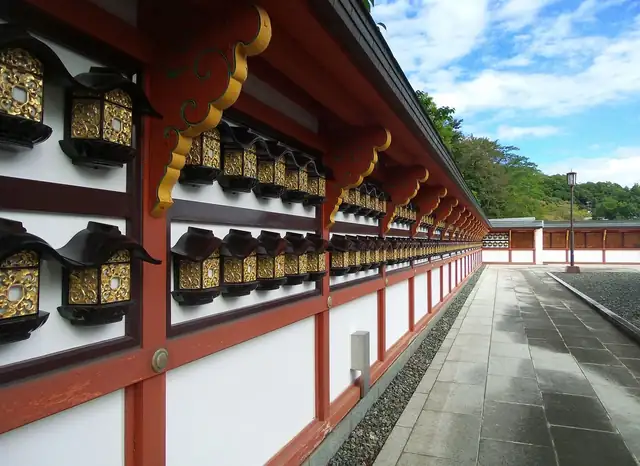 千葉
 群馬
 埼玉
 茨城