Shinto shrines honour the kami, the spirits of places, nature and ancestors. You know one by its torii gate, the purifying water basin at the entrance and the paper lightning-bolt streamers marking sacred ground.
Shrines are part of daily life: people come to pray before exams, bless new cars and bring babies for their first visit, and most local festivals start at the shrine.
When to goAll year. New Year's Day (hatsumode) brings huge crowds; local festivals are mostly in summer and autumn.
Where to go
-
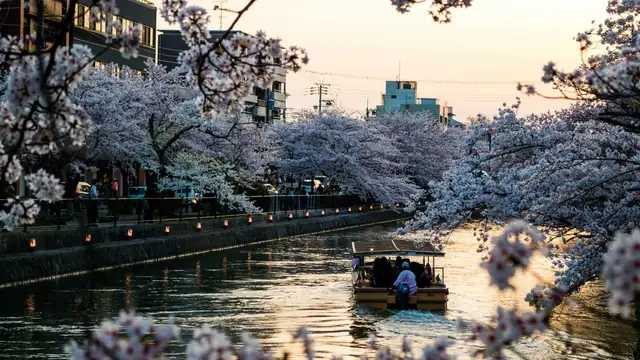 Fushimi InariKyoto · 京都Thousands of red torii gates winding up a forested mountain.
 -
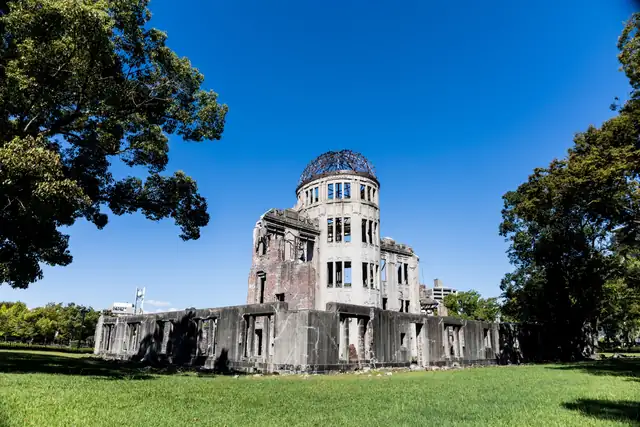 MiyajimaHiroshima · 広島Itsukushima Shrine and its gate that seems to float at high tide.
 -
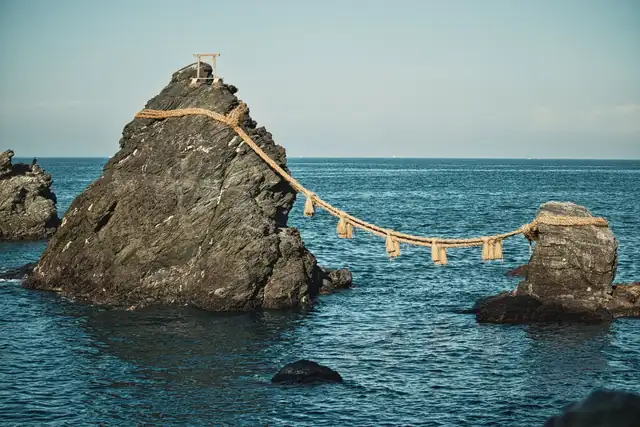 IseMie · 三重Japan's most sacred shrine, rebuilt every 20 years.
 -
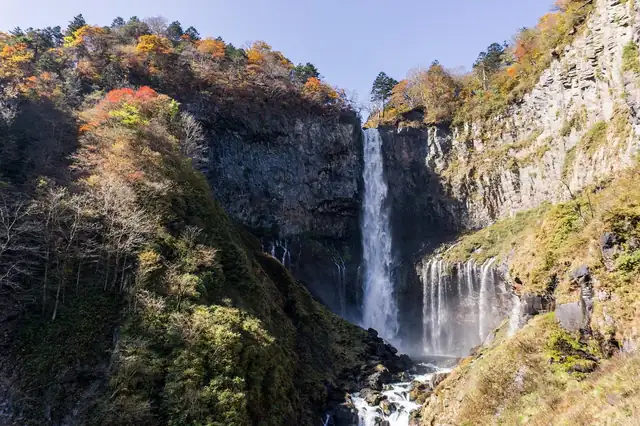 NikkoTochigi · 栃木Toshogu, lavishly carved and gilded in a cedar forest.
 -
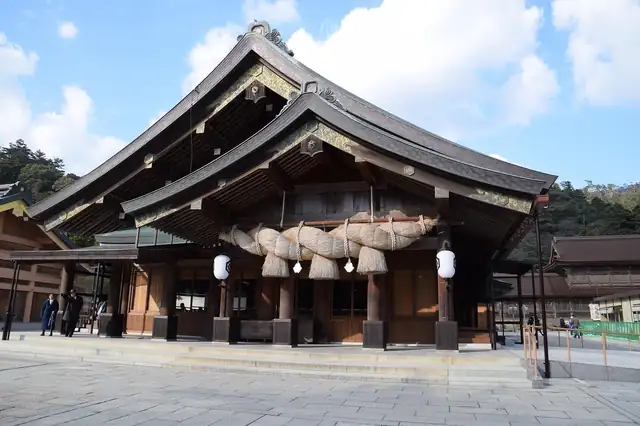 IzumoShimane · 島根One of the oldest shrines, where Japan's gods are said to gather once a year.
 -
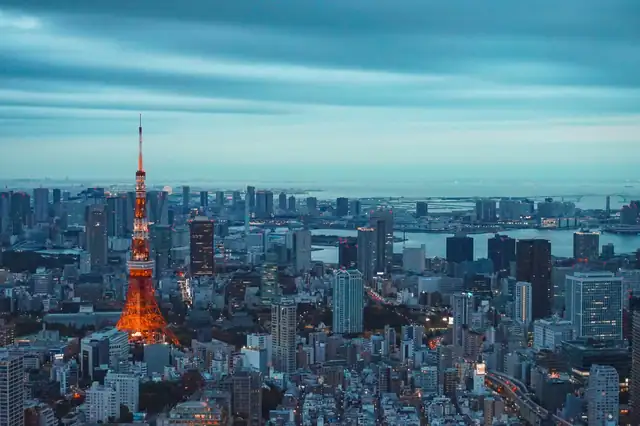 TokyoTokyo · 東京Meiji Jingu, a forest shrine beside Harajuku.
Good to know
- At the water basin rinse your left hand, then your right, then your mouth from your cupped hand.
- To pray: drop a coin, bow twice, clap twice, pray, bow once more.
- Shrines are usually free to enter and the grounds stay open after the offices close.