

On this page
Fukuoka Travel Guide: Gateway to Kyushu, Street Food Stalls & Coastal Energy
Positioned on the northern coast of Kyushu facing the Tsushima Strait and the Asian continent, Fukuoka Prefecture (福岡県) has historically served as Japan’s primary window to mainland Asia. For over two millennia, foreign diplomats, traders, and Buddhist monks entered the Japanese archipelago through Hakata Bay, introducing continental innovations ranging from bronze metallurgy and wet-rice cultivation to Zen Buddhism, green tea seeds, and noodle craftsmanship. In 1889, the historic samurai castle town of Fukuoka merged with the adjacent merchant port of Hakata to forge the modern metropolis of Fukuoka City—now the vibrant administrative, commercial, and culinary capital of Kyushu.
For modern travelers, Fukuoka presents an extraordinary balance of big-city sophistication, beachside relaxation, and open-air food stall camaraderie. Consistently ranked among East Asia’s most liveable cities, its urban core combines cutting-edge architecture like the terraced rooftop forest of ACROS Fukuoka with ancient Zen monasteries and canalside parks. As the sun sets, the city transforms into an open-air gastropub hub, as more than one hundred wheeled food stalls (yatai) roll out along the waterfront. Positioned as the northern terminus of the Sanyō Shinkansen and the gateway to the Kyushu rail web, Fukuoka is the undisputed starting point for any journey across southern Japan.
Navigating Fukuoka Prefecture: Key Geographic Sectors
While Fukuoka City commands center stage, the prefecture encompasses a diverse geographic corridor spanning historic castle towns, sacred island shrines, and scenic coastal capes:
| Sector | Primary Station Hubs | Landscape & Atmosphere | Key Highlights |
|---|---|---|---|
| Hakata & Tenjin (Fukuoka City Core) | JR Hakata / Nishitetsu Fukuoka (Tenjin) | Modern urban center, commercial rail interchanges, canalside boardwalks, evening yatai street food stalls, historic temples. | Nakasu island yatai, Canal City Hakata, Tōchō-ji, Kushida Shrine, Ohori Park & Castle Ruins. |
| Dazaifu & Chikushi Plains | Nishitetsu Dazaifu / Futsukaichi | Ancient imperial administrative capital, camphor tree groves, Shinto education shrines, Zen stone gardens. | Dazaifu Tenmangū, Kyushu National Museum, Kōmyōzen-ji, Mount Hōman trails. |
| Itoshima Peninsula (West) | JR Chikuzen-Maebaru | Rugged granite coastline, Pacific surf breaks, rural oyster huts, coastal cafes, sacred double-rock ocean shrines. | Sakurai Futamigaura (Married Couple Rocks), Keya Beach, winter kakigoya oyster shacks. |
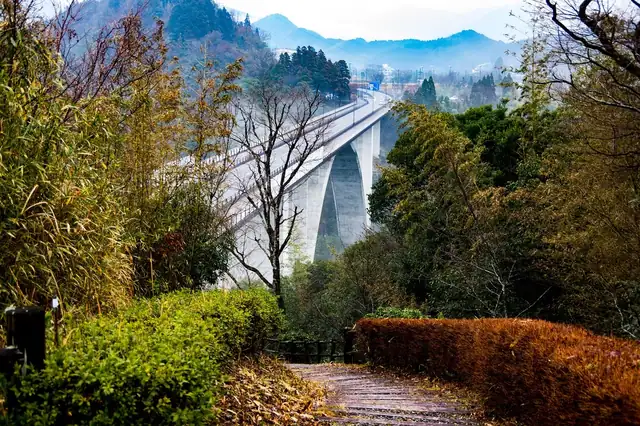
| Kitakyushu & Kanmon Strait (North) | JR Kokura / Mojiko | Meiji-period brick foreign trade ports, samurai castles, dramatic strait bridges, underwater pedestrian tunnels. | Mojiko Retro Port, Kokura Castle, Kanmon Undersea Pedestrian Tunnel, Kawachi Wisteria Garden. |
| Yanagawa (South) | Nishitetsu Yanagawa | Lowland canal network, willow-lined watercourses, punting boats, feudal samurai mansions. | Donko river punting cruises, steamed eel (unagi no seiromushi), Ohana villa estate. |
Top Things to Do Across Fukuoka
1. Dine Under Lanterns at the Nakasu & Tenjin Yatai
Fukuoka is the last major metropolis in Japan that preserves an active, licensed street-food stall culture. Every evening around 6:00 PM, over one hundred mobile food carts known as yatai are wheeled onto the sidewalks of Nakasu Island, Tenjin, and Nagahama. Erecting weather-beaten canvas awnings, counter seating for eight to ten diners, and gas-powered cookstoppers, these tiny kitchens offer an intimate, communal atmosphere where tourists, office workers, and chefs sit shoulder to shoulder.
Order a steaming bowl of rich Hakata Tonkotsu Ramen, sizzling skewers of pork belly (butabara), or iron-skillet gyoza paired with a cold draft beer or local sweet potato shōchū. Yatai Etiquette: Space is tight, so avoid carrying large luggage to the stalls. Most stalls require each guest to order at least one food item alongside a beverage, and lingering after finishing your meal is discouraged when other customers are queueing outside.
2. Explore Hakata’s Ancient Monastic Precincts
Tucked immediately west of the modern shopping corridors of Hakata Station lies a quiet, historic temple quarter showcasing the roots of Japanese Zen Buddhism:
- Tōchō-ji: Founded in 806 AD by the celebrated monk Kūkai (Kōbō Daishi) upon his return from Tang Dynasty China, this Shingon Buddhist temple features a striking red five-story wooden pagoda. Inside the main hall sits the Fukuoka Daibutsu (Great Buddha of Fukuoka)—a 10.8-meter-tall seated wooden carving completed in 1992, making it the largest wooden seated Buddha statue in Japan. Behind the pedestal, enter the "Heaven and Hell Walk," a subterranean labyrinth where visitors feel their way through complete darkness along a guide rail, attempting to touch the "Ring of Salvation" mounted on the wall.
- Kushida Shrine: The spiritual heart of Hakata’s merchant community, founded in 757 AD. The shrine grounds house a massive, thousand-year-old sacred ginkgo tree and display a permanent, decorated Kazari Yamakasa—an elaborately carved, multi-tiered float towering over ten meters tall, depicting mythical warriors and dragons used during the summer festival.
- Shōfuku-ji: Established in 1195 by monk Eisai under the patronage of Minamoto no Yoritomo, Shōfuku-ji is recognized as the very first Zen temple founded in Japan. While the inner monastery halls remain closed to protect ongoing monastic training, visitors can freely wander the peaceful grounds beneath towering cryptomeria pines, dry-rock bridges, and moss beds.
3. Stroll Around Ohori Park and the Fukuoka Castle Ruins
Covering nearly 400,000 square meters, Ohori Park is centered on a vast freshwater lake that originally served as the northern aquatic defense moat for Fukuoka Castle. A paved two-kilometer walking track wraps the perimeter, linked across the center by three pine-covered islands connected by classical arched stone bridges. Rent a rowboat or swan pedal boat to cruise the water, and visit the adjacent Ohori Park Japanese Garden, which features landscaped waterfalls, bonsai displays, and a traditional sukiya-style tea ceremony house.
Directly adjacent to the park lies Maizuru Park, containing the stone foundations and defensive ramparts of Fukuoka Castle (Maizuru Castle), built in 1601 by samurai lord Kuroda Nagamasa. While the original wooden palace keep was dismantled, several turret gates (tamagura) remain intact, surrounded by over one thousand cherry trees that bloom along the stone fortifications in late March.
4. Pay Homage to Scholars at Dazaifu Tenmangū
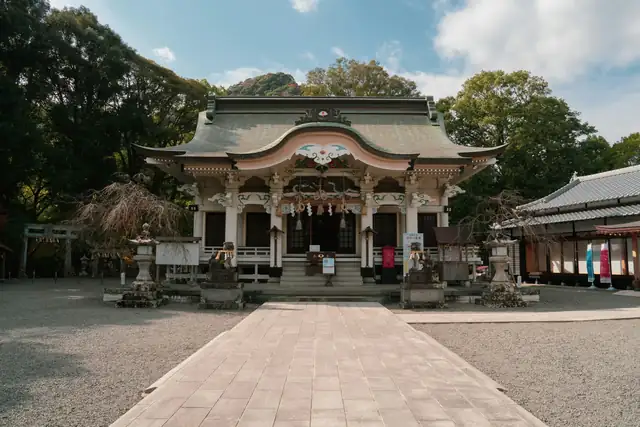
Located thirty minutes south of Fukuoka City via the Nishitetsu private rail line, Dazaifu Tenmangū is one of Japan's most prominent Shinto shrines, drawing millions of students and academics each year to pray for success in examinations. The shrine is built over the burial ground of Sugawara no Michizane, a revered scholar, poet, and court minister who was unjustly exiled from Kyoto to Dazaifu in 901 AD, later deified as Tenjin (the god of literature and academics).
The shrine approach passes two arched red bridges spanning a pond shaped like the Japanese kanji character for "heart" (shin), symbolizing the spiritual purification of mind and body before entering the sanctuary. The grounds feature over six thousand blooming plum trees (ume), anchored by the legendary Tobiume (Flying Plum Tree), which folklore claims uprooted itself and flew across Japan from Kyoto to reunite with Michizane in his exile. Directly behind the shrine, linked by a moving walkway through a mountain tunnel, sits the Kyushu National Museum, an architectural marvel housing Asian trade and cultural artifacts under a sweeping curved blue-glass roof.
5. Coastal Escapes on the Itoshima Peninsula
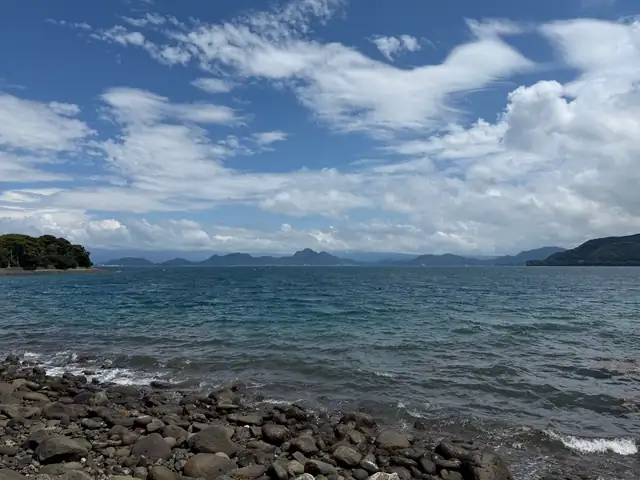
Jutting into the Genkai Sea thirty minutes west of downtown Fukuoka, the Itoshima Peninsula has emerged as Kyushu’s favorite coastal lifestyle escape. The rugged granite coastline is dotted with sandy coves, active surf breaks, and oceanfront craft cafes. The defining landscape icon is Sakurai Futamigaura, two sacred offshore sea stacks known as the "Meoto Iwa" (Married Couple Rocks), bound together by a thick sacred rice-straw rope (shimenawa) framing a stark white wooden torii gate standing directly in the crashing surf. In the winter months, the fishing harbors of Itoshima host dozens of temporary Kakigoya (Oyster Huts), where visitors roast fresh coastal oysters over tabletop charcoal grills.
6. Cruise the Historic Canals of Yanagawa
Known as the "Venice of Kyushu," the southern castle town of Yanagawa is veined with nearly 470 kilometers of wide, shallow agricultural canals originally excavated in the sixteenth century. Visitors board traditional, flat-bottomed wooden punting boats called Donkobune. Skillful boatmen wearing straw conical hats use long bamboo poles to steer passengers through weeping willow-draped waterways, passing stone sea walls, water gates, and historic merchant warehouses, often serenading the passengers with traditional folk ballads.
7. Explore Industrial & Strait History at Mojiko Retro
Situated at the northernmost tip of Fukuoka Prefecture overlooking the churning waters of the Kanmon Strait facing Honshu, Mojiko Retro was one of Japan’s premier international coal and merchant shipping ports during the late nineteenth and early twentieth centuries. The harbor district preserves red-brick European-style customs houses, corporate trading offices, and the beautifully restored 1914 Mojiko Station, built in Neo-Renaissance timber style. Walk through the Kanmon Undersea Pedestrian Tunnel, a 780-meter walking tunnel carved deep beneath the sea floor that allows travelers to walk across the prefectural border from Kyushu to Yamaguchi Prefecture on Honshu.
Fukuoka Food Culture: Tonkotsu Ramen, Motsunabe & Spicy Cod Roe
Fukuoka is hailed as one of the great culinary capitals of Asia. Its cooking is bold, deeply savory, and centered around rich broths and the fresh bounty of the Genkai Sea:
- Hakata Tonkotsu Ramen: The global standard for rich pork-bone noodles. Originating among fish market workers who required quick, cheap sustenance, Hakata ramen features an opaque, milky-white broth produced by boiling pork bones and marrow over high heat for twelve to sixteen hours until the collagen dissolves. It is served with ultra-thin, straight, firm wheat noodles, topped with chashu pork slices, chopped scallions, wood ear mushrooms (kikurage), and pickled red ginger (beni shoga).
- Custom Noodle Texture: When ordering, specify your preferred firmness: katame (firm), barikata (very firm), or harigane (extra-firm / wire).
- Kaedama (Noodle Refill): Because thin noodles turn soft quickly in hot soup, bowls are served in small portions. Leave broth in your bowl and call out kaedama to receive a fresh basket of hot noodles for roughly ¥150.
- Motsunabe (Beef Offal Hot Pot): Fukuoka’s definitive winter comfort food. Plump, rich pieces of fresh beef or pork small intestines (motsu) are simmered in an iron pot with a light soy sauce or sweet miso dashi broth, packed beneath a towering pile of sweet cabbage, fresh garlic cloves, dried red chili peppers, and green garlic chives (nira). As the vegetables collapse into the broth, they absorb the rich, buttery beef oils. At the end of the meal, order champon noodles to simmer in the remaining flavorful soup.
- Mizutaki: A refined, century-old Fukuoka chicken hot pot. Whole pieces of bone-in local chicken (such as Hakata Jidori) are slow-simmered in water until the broth turns a rich, milky, golden color. Diners first sip a small cup of seasoned broth, then eat the tender chicken dipped in acidic citrus ponzu, followed by adding chicken meatballs (tsukune), seasonal vegetables, and tofu.
- Karashi Mentaiko (Spicy Cured Pollock Roe): Introduced to Hakata from Korea in the post-war era, mentaiko consists of skeins of walleye pollock roe marinated in a blend of red chili pepper, sake, kombu kelp, and yuzu. It is enjoyed raw atop hot steamed rice, mixed with butter into spaghetti, or grilled over charcoal as an accompaniment to sake.
- Umegae Mochi: The signature street sweet of Dazaifu. Crispy, thin rice-flour patties stamped with a plum blossom crest, stuffed with sweet adzuki red bean paste, and grilled on hot iron plates until the exterior blisters into a delicate, crunchy crust.
Transportation: Subway Arteries & Gateway Air Connections
Fukuoka possesses one of the most compact, user-friendly transit layouts in Japan:
- Fukuoka Airport (FUK) – The 5-Minute Miracle: Unlike Narita or Kansai airports, which sit hours outside their urban centers, Fukuoka Airport is located directly within the city basin. The Fukuoka City Subway Kuko (Airport) Line connects the domestic terminal directly to JR Hakata Station in just 5 minutes (2 stops) and downtown Tenjin in 11 minutes. (International passengers take a free, frequent 10-minute terminal shuttle bus to the domestic subway terminal).
- Shinkansen & Regional Rail:
- JR Hakata Station: The western terminus of the Sanyō Shinkansen (connecting to Hiroshima, Osaka, and Tokyo) and the northern terminus of the Kyūshū Shinkansen (connecting south to Kumamoto and Kagoshima in under 90 minutes).
- Nishitetsu Railway: Operates from Nishitetsu Fukuoka (Tenjin) Station, providing rapid private rail links south to Dazaifu and the canal town of Yanagawa.
- Fukuoka City Subway Network: Three subway lines (Kuko, Hakozaki, and Nanakuma) cover the city. The recent extension of the Nanakuma Line directly into Hakata Station makes traveling between the station and southwest dining districts seamless.
- Digital Transit Cards (IC Cards): All subways, JR lines, Nishitetsu trains, and Nishitetsu municipal buses accept digital Suica, Pasmo, and ICOCA cards loaded on your smartphone. Simply tap across fare gates.
Where to Stay in Fukuoka: Strategic Base Camps
| Base Hub | Vibe & Atmosphere | Transit Connections | Accommodation Strategy |
|---|---|---|---|
| Hakata Station Core | Modern commercial hub, sprawling multi-level shopping complexes, rapid airport connection. | Shinkansen lines, JR regional express trains, direct 5-minute subway to Fukuoka Airport. | High density of modern, efficient Japanese business hotels (multiple central APAs), railway tower hotels, reliable corporate properties. |
| Tenjin (Downtown) | High-energy shopping, department stores, underground pedestrian retail arcades, lively night food stalls. | Nishitetsu rail line (to Dazaifu/Yanagawa); Subway Kuko & Nanakuma lines. | Stylish lifestyle boutique hotels, modern chain business hotels, design apart-hotels. |
| Nakasu & Haruyoshi | Canalside dining, night entertainment quarter, stepping right out into the yatai stall alleys. | Short walk to both Hakata and Tenjin subway stations. | Riverside lifestyle hotels, comfortable mid-tier accommodations, boutique hotels. |
| Kitakyushu (Kokura Core) | Historic industrial hub, samurai castle precinct, gateway to the Kanmon Strait. | Sanyō Shinkansen stop; JR lines to Mojiko and Beppu. | Clean, cost-effective station-front business hotels; excellent budget base for northern Kyushu exploring. |
Regional Day Trips from Fukuoka
1. Karatsu & Yobuko (Saga Prefecture)
Located just one hour west of Fukuoka via the JR Chikuhi Line (direct through-service from the Fukuoka Subway), the coastal castle town of Karatsu features the white keep of Karatsu Castle perched over the pine forests of Niji-no-Matsubara. Travel further up the cape to the fishing port of Yobuko, world-famous for its crystal-clear live squid sashimi (Yobuko no Ika), served moving on the plate within seconds of preparation.
2. Beppu & Yufuin Hot Springs (Oita Prefecture)
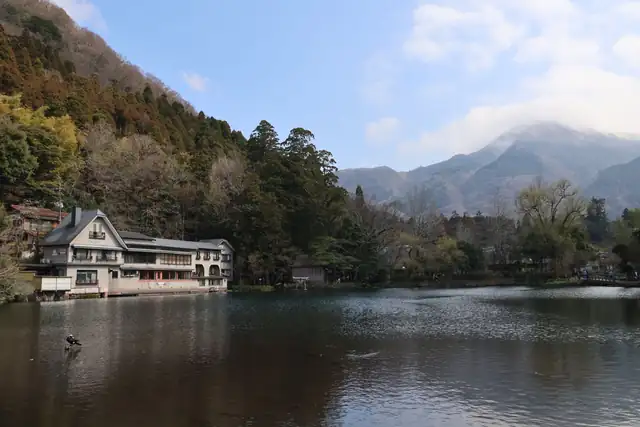
Board the JR Sonic Limited Express or Yufuin no Mori resort train from Hakata Station to reach the world-class geothermal valleys of Oita in two hours. Explore the bubbling, colorful mineral "Hells of Beppu" (Jigoku Meguri) or soak in the refined, misty mountain onsen ryokans surrounding Lake Kinrin in Yufuin.
3. Arita & Imari Porcelain Kilns
Ninety minutes southwest by train sits the cradle of Japanese porcelain. In 1616, Korean potter Yi Sam-pyeong discovered rich deposits of kaolin clay on Mount Izumi in Arita, launching four hundred years of world-renowned blue-and-white and polychrome enameled ceramics exported across Europe.
Best Seasons to Visit Fukuoka
- Spring (Late March to Mid-April): Spectacular cherry blossom bloom across Maizuru Park, Nishi Park (one of Japan's top 100 sakura spots), and the grounds of Dazaifu. Temperatures are mild and comfortable, averaging 15°C to 19°C (59°F–66°F).
- July 1–15 (Hakata Gion Yamakasa): One of Japan’s most thrilling historical festivals, dating back over 770 years. Teams of local men wearing traditional loincloths (shimekomi) carry one-ton wooden floats (kakiyama) sprinting through the streets of Hakata in an intense five-kilometer time trial, culminating at dawn on July 15 (Oiyama) amid roaring crowds splashing cooling water over the runners.
- Autumn (October to Late November): The most comfortable time for coastal driving and sightseeing. Clear skies, crisp temperatures (16°C–21°C / 61°F–70°F), and stunning foliage across the moss gardens of Kōmyōzen-ji and the mountain trails of Mount Hōman. The winter oyster huts in Itoshima officially open their doors in late October.
- Winter (December to February): Cool, breezy, and coastal, with daytime temperatures averaging 6°C to 12°C (43°F–54°F). Winter is the premier season to experience steaming bowls of Hakata Tonkotsu Ramen, simmering Motsunabe, and rich winter seafood along the lantern-lit waterfronts.


 長崎
 熊本
 大分
 鹿児島
 宮崎
 佐賀