

On this page
Shiga Travel Guide: Japan's Mother Lake, Original Samurai Keeps & Merchant Canals
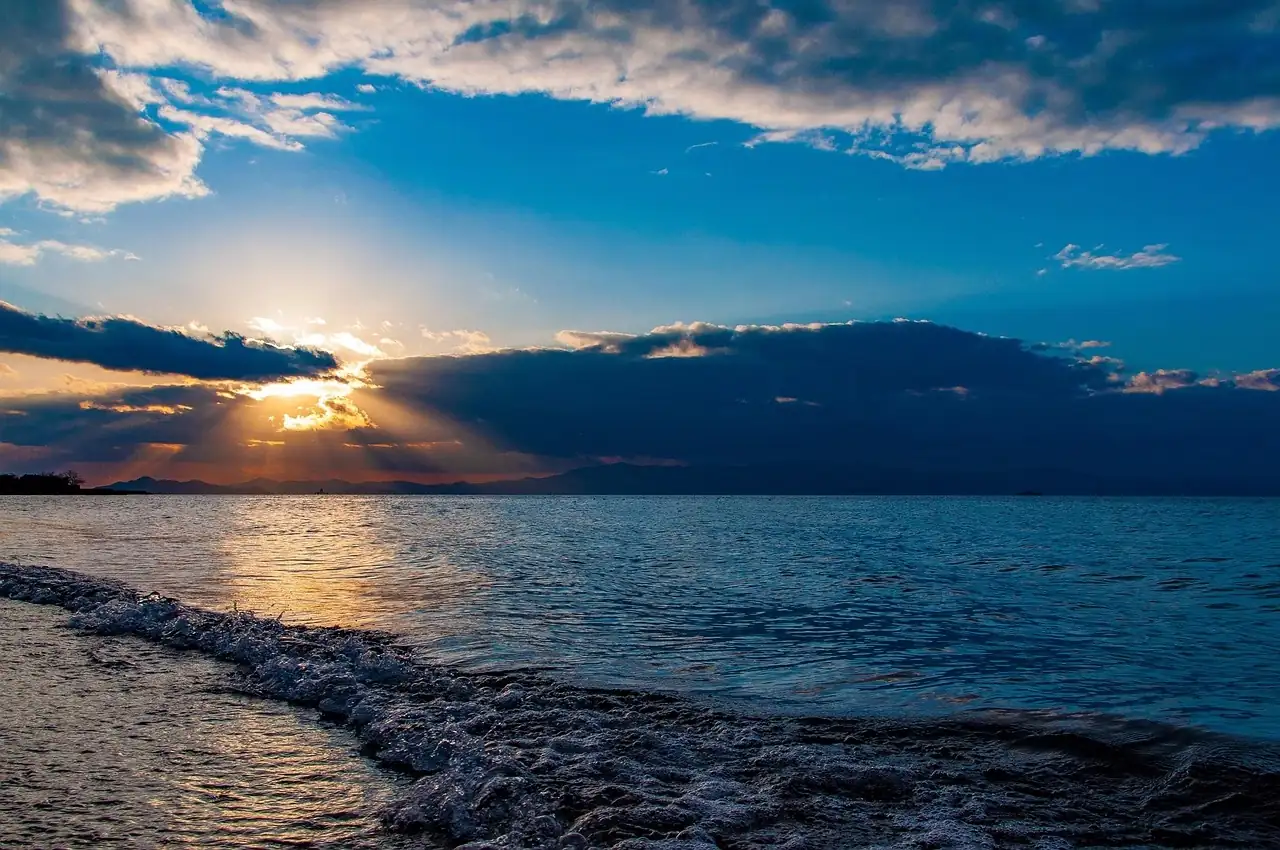
Forming the geographic and hydrological heart of the Kansai region immediately east of Kyoto, Shiga Prefecture (滋賀県) is defined by its colossal centerpiece: Lake Biwa (Biwako). Covering one-sixth of the entire prefecture’s landmass, Lake Biwa is not only Japan’s largest freshwater body but also one of the oldest ancient lakes on earth, formed roughly four million years ago. Its pristine waters sustain over one thousand endemic plant and animal species and supply drinking and industrial water to roughly fourteen million residents across the entire Kansai megalopolis, earning it the enduring title of Inochi no Mizu—the "Water of Life."
Historically designated as Ōmi Province, Shiga served as the supreme strategic gateway to the imperial capital of Kyoto. Control of Lake Biwa’s waterways and overland checkpoints along the historic Tokaido and Nakasendo highways dictated the rise and fall of national samurai hegemony—from Oda Nobunaga’s legendary Azuchi Castle to the decisive clashes of the Sengoku (Warring States) period. This strategic crossroads also bred the influential Ōmi Shōnin (Ōmi Merchants), whose pioneering ethical trading philosophy—Sanpō-yoshi ("Good for the seller, good for the buyer, good for society")—laid the cornerstone of modern Japanese corporate ethics. Today, Shiga offers an extraordinary counterpoint to Kyoto’s dense tourist corridors: from the authentic seventeenth-century timber battlements of Hikone Castle and the sacred Tendai Buddhist head monastery atop Mount Hiei (Enryaku-ji) to the preserved willow-lined canals of Omihachiman and the ancient ceramic kilns of Shigaraki. Positioned just ten minutes from Kyoto Station via JR rapid transit, Shiga is an essential, easily explored cultural landscape.
Navigating Shiga Prefecture: Core Geographic Sectors
Because Lake Biwa sits squarely in the center of the prefecture, transit and cultural identities are divided cleanly into four distinct lake-facing quadrants (Koto, Konan, Kosei, and Kohoku):
| Sector | Primary Station Hubs | Landscape & Atmosphere | Key Highlights |
|---|---|---|---|
| Koto & Central Lakeshore (East) | JR Hikone / Omihachiman / Maibara | Original feudal keeps, willow-lined merchant water canals, thatch-roof sweets villages, Tokaido Shinkansen junction. | Hikone Castle (National Treasure), Genkyū-en Garden, Hachiman-bori Canal, La Collina Omihachiman, Azuchi Castle ruins. |
| Konan & Southern Basin (South) | JR Otsu / Ishiyama / Kusatsu | Prefectural lakeside capital, massive sacred temple compounds, historic highway post-town junctions, clay pottery hills. | Ishiyama-dera (Tale of Genji), Mii-dera, Kusatsu-juku post town, Shigaraki Ceramic Cultural Park, Lake Biwa cruise piers. |
| Kosei & Mount Hiei (West) | Otsukyo / Omi-Maiko / Omi-Takashima | Dense sacred mountain forests, floating water torii gates, white sand freshwater swimming beaches, rural spring channels. | Enryaku-ji (Mount Hiei), Shirahige Shrine ("floating torii"), Omi-Maiko Beach, Harie water-purification village (Kabata). |
| Kohoku & Deep North (North) | JR Nagahama / Omi-Imazu | Historic black-timber merchant glass quarters, sacred island shrines, panoramic lake headlands, ancient bronze Kannons. | Nagahama Kurokabe Square, Chikubushima Island (Hōgon-ji), Kaizu-Osaki cherry cliffs, Mount Shizugatake. |
Top Things to Do Across Shiga
1. Scale the National Treasure Battlements of Hikone Castle
Constructed between 1603 and 1622 by the Ii samurai clan under the orders of the Tokugawa Shogunate, Hikone Castle (Hikone-jō) is an architectural and historical marvel. It is one of only five castle keeps in all of Japan designated as a National Treasure (alongside Himeji, Matsumoto, Inuyama, and Matsue), and has survived four centuries completely intact without wartime destruction or catastrophic fire.
Positioned high on Mount Konki overlooking the waters of Lake Biwa, the castle was engineered as an impenetrable defensive fortress. Visitors cross the Rōbashi wooden footbridge—engineered to be destroyed instantly in the event of a siege—and ascend winding stone ramps with irregular risers designed to break an attacking army's charging rhythm. The compact three-story wooden keep features striking curved karahafu gables, gunports (teppo-zama), and internal wooden staircases pitched at extreme sixty-degree angles. Standing at the top floor rewards climbers with panoramic vistas across the rooftops of Hikone to the waters of Lake Biwa.
At the base of the castle hill lies Genkyū-en, a magnificent seventeenth-century daimyo stroll garden modeled after the Tang Dynasty imperial palace gardens of China. Four tranquil ponds reflect the castle keep perched on the bluffs above. Step inside the Hōshō-dai teahouse resting over the water to enjoy freshly whisked matcha and local sweets while gazing across the carp ponds.
2. Step Inside the Monastic Cradle: Enryaku-ji on Mount Hiei
Straddling the forested mountain ridge between Shiga and Kyoto, Mount Hiei (Hieizan) has stood as the supreme monastic citadel of Japanese Buddhism for over 1,200 years. Founded in 788 AD by the monk Saichō, the sprawling complex of Enryaku-ji is the global headquarters of the Tendai Buddhist sect. Over centuries, it functioned as the "Mother of Japanese Buddhism," serving as the foundational training academy that birthed nearly every major Buddhist reformer in Japanese history—including Hōnen (Pure Land), Shinran (True Pure Land), Dōgen (Sōtō Zen), Eisai (Rinzai Zen), and Nichiren.
Designated a UNESCO World Heritage site, Enryaku-ji is divided into three vast forested precincts linked by mountain trails and buses: Tōdō (East Area), Saitō (West Area), and Yokawa. The spiritual heart of the mountain is the monumental wooden Konpon Chūdō (Main Sanctuary) in the Tōdō precinct. Inside the dim, incense-scented hall burn the Fumetsu no Hōtō (The Inextinguishable Dharma Lamps)—three oil-burning brass lanterns that have burned continuously without ever being extinguished for more than 1,200 years.
Access note: Reaching Mount Hiei from Shiga is an experience in itself via the Sakamoto Cable Car—the longest funicular railway line in Japan (2,025 meters)—which glides through cedar-lined mountain slopes to panoramic observation decks looking across Lake Biwa.
3. Drift the Merchant Waterways of Omihachiman (Hachiman-bori)
Established in 1585 by warlord Toyotomi Hidetsugu (nephew of Hideyoshi), Omihachiman was engineered as a thriving merchant castle town centered around an artificial six-kilometer defensive water canal: the Hachiman-bori. Hidetsugu issued an innovative decree granting the canal free passage to all cargo vessels traveling along Lake Biwa, drawing merchants and artisans from across the region and transforming the town into the wealthy commercial birthplace of the Ōmi Merchants.
Today, the canal is meticulously preserved, lined with weeping willows, stone-paved wharves, and weathered white-and-black plastered storehouses (kura). Visitors can stroll the stone pathways or board traditional wooden flat-bottomed punting boats (Hachiman-bori Meguri) navigated by boatmen using long bamboo poles through serene watercourses that frequently serve as filming backdrops for historical samurai television dramas. Just a short walk away sits the Shinmachi Historical Preservation District, showcasing grand two-story merchant residences featuring fine wooden lattice windows (kōshi) and protective earthen walls.
4. Experience Fairytale Architecture at La Collina Omihachiman
Nestled against the wooded foothills of Mount Hachiman, La Collina Omihachiman is the flagship retail and cultural estate of Taneya, a legendary confectionery company founded in Shiga in 1872. Designed by visionary architect and architectural historian Terunobu Fujimori, the main building is a whimsical, fairytale structure featuring a colossal sloping roof entirely blanketed in living green turf grass, supported by raw, unpeeled chestnut-tree pillars.
Inside, the open-concept atrium is centered on open bakeries where visitors can watch master pastry chefs bake Taneya’s signature Club Harie Baumkuchen—multi-layered German spit-cakes roasted on rotating spindles over open flame, renowned across Japan for their pillowy, melt-in-the-mouth texture. The surrounding pastoral grounds incorporate working organic paddy fields, vegetable gardens, and rounded earthen buildings resembling hobbit dwellings, celebrating ecological coexistence between agriculture, architecture, and food.
5. Photograph the Floating Torii Gate at Shirahige Shrine
Positioned along the northwestern shore of Lake Biwa in Takashima, Shirahige Shrine (Shirahige Jinja) is documented as the oldest Shinto shrine in Ōmi Province, founded roughly two thousand years ago. Dedicated to Sarutahiko no Mikoto, the Shinto deity of guidance, longevity, and navigation, the shrine is affectionately celebrated as the "Itsukushima of Omi."
Standing roughly fifty meters offshore directly inside the crystal-clear waters of Lake Biwa rises the shrine's iconic vermilion wooden Oki-no-Torii (Floating Torii Gate). Gaze out from the lakeside observation platform (Aien-kaku) at dawn: the sun rises directly behind the floating torii gate over the distant peaks of Mount Hira and the island of Chikubushima, reflecting brilliant crimson and gold rays across the water.
6. Cross to the Island of the Gods: Chikubushima
Jutting steeply out of the northern waters of Lake Biwa two kilometers offshore from Nagahama, Chikubushima is an uninhabited, granitic island venerated since antiquity as a sacred spiritual sanctuary. Covered in dense bamboo and pine groves, the island is the home of Hōgon-ji Temple and Tsukubusuma Shrine, dedicated to Benzaiten (goddess of music, water, and wealth), ranked alongside Enoshima in Kanagawa and Itsukushima in Hiroshima as one of Japan's Three Great Benzaiten Shrines.
Arriving via passenger ferry from Nagahama or Imazu ports, visitors ascend 165 steep stone steps to explore the Karamon Gate—a magnificent, elaborately carved timber gate transferred from Toyotomi Hideyoshi’s sixteenth-century Fushimi Castle, designated a National Treasure. Cross the covered wooden Funarōka (Boat Corridor), built using salvaged timber timbers from Hideyoshi’s private royal flagship Nihonmaru, and participate in Kawarake-nage: purchase two small unglazed clay discs, write your wish on one and your name on the other, and throw them off a sheer ocean cliff aiming to pass directly through a floating stone torii gate set above the crashing waves.
7. Trace the Tale of Genji at Ishiyama-dera
Perched along the banks of the Seta River in southern Otsu, Ishiyama-dera was founded in 747 AD by the monk Rōben under imperial edict. The temple sits atop a dramatic, jagged geological outcrop of natural wollastonite rock (a designated National Natural Monument), which gives the temple its name ("Stony Mountain Temple").
Ishiyama-dera holds an esteemed place in classical world literature: it was here in August 1004, while cloistered in prayer gazing at the full harvest moon reflected across Lake Biwa, that female courtier Murasaki Shikibu was struck with inspiration to begin writing The Tale of Genji (Genji Monogatari), universally recognized as the world's very first novel. Visitors can inspect the Genji Room containing a lifelike figure of Lady Murasaki sitting at her writing desk, before climbing through peaceful bamboo pathways to view the two-story wooden Tahōtō Pagoda (constructed in 1194 by Minamoto no Yoritomo, standing as the oldest pagoda of its style in Japan).
Shiga Food Culture: Prized Ōmi Wagyu, Funazushi & Red Tofu
Shiga's culinary tradition is one of the most historic and distinctive in Japan, shaped by Lake Biwa’s unique freshwater ecosystem and centuries of commercial trading:
- Ōmi Beef (Ōmi-gyū): Celebrating an official history spanning over four hundred years, Ōmi Beef is documented as the oldest wagyu brand in Japan, celebrated alongside Kobe and Matsusaka as one of the Three Great Wagyu Beefs of Japan. In the Edo period, long before beef consumption was legalized nationwide, the Ii lords of Hikone produced cured Ōmi beef pickled in dark miso, gifting it annually to the Tokugawa Shogun in Edo under the guise of medicinal tonic (yakujiki). Derived strictly from purebred Japanese Black cattle raised on clean Lake Biwa runoff and local rice straw, Ōmi beef features remarkably fine-grained intramuscular marbling, yielding a low fat melting point (approx. 24°C / 75°F). Savor it seared over tabletop charcoal griddles, simmered in traditional Sukiyaki at historic dining houses like Matsukiya, or enjoyed as melt-in-your-mouth nigiri sushi in the alleys of Omihachiman.
- Funazushi (The Ancestor of Modern Sushi): The ultimate traditional gastronomic challenge and a culinary living relic. Funazushi is an ancient form of Narezushi (lacto-fermented fish) that represents the historical ancestor of all modern sushi, dating back over one thousand years. Female round crucian carp (Nigorobuna)—an endemic wild fish found only in Lake Biwa—are harvested in spring packed with roe, gutted, packed in salt for several months, and then layered tightly into wooden vats with cooked white rice to undergo wild anaerobic lactic-acid fermentation for up to two years. When the vats are opened, the rice dissolves into a pungent cream, and the fish is sliced paper-thin. It delivers an intensely sharp, sour, fermented aroma and a deep, complex, savory salinity resembling fine aged blue cheese or pungent European washed-rind cheeses. Locals enjoy it with cold junmai sake or poured over with hot green tea as comforting Ochazuke.
- Aka-konnyaku (Red Konjac): A vibrant, unique staple of Omihachiman. Unlike standard grey or mottled konjac jelly, Aka-konnyaku is dyed a brilliant, fiery brick-red through the addition of ferric oxide (iron). Folklore credits its creation to the flamboyant Sengoku warlord Oda Nobunaga, who commanded local merchants to make their humble konjac as flashy as his own red battle robes. The iron-rich konjac has a firmer, meatier chew and neutral flavor, simmered into stews or skewered with miso glazes.
- Biwako Freshwater Catches: Lake Biwa is home to dozens of unique freshwater delicacies netted by multi-generational fishing cooperatives:
- Ayu (Sweetfish): Baby sweetfish (Ko-ayu) are simmered whole with sweet soy sauce and sanshō peppercorns into fragrant Tsukudani, or salt-grilled over charcoal.
- Biwa Trout (Biwa-masu): An endemic salmonid species that lives exclusively in deep, cold lake trenches. Possesses clean, sweet pink meat rich in healthy oils, eaten raw as sashimi.
- Kamo Nabe (Wild Duck Hot Pot): A cherished winter soul food of the northern Kohoku region. Tender slices of wild mallard duck (Magamo) are simmered in an iron clay pot with sweet leeks, tofu, and local greens in a rich, sweet dashi-soy broth, developing an earthy, deep gaminess that warms travelers through snowy winter evenings.
Transportation: Regional Rail Lines & Lake Cycling
Shiga is exceptionally well-connected to Kyoto, Osaka, and Nagoya via high-speed bullet trains and dense JR West commuter rail lines:
- Kyoto to Otsu & Hikone via JR Biwako Line:
- To Otsu City: The JR Biwako Line (Special Rapid / Shin-Kaisoku) races from JR Kyoto Station to JR Otsu Station in just 9 minutes (and to Shin-Osaka in 39 minutes).
- To Omihachiman & Hikone: The same Special Rapid trains reach JR Omihachiman in 32 minutes and JR Hikone in 47 minutes from Kyoto Station without requiring any train transfers. (Fully covered by the nationwide JR Rail Pass and JR West Kansai Area Pass).
- Tokaido Shinkansen (Bullet Train Junction):
- JR Maibara Station in eastern Shiga is a primary Tokaido Shinkansen bullet train stop, linking Shiga directly to Nagoya in 25 minutes and Tokyo in roughly 2 hours and 15 minutes via Hikari and Kodama services.
- The Kosei Line (Western Shore):
- The JR Kosei Line departs Kyoto Station, running northward along the rugged western shore of Lake Biwa beneath Mount Hira, connecting to Omi-Maiko Beach and Omi-Takashima (for Shirahige Shrine).
- Biwaichi (Lake Biwa Cycling Circuit):
- For outdoor enthusiasts, the Biwaichi is an officially designated National Cycle Route covering roughly two hundred kilometers wrapping the complete circumference of Lake Biwa. Dedicated bike rental depots (including advanced road bikes and e-bikes) are stationed at JR Maibara, Otsu, and Hikone stations, allowing cyclists to complete the loop across two to three days.
- Digital Transit Cards (IC Cards): All JR West lines, the Keihan Ishiyama-Sakamoto local tramway, and Omi Railway lines accept digital Suica, Pasmo, and ICOCA cards loaded on smartphones. Simply tap your phone across the ticket barriers.
Where to Stay in Shiga: Strategic Base Camps
| Base Hub | Vibe & Atmosphere | Transit Connections | Accommodation Strategy |
|---|---|---|---|
| Otsu Core (Lakeside & Station) | Lakeside resort tranquility, scenic boat piers, direct 9-minute rail jump into central Kyoto. | JR Biwako Line; Keihan Railway; Lake Biwa passenger cruise piers. | Large-scale lakefront resort towers (such as Biwako Hotel and Lake Biwa Otsu Prince Hotel), clean station-front business hotels; excellent lower-cost alternative to expensive Kyoto lodging. |
| Hikone Castle Core | Historic feudal castle atmosphere, walkable samurai streets, authentic izakayas. | JR Biwako Line; Omi Railway. | Modern Japanese business hotels (including central APAs), traditional castle-view ryokans, boutique guesthouses. |
| Omihachiman | Timeless merchant town nostalgia, lantern-lit willow canals, peaceful evening quiet. | JR Biwako Line (32 mins from Kyoto). | Restored historic merchant townhouse (machiya) hotels, boutique canal inns, family-run minshuku. |
| Ogoto Onsen (Western Shore) | Ancient geothermal retreat along the lake shore, founded by Saichō, peaceful mountain vistas. | JR Kosei Line (Ogoto-Onsen Station, 20 mins from Kyoto). | High-end lakeside hot spring (onsen) ryokans featuring private open-air mineral baths looking out across Lake Biwa and multi-course Ōmi beef kaiseki dining. |
Regional Day Trips Across Shiga Prefecture
1. Shigaraki Ceramic Village (Shigaraki-yaki)
Tucked into the pine-covered southern mountain valleys of Shiga, Shigaraki is one of Japan's celebrated "Six Ancient Kilns" (Rokkoyo), producing ceramics continuously since the eighth century. Shigaraki clay is coarse, sandy, and highly heat-resistant, traditionally fired in massive wood-burning climbing kilns (noborigama). The town is world-famous as the home of Tanuki (Japanese Raccoon Dog) ceramic statues: thousands of whimsical, round-bellied tanuki statues wearing straw hats and clutching sake jugs stand outside shops and ateliers along the streets.
Visit the Shigaraki Ceramic Cultural Park to explore contemporary ceramic art museums, and journey down the forested road to the MIHO Museum—an architectural triumph designed by I.M. Pei. Approached via a pedestrian tunnel carved through a mountain and a suspension bridge across a deep ravine, the museum houses a world-class collection of ancient silk road and Asian antiquities beneath sweeping glass-and-limestone pavilions.
2. Nagahama: Kurokabe Square & Glassmaking Heritage
Located on the northeast shore of Lake Biwa, Nagahama was originally developed as a castle town by Toyotomi Hideyoshi in 1573. Today, the town's historical center is preserved as Kurokabe Square (Black Wall Square), centered around the Kurokabe Glass Shop—a grand 1900 bank building constructed with black-tinted plaster walls. The surrounding pedestrian streets are lined with dozens of contemporary glass workshops, galleries, and craft studios where visitors can blow their own glass cups, browse intricate jewelry, and sample black sesame soft-serve ice cream.
3. Harie: The Living Water Purification Village (Kabata)
Situated in the quiet farming town of Shin-Asahi on the western shore of Lake Biwa, Harie is a living testament to ecological coexistence. The village is fed by crystal-clear underground natural spring water (Shōzu) that bubbles up inside private residential courtyards through centuries-old water systems called Kabata.
Each household maintains a three-tiered wooden water basin: the highest basin receives pure spring water for drinking and washing vegetables; the middle basin cools food; and the lowest basin is stocked with live carp (koi), which naturally eat leftover food scraps, cleansing the water before it flows out into community canals and enters Lake Biwa. Visitors can take guided eco-tours led by local residents to inspect this self-sustaining, zero-waste water culture.
Best Seasons to Visit Shiga
- Spring (Early to Mid-April): A magnificent season of cherry blossoms. Somei-yoshino trees frame the dry stone ramparts of Hikone Castle, blanket the canal banks of Omihachiman, and burst into bloom along the monumental rock cliffs of Kaizu-Osaki on the northern tip of Lake Biwa—where four thousand cherry trees create a continuous four-kilometer tunnel of pink along the lake shoreline. Sightseeing weather is mild and comfortable, averaging 14°C to 19°C (57°F–66°F).
- Autumn (Late October to Late November): The premier season for temple foliage and crisp walking weather. The ancient mountain cedar forests surrounding Enryaku-ji on Mount Hiei, the maple gardens of Hiyoshi Taisha in Sakamoto, and the river walks of Ishiyama-dera explode in vibrant shades of scarlet, gold, and amber. Crisp, sunny skies make cycling the lake perimeter and touring castle grounds exceptionally pleasant.
- Summer (July to August): Lively, warm, and water-centric, with temperatures averaging 30°C to 33°C (86°F–91°F). The freshwater sands of Omi-Maiko Beach buzz with swimmers, windsurfers, and lakeside barbecues. In early August, the sky above the southern lake illuminates during the Lake Biwa Great Fireworks Festival (Biwako Dai-Hanabi Taikai), where ten thousand fireworks launch over the water, reflecting colors across the bay.
- Winter (December to February): Quiet, serene, and atmospheric. While the southern shores around Otsu remain mild and crisp (averaging 3°C to 9°C / 37°F–48°F), the northern mountains of Kohoku receive substantial snowfall from Sea of Japan weather systems. Snow blankets the black keeps of Hikone Castle and the temples of Mount Hiei, and winter is the definitive season to savor bubbling iron pots of Kamo Nabe (wild duck stew) and rich Ōmi beef sukiyaki.


 京都
京都 大阪
大阪 奈良
奈良 兵庫
兵庫 三重
三重 和歌山
和歌山