

On this page
Kanagawa Travel Guide: Pacific Coastlines, Ancient Samurai Seats & Alpine Springs
Positioned immediately south of Tokyo along the Pacific coastline of Sagami Bay and Tokyo Bay, Kanagawa Prefecture (神奈川県) packs one of the most culturally diverse geographic corridors in Japan into a compact footprint. Despite being the second most populous prefecture in the country—anchored by the gleaming, cosmopolitan harbor metropolis of Yokohama—Kanagawa shifts rapidly from hyper-modern bayside skylines into ancient coastal mountain capitals, retro surf beaches, and steaming geothermal volcanic calderas.
Historically, Kanagawa served as the cradle of Japan’s medieval feudal era. In 1192, warrior Minamoto no Yoritomo bypassed the imperial court in Kyoto to establish the nation’s very first samurai military government (the Kamakura Shogunate) among the natural fortress hills of Kamakura. Centuries later, in 1859, the opening of Yokohama’s port shattered over two centuries of national isolation (sakoku), turning the region into Japan’s primary gateway for Western technology, international diplomacy, and modern culinary culture. Whether walking between thirteenth-century Zen monasteries, riding vintage coastal electric railways along the Shonan surf coast, or soaking in open-air hot springs facing Mount Fuji in Hakone, Kanagawa is an essential, easily accessible region for every traveler.
Navigating Kanagawa: Key Geographic Sectors
Kanagawa functions as a natural westward corridor branching off from southern Tokyo. The prefecture breaks down into four well-defined travel circuits:
| Sector | Primary Station Hubs | Atmosphere & Character | Key Highlights |
|---|---|---|---|
| Yokohama Urban Core | Yokohama / Sakuragicho / Kannai | Cosmopolitan harbor city, historic foreign treaty port architecture, towering modern bayside skylines, Japan’s largest Chinatown. | Minato Mirai 21, Yokohama Chinatown, Red Brick Warehouses, Sankeien Garden, Cup Noodles Museum. |
| Kamakura & Shonan Coast | JR Kamakura / Enoshima / Fujisawa | Medieval samurai capital, forested Zen temples, monumental bronze Buddha, Pacific surf beaches, vintage electric tram. | Kōtoku-in (Great Buddha), Tsurugaoka Hachimangū, Hase-dera, Enoshima Island, Enoden coastal railway. |
| Hakone & Odawara Foothills | Hakone-Yumoto / Odawara | Feudal gateway castle town, geothermal volcanic calderas, historic hot spring (onsen) villages, Mount Fuji views. | Owakudani volcanic valley, Lake Ashi, Hakone Open-Air Museum, Hakone Shrine torii, Odawara Castle. |
| Miura Peninsula & Yokosuka | Yokosuka-Chuo / Misakiguchi | Naval fleet harbors, deep-sea tuna fishing wharves, dramatic rugged Pacific sea cliffs, coastal walking trails. | Mikasa Naval Battleship Park, Misaki Tuna Port, Jogashima Island, Sarushima (Monkey Island). |
Top Things to Do Across Kanagawa
1. Explore Japan’s Medieval Samurai Capital: Kamakura
Tucked between protective forested ridges and the crashing Pacific surf of Sagami Bay, Kamakura served as the de facto capital of Japan from 1185 to 1333. Often celebrated as the "Kyoto of Eastern Japan," the town is anchored by profound spiritual landmarks:
- The Great Buddha of Kamakura (Kōtoku-in Daibutsu): Cast in bronze in 1252, this monumental eleven-meter open-air Buddha statue weighs approximately 121 metric tons. Originally housed inside a massive wooden temple hall, the building was swept away by a colossal Pacific tsunami in 1498; since then, the Amida Buddha has sat serenely under the open sky. Visitors can pay a nominal ¥50 fee to step directly inside the hollow bronze interior of the statue to inspect medieval casting techniques.
- Hase-dera: Perched on the lush western hillsides overlooking the ocean, this temple is dedicated to an extraordinary 9.18-meter-tall wooden statue of the eleven-headed Kannon (goddess of mercy), carved from a single camphor tree trunk and gilded in gold leaf. The sloping gardens feature hundreds of small stone Jizō statues, winding hydrangea paths that bloom in June, and an observation terrace offering views across Yuigahama beach.
- Tsurugaoka Hachimangū: Kamakura’s most important Shinto shrine, founded by Minamoto no Yoritomo in 1180 to honor the tutelary god of the samurai. The shrine is approached via the Dankazura, an elevated cherry-tree-lined pedestrian boulevard extending through the center of town. In autumn, the shrine stages thrilling demonstrations of Yabusame (traditional mounted samurai archery).
- Hōkoku-ji (The Bamboo Temple): Situated in the quiet eastern valleys of Kamakura, this Rinzai Zen temple is hidden behind a dense grove of over two thousand towering moso bamboo stalks. Walk the gravel paths and take a seat inside the rustic open-air teahouse to sip freshly whisked matcha while listening to wind rattle the bamboo canopy.
2. Ride the Vintage Enoden Coastal Railway to Enoshima
The Enoshima Electric Railway (Enoden) is one of Japan’s most nostalgic rail journeys. Operating vintage green-and-cream rolling stock, the single-track line squeezes tightly between residential gardens and wooden fences before bursting onto the open Pacific shoreline, running directly parallel to the surf breaks of Shichirigahama. Stop at Kamakurakōkōmae Station—famous worldwide from the anime Slam Dunk—to watch trains pass the ocean-facing railroad crossing.
Cross the 389-meter pedestrian bridge to Enoshima, a sacred offshore shrine island linked to dragon mythology. Climb the winding market alleys to explore Enoshima Shrine, wander through the botanical Samuel Cocking Garden, ascend the Sea Candle observation tower, and descend coastal paths to the wave-carved Iwaya Caves at the island’s southern cliffs.
3. Immerse in Maritime Innovation & Skyline Views: Yokohama
Just thirty minutes south of central Tokyo, Yokohama offers wide oceanfront promenades and historic trade architecture:
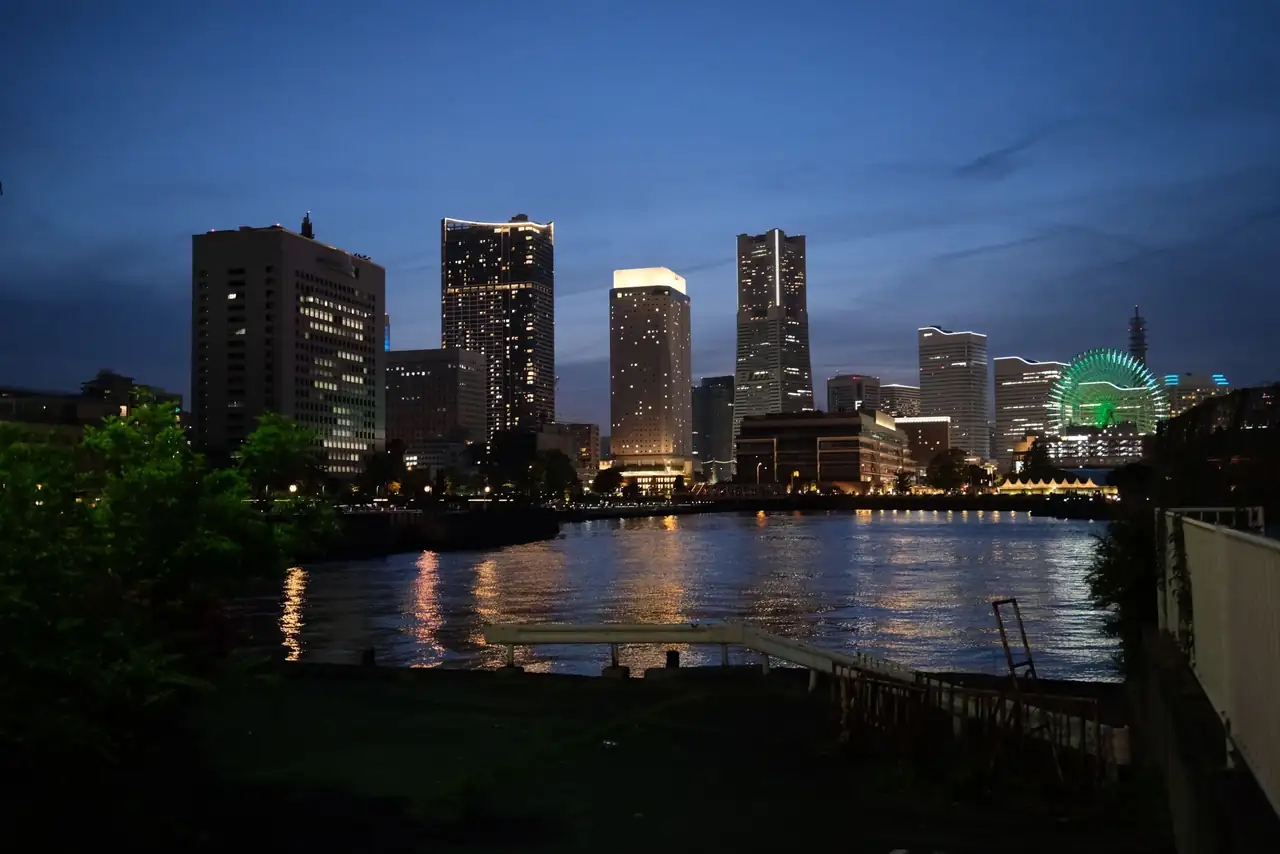
- Minato Mirai 21: A futuristic bayside master plan featuring the 296-meter Yokohama Landmark Tower, the Pacifico convention center, and the Cosmo Clock 21 Ferris wheel. For aerial transit, ride the Yokohama Air Cabin, an urban ropeway carrying passengers from Sakuragicho Station directly over the bay canals to the entertainment core.
- Yokohama Red Brick Warehouses (Akarenga Sōko): Two historic early-20th-century customs warehouses with exposed brick interiors, now housing independent craft shops, glasswork studios, and waterfront restaurants.
- Yokohama Chinatown (Chūkagai): Japan’s largest Chinatown, established in 1859. Entering through four grand, colorful paifang gates reveals over five hundred restaurants, herbal pharmacies, and food stalls serving steamed soup dumplings (xiao long bao), roasted chestnuts, and sesame seed balls.
- Sankeien Garden: A magnificent 175,000-square-meter traditional Japanese stroll garden built by silk merchant Hara Sankei in 1906. The park grounds incorporate seventeen historic architectural structures relocated from Kyoto, Kamakura, and Gifu, including a 1457 three-story pagoda and authentic samurai residences.
- Cup Noodles Museum: An interactive, hands-on museum honoring Momofuku Ando, inventor of instant ramen. Guests can design their own custom cup and select personalized soup broths and freeze-dried toppings at the "My CUPNOODLES Factory."
4. Circuit the Hot Springs and Volcanic Gorges of Hakone
Set within the Fuji-Hakone-Izu National Park, Hakone is Japan's most famous alpine hot spring enclave. Travelers navigate the region via the classic "Hakone Loop":
- Ascend mountain gorges on the Hakone Tozan Railway, a switchback mountain train engineered to navigate sharp alpine inclines.
- Transfer to the Hakone Ropeway, gliding high above Owakudani ("Great Boiling Valley"), an active volcanic crater emitting sulfuric fumes and steam vents. Here, purchase famous Kuro-tamago (black eggs boiled in mineral-rich volcanic spring waters; folklore claims eating one adds seven years to your life).
- Cruise across Lake Ashi (Ashinoko) aboard whimsical, multi-deck pirate ships, capturing panoramic views of Mount Fuji reflected across the water behind the iconic floating vermilion torii gate of Hakone Shrine standing offshore.
- Tour the Hakone Open-Air Museum, showcasing hundreds of large-scale sculptures by artists like Henry Moore and a dedicated Picasso Pavilion set against emerald mountain hillsides.
5. Scale the Samurai Ramparts of Odawara Castle
Historically the formidable fortress stronghold of the late Hōjō clan during the Sengoku (Warring States) period, Odawara Castle served as the gateway defense controlling the Tōkaidō coastal highway into the Edo plains. The faithfully reconstructed three-tiered, four-story main wooden keep houses extensive samurai weaponry, matchlock firearms, and armor, surrounded by deep defensive moats that burst with cherry blossoms in early spring.
Kanagawa Food Culture: Harbor Fusion, Shonan Catch & Deep-Sea Tuna
Because of its balance of deep ocean fisheries, volcanic mountain soils, and its historic role as an international treaty port, Kanagawa’s cuisine balances fresh coastal catches with early Western fusion comfort foods:
- Shirasu (Whitebait / Baby Anchovies): The definitive culinary staple of the Shonan coastline and Kamakura. Eaten fresh within hours of being pulled from Sagami Bay:
- Nama Shirasu: Raw, translucent baby anchovies served chilled over rice with grated ginger, scallions, and soy sauce (available only during the non-winter fishing season from April through November).
- Kama-age Shirasu: Lightly boiled in salt water until plump and snow-white, piled high over warm bowls of rice with raw egg yolks and nori.
- Yokohama Chinatown Dim Sum & Sanma-men: While travelers feast on pan-fried soup dumplings along Chūkagai’s main lanes, local chefs created Sanma-men—a comforting local ramen consisting of springy noodles in a light shoyu-dashi broth topped with a piping-hot, thick cornstarch slurry of stir-fried bean sprouts, cabbage, wood-ear mushrooms, and sliced pork.
- Yokosuka Navy Curry: Dating back to the Meiji era, the Imperial Japanese Navy adopted British curried stews to combat nutritional beriberi among sailors, thickening the stew with wheat flour and serving it over rice with a glass of milk and pickled relish. Today, certified restaurants across the naval port of Yokosuka strictly follow historic military naval recipe manuals.
- Misaki Maguro (Deep-Sea Tuna): At the southern tip of the Miura Peninsula, the port of Misaki is one of Japan’s primary deep-sea pelagic tuna distribution centers. Restaurants surrounding the wholesale fish auction houses specialize in every cut of Pacific Bluefin—from fatty otoro sashimi to grilled tuna collar (kama-yaki) and minced tuna bone scrapings (nakaochi).
- Hakone Yosegi-zaiku & Onsen Manjū: While soaking in hot spring towns like Hakone-Yumoto and Miyanoshita, snack on steamed Onsen Manjū—brown sugar sponge buns stuffed with sweet adzuki red bean paste, traditionally steamed over natural volcanic thermal vents. Pair this with viewing Yosegi-zaiku, Hakone’s intricate traditional wooden marquetry craft, where geometric patterns are created by laminating distinct native woods together.
Transportation: Regional Rail Passes & Efficient Circuits
Kanagawa enjoys some of the densest and most reliable private and JR rail connectivity in Japan, making day trips and overnight journeys effortless:
- Tokyo to Yokohama (25–30 minutes):
- JR Tokaido Line / JR Ueno-Tokyo Line: Direct from Tokyo Station to Yokohama Station in 25 minutes.
- JR Shonan-Shinjuku Line: Direct from Shinjuku and Shibuya to Yokohama in 30 minutes.
- Tokyu Toyoko Line: Budget-friendly private line connecting Shibuya directly through to Yokohama and Chinatown (Minatomirai Line).
- Tokyo to Kamakura (55 minutes): Board the JR Yokosuka Line from Tokyo Station or the JR Shonan-Shinjuku Line from Shinjuku directly to JR Kamakura Station without changing trains.
- Hakone Freepass (Odakyu Electric Railway): The definitive transit ticket for western Kanagawa. Departing from Shinjuku Station, the 2-day or 3-day pass includes return travel on the Odakyu Line plus unlimited rides on all eight local transit networks within Hakone (the Tozan switchback train, the cable car, the ropeway, the Lake Ashi pirate ships, and regional mountain buses). Traveler tip: Upgrade to the reserved-seat "Romancecar" limited express for panoramic front-window mountain views.
- Digital IC Transit Cards: All train lines, subways, vintage Enoden trams, and regional buses accept digital Suica and Pasmo loaded onto smartphone wallets. Tap your device across ticket turnstiles to navigate between competing operators seamlessly.
Where to Stay in Kanagawa: Base Camp Comparison
| Base Hub | Vibe & Atmosphere | Transit Connections | Accommodation Strategy |
|---|---|---|---|
| Yokohama (Minato Mirai / Station) | Cosmopolitan harbor buzz, broad oceanfront promenades, exceptional dining and night skylines. | Direct Shinkansen access (via Shin-Yokohama); fast lines to Tokyo, Haneda Airport, and Kamakura. | High-rise international luxury hotel towers, high-density Japanese business hotels (multiple central APAs), bayside suites. |
| Kamakura & Enoshima | Laid-back coastal surf town, quiet forested residential alleys, early-morning temple peace. | JR Yokosuka Line to Tokyo; vintage Enoden tram along the beach. | Charming historic ryokans, surf-vibe lifestyle guesthouses, boutique traditional townhomes. |
| Hakone (Yumoto, Gora & Sengokuhara) | Tranquil alpine retreat, thermal mineral waters, mountain mist, cedar forests. | Odakyu Romancecar from Shinjuku; Hakone Tozan mountain railway. | World-class hot spring ryokans (with private open-air hot spring baths and multi-course kaiseki banquets), design onsen resorts. |
| Odawara | Practical castle town base, local seafood markets, uncrowded streets. | Tokaido Shinkansen bullet train stop; gateway hub to Hakone. | Clean, cost-effective station-front business hotels; excellent budget alternative to expensive Hakone ryokans. |
Best Seasons to Visit Kanagawa
- Spring (Late March to Mid-April): The grounds of Kamakura’s Tsurugaoka Hachimangū, the outer moats of Odawara Castle, and the lawns of Sankeien Garden in Yokohama bloom with thousands of cherry trees. Weather is mild and crisp, averaging 15°C to 19°C (59°F–66°F).
- Early Summer (June): The celebrated Hydrangea Season (Ajisai). The temple hillsides of Kamakura (especially Hase-dera and Meigetsu-in) and the ravine slopes along the Hakone Tozan switchback railway burst into vivid shades of cobalt blue, violet, and soft pink, drawing photography enthusiasts from across Japan.
- Autumn (Late October to Late November): Perhaps the most comfortable time of year. Maple trees across the forested valleys of Hakone turn fiery crimson, framed against clear autumn views of Mount Fuji across Lake Ashi. Yokohama's waterfront hosts cool, breezy evening events and craft beer festivals.
- Winter (December to February): Cool, crisp, and sunny. While temperatures average 5°C to 12°C (41°F–54°F), winter brings the lowest humidity and clearest skies of the year—providing the highest probability of viewing Mount Fuji unobstructed from Enoshima's coast and Lake Ashi. Soaking in an open-air hot spring (rotenburo) in Hakone while breathing cold mountain air is the definitive winter experience.


 東京
東京 栃木
栃木 千葉
千葉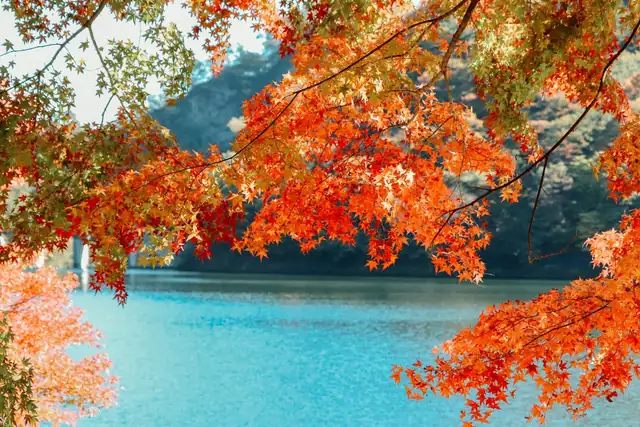 群馬
群馬 埼玉
埼玉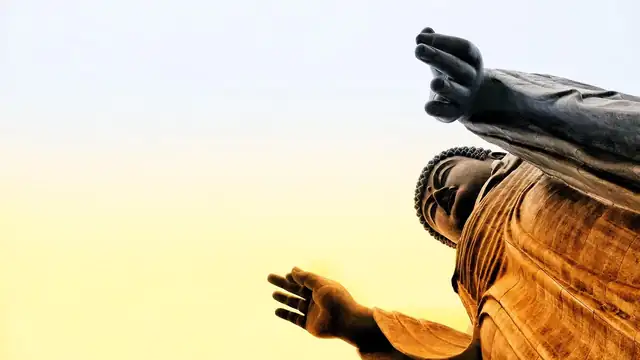 茨城
茨城