

On this page
- A Brief History
- Exploring Kyoto
- Kyoto Machiya
- Traditional Performing Arts, Theatre, and Geisha Culture
- Kyoto Food, Tea Culture, and Nightlife
- Hands-On Cultural Workshops
- Sightseeing Transport
- Shopping Districts and Traditional Markets
- Modern Kyoto
- Major Annual Festivals (Matsuri)
- Day Trips Around Kyoto Prefecture and Beyond
Kyoto: Ancient Capital, Modern Living
For more than a thousand years—from 794 until the Meiji Restoration in 1869—Kyoto served as Japan’s imperial capital under the name Heian-kyō (“Capital of Peace and Tranquillity”). Endowed with an extraordinary architectural and cultural legacy, it remains the spiritual heart of Japan. The city preserves over two thousand Buddhist temples and Shinto shrines, seventeen UNESCO World Heritage monuments, secluded imperial retreats, and living traditions of classical performing arts and refined cuisine.
For many travelers, Kyoto evokes the classic dream of old Japan: narrow alleys of weathered timber townhouses, the sharp rhythmic clatter of wooden geta clogs echoing down stone-paved lanes, geisha gliding past in sweeping silks, and graceful multi-tiered pagodas framed against springtime cherry blossoms. First impressions, however, can be jarring. Exiting the modernist glass-and-steel expanse of Kyoto Station reveals a sprawling, neon-lit commercial basin that underwent aggressive postwar redevelopment. Yet beneath this modern exterior, stringent municipal preservation bylaws—including bans on garish rooftop billboards and strict building height caps—shield a city deeply committed to its heritage. Beyond the bustling intersections, Kyoto rewards travelers who step off the main thoroughfares and explore its quieter residential alleys, hidden stone courtyards, and centuries-old merchant quarters.
A Brief History: From Imperial Capital to Cultural Bastion
The Birth of Heian-kyō
Kyoto became Japan's seat of imperial power in the late eighth century when Emperor Kammu decided to relocate the court from nearby Nara. His initial attempt to establish a capital at Nagaoka, southwest of modern Kyoto, was quickly abandoned after a succession of untimely deaths and floods were interpreted as ill omens. In 794 AD, Kammu selected a broad river basin bounded by protective mountain ranges on three sides, christening the settlement Heian-kyō. Like Nara before it, the new capital was mapped out on a rigid, symmetrical grid modeled directly on Chang’an (modern-day Xi’an), the grand capital of China’s Tang Dynasty, organized along a grand north-south axis. By the end of the ninth century, Heian-kyō had expanded across the eastern hills and reached an estimated population of half a million. When imperial diplomatic missions to China were halted in 894 AD, the city turned inward, developing indigenous artistic, literary, and architectural forms that came to define classical Japanese culture.
Fires, Shoguns, and the Golden Age
The city's historical trajectory was turbulent. Conflagrations regularly leveled whole quarters, most notably in the late twelfth century. Yet two hundred years later, under the patronage of the Ashikaga shogunate, Kyoto experienced an astonishing cultural renaissance. It was during this period that Shogun Ashikaga Yoshimitsu constructed the lavish Golden Pavilion (Kinkaku-ji), later echoed by his grandson Yoshimasa’s Silver Pavilion (Ginkaku-ji). Great Zen monastic institutions flourished, and the aesthetic disciplines of the tea ceremony (chanoyu), flower arranging (ikebana), and rock gardening reached peak sophistication. Much of this architectural splendor was reduced to ash during the catastrophic Ōnin War (1467–1477), a protracted civil conflict between rival samurai factions that left the capital in ruins for over a century.
Hideyoshi's Rebuilding and the Momoyama Flourish
Kyoto’s revival came under the iron rule of warlord Toyotomi Hideyoshi, who unified the nation in the late sixteenth century. Hideyoshi launched an immense urban reconstruction program, erecting massive earthen ramparts (the odoi), redistributing temples into dedicated districts, and pouring fortunes into artistic patronage. This Momoyama era represented a high-water mark of ostentatious architectural and painterly display, best exemplified by the Kanō school of painters, whose gold-leaf screens and bold brushwork brought warmth and prestige to cavernous castle halls. Even after Tokugawa Ieyasu seized control in 1603 and moved the practical administrative military capital east to Edo (modern Tokyo), Kyoto retained its status as the official imperial seat and cultural capital.
Meiji Modernization to the Present
In 1869, following the Meiji Restoration, the young Emperor Meiji relocated his court permanently to Tokyo. Kyoto suffered an existential and economic crisis, but its leadership moved aggressively to modernize. In the 1890s, engineers built the Lake Biwa Canal, an ambitious infrastructure project that supplied the city with water, transport, and Japan’s very first commercial hydroelectric power grid, igniting local industry. Decades later, during World War II, Kyoto was placed on the initial target list for atomic attack. It was famously struck from the list by US Secretary of War Henry Stimson, who had visited the city on his honeymoon and appreciated its peerless cultural value. While wartime bombs spared the city, peacetime postwar redevelopment took a heavy toll, as thousands of traditional wooden townhouses were razed for parking lots and concrete apartment towers. In response, a modern preservation movement spearheaded by local craftspeople, architects, and younger residents is actively reclaiming this architectural heritage, converting historic wooden townhouses into thriving independent businesses.
Exploring Kyoto: Key Districts and Highlights
1. Eastern Kyoto: Higashiyama and Gion
Higashiyama is the quintessential starting point for any visit. The walk from Kiyomizu-dera north toward Ginkaku-ji packs a remarkable density of historic sites into a walkable route:
Kiyomizu-dera: Perched high on the wooded slopes of Mount Otowa, this ancient temple is celebrated for its cavernous main hall and massive wooden veranda, built entirely without nails using complex joinery. Below the main stage, visitors queue at the Otowa Waterfall to drink from three distinct streams of mountain water, said to grant health, educational success, or romance. The stone approaches—Ninenzaka and Sannenzaka—are lined with preserved wooden shopfronts selling traditional Kiyomizu-yaki ceramics, incense, and local snacks.
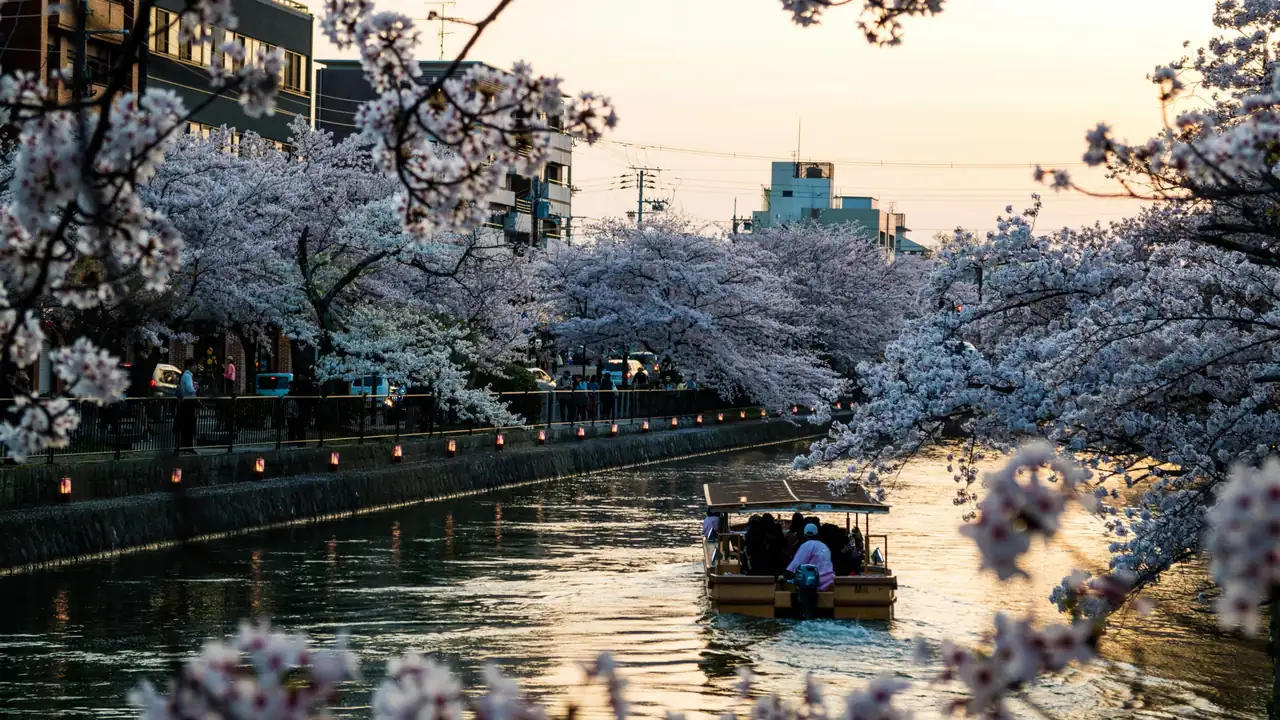
Gion: Kyoto’s most famous traditional entertainment district stretches between the Kamo River and Yasaka Shrine. Centered along Hanami-kōji street and the willow-lined Shirakawa Canal, Gion is lined with 17th-century ochaya (exclusive teahouses) where geiko and maiko entertain. Traveler note: Kyoto strictly enforces a photography ban in Gion’s private alleys, carrying an immediate ¥10,000 fine to curb visitor intrusion on working geiko.
Ginkaku-ji (The Silver Pavilion): Located at the northern terminus of the cherry-lined Philosopher’s Path (Tetsugaku-no-Michi), Ginkaku-ji was built by Shogun Ashikaga Yoshimasa as a quiet mountain retreat. Though never covered in silver leaf as originally conceived, the temple features the Kogetsudai (a raked conical sand mound representing Mount Fuji) and the Ginshadan (a sea of silver sand designed to reflect moonlight), alongside a hillside moss garden.
2. Northwest Kyoto: The Great Zen Enclaves
Kinkaku-ji (The Golden Pavilion): Perhaps Japan’s most recognizable religious landmark, this three-tiered pavilion overlooks the Kyōko-chi (Mirror Pond). The top two floors are completely sheathed in pure gold leaf, topped with a bronze Chinese phoenix. Originally the villa of Shogun Ashikaga Yoshimitsu, it was converted into a Rinzai Zen temple following his death in 1408.
Ryōan-ji: The foremost example of karesansui (dry landscape) rock gardening. Dating to the late fifteenth century and attributed to the master artist Sōami, the garden is a plain rectangular courtyard of raked white river gravel containing fifteen moss-ringed boulders arranged into five distinct clusters. The stones are positioned with such spatial precision that from any viewpoint on the viewing veranda, at least one stone remains hidden from sight. On the veranda’s rear side sits a stone water basin (tsukubai) bearing a famous four-character inscription: Ware tada taru o shiru (“I learn only to be contented”). Beyond the Zen dry garden, take time to walk around the tranquil 12th-century pond garden in the outer grounds.
Daitoku-ji: A sprawling, self-contained walled city of Zen temples covering over twenty hectares. While the central monastic complex is generally closed to casual visitors, several notable sub-temples—including Daisen-in, famed for its metaphorical gravel river garden, and Ryōgen-in, housing the smallest rock garden in Japan—remain open to the public daily.
3. Central Kyoto: Castles, Palaces, and Ninja Defenses
Nijō Castle (Nijō-jō): Commissioned in 1601 by Shogun Tokugawa Ieyasu as his official residence during visits to Kyoto, this palace complex stood as a deliberate demonstration of military dominance over the nearby imperial court. Within its massive stone ramparts and wide moats lies the Ninomaru Palace, five connected buildings filled with Kanō school painted gold-leaf screens. Beneath your feet, the corridors feature uguisubari (“nightingale floors”)—metal brackets beneath the wooden floorboards engineered to squeak like songbirds under the slightest footstep, alerting security guards to stealthy intruders.
Nijō-jin’ya: Located just south of the castle grounds, this unassuming residence served as an inn for feudal lords (daimyo) visiting the capital. Because political intrigue and assassinations were commonplace, the compound was outfitted with escape hatches, false staircases, hidden watchman alcoves, and concealed dead ends to entrap attackers. Access is available only via advance telephone booking with a Japanese-speaking guide or interpreter.
4. Secluded Imperial Villas
Katsura Rikyū: Located in southwest Kyoto along the Katsura River, this 17th-century country villa built for Prince Toshihito is widely considered the peak of Japanese landscape design. It introduced the concept of the kaiyū-shiki-teien (stroll garden), laid out so that meticulously composed vistas unfold sequentially as visitors follow winding flagstone paths. Tea pavilions like the Shōkin-tei overlook an indented central pond. Visits must be booked in advance through the Imperial Household Agency.
Shūgaku-in Rikyū: Nestled into the lower slopes of Mount Hiei in northeast Kyoto, this 1650s estate built by retired Emperor Go-mizuno’o is a textbook study in shakkei (“borrowed scenery”). The villa comprises three separate gardens spread across working hillside rice terraces. The uppermost garden centers on a large lake, positioning the rolling green ridges across the valley to visually extend the perceived boundaries of the garden. Advance booking via the Imperial Household Agency is required.
Saihō-ji (Koke-dera): Situated in a shaded valley northwest of Katsura, this temple is famous for its 120 varieties of velvety, emerald moss carpeting the forest floor. Visitors must reserve weeks in advance via postcard or official online portal. Admission includes participating in an authentic Buddhist temple service, where you chant sutras and trace traditional calligraphic characters in sumi ink before stepping out into the garden paths.
Kyoto Machiya: The Living Wooden Heritage
The architectural foundation of traditional Kyoto is the machiya—a distinctive wooden townhouse style refined during the Edo period. Machiya are characterized by narrow street frontages that extend deep into the interior block, often reaching depths of up to one hundred meters. This idiosyncratic layout arose because historical city property taxes were calculated strictly on the width of the building’s street frontage. Locals jokingly referred to them as unagi no nedoko (“bedrooms for eels”).
Functionally, a typical merchant machiya accommodated a shopfront (mise-no-ma) facing the street, private family living quarters in the center, and a thick-walled fireproof storehouse (kura) in the rear garden. Central interior courtyards (tsuboniwa) were incorporated into the core to draw daylight and cooling breezes through the narrow corridors. Exterior architectural markers include:
Inuyarai: Elegant, arched bamboo skirting along the base of exterior walls, originally built to protect cedar siding from street mud and dogs.
Kōshi: Fine wooden lattice window screens, subtly varied in slat spacing depending on the trade conducted within (such as cloth-merchant lattices versus sake-brewer lattices), designed to let residents look out while blocking sightlines from the street.
While economic pressures and inheritance taxes led to the demolition of many machiya after World War II, a widespread preservation movement has revitalized hundreds of surviving townhouses across the city, converting them into boutique guesthouses, artisan workshops, and neighborhood restaurants.
Traditional Performing Arts, Theatre, and Geisha Culture
The geiko and maiko of Kyoto's five historic hanamachi (“flower districts”)—Gion Kōbu, Gion Higashi, Miyagawa-chō, Ponto-chō, and Kamishichiken—carry on an unbroken lineage of classical music, tea hospitality, and refined performance.
The Seasonal Geisha Odori (Dance Festivals)
Each spring and autumn, the flower quarters stage public dance revues (odori) featuring geiko and maiko performing in elaborate kimono alongside live ensembles of shamisen, bamboo flutes, and percussion:
Miyako Odori (April 1–30): Staged at the Gion Kōbu Kaburenjō theatre, this is the most famous and historic of all the revues, running continuously since 1872. The dances celebrate the four seasons with large ensemble numbers and shifting painted stage sets.
Kyo Odori (Early to Mid-April): Staged by the performers of Miyagawa-chō, offering an intimate, highly polished seasonal production.
Kamo-gawa Odori (May 1–24): Held at the Ponto-chō Kaburenjō overlooking the river, this showcase historically drew foreign admirers like Jean Cocteau and Charlie Chaplin.
Autumn Odori: The autumn calendar features the Onshūkai (first week of October, Gion Kaikan), the Kotobukikai (October 8–12, Kamishichiken Kaburenjō), the Mizuekai (mid-October, Miyagawa-chō), and the Gion Odori (November 1–10, Gion Higashi). These autumn recitals prioritize technical classical dance mastery over grand theatrical spectacle.
Practical Tip: Most Odori performances offer premium combination tickets that include an authentic tea ceremony (chasen) hosted by maiko prior to curtain-up, where visitors are served a bowl of whisked matcha and an artisanal sweet on a ceramic plate you can take home as a souvenir.
Year-Round Performance Venues
Gion Corner: Located inside the Yasaka Hall complex, this daily cultural showcase offers international visitors a condensed sampler of seven traditional arts in an hour: maiko dance, court music (gagaku), puppet theater (bunraku), comic theater (kyōgen), tea ceremony, koto harp performance, and ikebana.
Kabuki at the Minami-za: Kabuki theater originated on the dry riverbanks of the Kamo River in the early seventeenth century, founded by the shrine maiden Izumo no Okuni. The riverside Minami-za theater remains Kyoto’s primary venue. Its headline event is the annual Kaomise (“face-showing”) festival in December, when Japan’s most celebrated kabuki stars gather to perform signature scenes.
Kyoto Food, Tea Culture, and Nightlife
Traditional Kyoto Cuisine (Kyo-ryōri)
Because inland Kyoto historically lacked immediate access to the open ocean, its culinary masters developed a cuisine focused on seasonality, preservation, and subtle broths made from pristine mountain well water and giant kombu kelp:
Kaiseki-ryōri: The pinnacle of traditional Japanese dining. Originating as a modest seasonal meal served before a tea ceremony, kaiseki evolved into an elaborate multi-course banquet. Dishes are crafted to mirror the exact seasonal micro-moment—such as spring bamboo shoots, summer sweetfish (ayu), or autumn matsutake mushrooms—served on antique lacquerware and ceramics.
Shōjin-ryōri: Vegetarian temple dining refined over centuries in Zen monasteries. Dishes avoid meat, fish, garlic, and onions, relying instead on tofu, fresh mountain tubers, local vegetables, and yuba (delicate sheets of soybean milk skin).
Yūdōfu: Fresh silken tofu gently simmered in a tabletop clay pot with kombu broth, dipped in savory soy-dashi with grated ginger and scallions. The best venues are clustered in the temple precincts of Nanzen-ji and Arashiyama.
Everyday Classics: For quick meals, try Nishin Soba (warm buckwheat noodles in clear dashi topped with a sweet, soy-simmered dried herring fillet) or Saba-zushi (cured mackerel pressed firmly over seasoned sushi rice and wrapped in kombu, originally carried into the city along the historic Saba Kaidō coastal trade road).
Historic and Modern Teahouses
Kyoto is the spiritual capital of the Japanese tea trade, supplied directly by the rolling, mist-covered green tea plantations of nearby Uji:
Ippodo Tea (Teramachi): Blending and roasting tea on this site since 1717. Behind its historic timber retail counter sits the Kaboku Tearoom, where staff guide you through preparing premium gyokuro, sencha, or matcha at your table.
Ran Hotei: A Taisho-Art Deco tea salon situated in the Sanjō-Horikawa covered arcade, operated by a licensed Canadian-born tea master offering beginner tea ceremony classes in English.
Rakushō: A classic garden teahouse located along the stone footpath between Kiyomizu-dera and Yasaka Shrine. Guests sit on tatami alongside a large carp pond, enjoying matcha served with freshly prepared warabi mochi (chilled bracken-starch cakes dusted with sweet roasted kinako soybean flour).
Modern Tea Salons: Contemporary spots like Iyemon Salon (along Sanjō-dōri) pair tea with modern desserts, while the Kyoto Nama Chocolat Organic Tea House in Okazaki pairs regional green teas with handcrafted fresh chocolate in a quiet garden setting.
Evening Entertainment: Ponto-chō and Kiyamachi
Kyoto’s night scene concentrates along two parallel thoroughfares running immediately west of the Kamo River:
Ponto-chō: A narrow, pedestrian-only flagstone alley running from Shijō-dōri to Sanjō-dōri, lined with glowing lanterns, yakitori counters, and exclusive dining establishments. During the warmer months (May through September), riverside restaurants construct kawayuka—elevated wooden platforms out over the river where diners can catch cool evening breezes.
Kiyamachi-dōri: Paralleling the shallow Takase Canal, this street offers casual izakayas, independent cocktail bars, craft beer spots, and small live-music basements that stay open well into the morning hours.
Hands-On Cultural Workshops
For visitors wanting to look past the surface of Kyoto’s crafts, numerous neighborhood workshops welcome international students:
Yūzen Silk Dyeing (Kodai Yūzen-en Gallery): Located on Takatsuji-dōri, southwest of the Horikawa-Shijō crossing. Visitors view displays of traditional brush and stencil dyeing before trying their hand at stenciling silk handkerchiefs or table runners (daily 9:00 AM–5:00 PM; admission ¥500; hands-on projects from ¥1,600).
Indigo Dyeing (Aizen-kōbō): Two blocks west of the Nishijin Textile Centre on Nakasuji-dōri, the Utsuki family maintains traditional natural fermentation indigo vats. Master Kenichi Utsuki provides explanations in English of natural indigo processing and hand-dyeing techniques (reservation essential on weekends).
Cloisonné Enamel and Woodblock Printing: The Kyoto Handicraft Centre in Okazaki runs daily drop-in introductory workshops where you can complete an enamel dish or print your own ukiyo-e woodblock print (classes typically 1 hour; reservations available at the ground floor information counter).
Culinary Instruction (Uzuki Cooking School): Operated by home cook Emi Hirayama in northeastern Kyoto, these small classes teach foreign travelers how to source local ingredients and balance traditional four-course homestyle meals.
Comprehensive Cultural Programs (WAK Japan): Headquartered in an authentic machiya townhouse near the Kyoto Imperial Palace, WAK hosts short beginner sessions in kimono dressing, calligraphy, ikebana, Japanese harp (koto), and tea ceremony led by English-speaking instructors.
Sightseeing Transport: The Traditional Jinrikisha
Before electric streetcars and subways, jinrikisha (human-powered two-wheeled rickshaws) served as the primary form of quick urban transport across Meiji-era Kyoto. Today, athletic, licensed pullers operate modern two-seater rickshaws across the city’s high-density heritage sectors. Racks and hoods keep passengers dry and shielded from sun or rain.
Permanent staging points are located outside Heian Shrine, near the entrance of Nanzen-ji, and on the west side of the Togetsu-kyō Bridge in Arashiyama. Common circuits include Kiyomizu-dera to Yasaka Shrine, or loop tracks around the Sagano bamboo forests. Drivers provide historical commentary along the way and guide you down narrow side alleys closed to tour buses. Rides range from short ten-minute samplers up to extended one-hour bespoke photography tours.
Shopping Districts and Traditional Markets
Modern Commercial Arcades and Department Stores
The core shopping intersection sits at Shijō-Kawaramachi. Here, classic multi-floor department stores—notably Takashimaya and Daimaru—feature subterranean basement food halls (depachika) selling regional delicacies, seasonal bento boxes, and luxury confectionery. Immediately north of Shijō-dōri lie the parallel covered pedestrian arcades of Teramachi and Shinkyōgoku, packed with clothing boutiques, bookstores, comic shops, and traditional souvenir stores.
For modern lifestyle design, head west to Karasuma-dōri to visit ShinPuhKan (a shopping and hotel development designed by Kengo Kuma around the historic 1926 Kyoto Central Telephone Office) and Cocon Karasuma, which hosts interior design studios and craft galleries. Below Kyoto Station lies Porta, a sprawling underground retail mall, alongside the multi-story JR Kyoto Isetan department store.
Crafts, Pottery, and Antique Streets
Kiyomizu-yaki: The winding hillside approaches of Gojōzaka and Chawan-zaka are packed with potteries specializing in hand-painted Kyoto stoneware.
Shinmonzen-dōri (Gion): Kyoto's premier antiques street, known for woodblock prints, ceramics, antique tsuba (sword guards), and lacquer furniture.
Monthly Temple Flea Markets
If your travel dates line up with the middle or end of the month, Kyoto’s open-air temple markets offer a great chance to browse used goods, antique textiles, and vintage kitchenware:
Kōbō-san Market (21st of every month): Held on the grounds of Tō-ji temple south of Kyoto Station, honoring the monk Kūkai. Stalls open at 7:00 AM, selling vintage kimono fabrics, ceramics, woodworking tools, bonsai trees, and street foods like takoyaki and yakisoba.
Tenjin-san Market (25th of every month): Held at Kitano Tenmangū shrine in northwest Kyoto. Hundreds of vendors draw neighborhood locals and collectors to browse antiques, vintage toys, and garden plants.
Chion-ji Craft Market (15th of every month): Held in the courtyard of Chion-ji near Kyoto University, focusing on handmade goods, leathercraft, artisan breads, and clothing.
Modern Kyoto: Manga, Anime, and Film
While celebrated for antiquity, Kyoto remains an active center of modern visual pop culture:
Kyoto International Manga Museum: Occupying a converted 1929 elementary school building on Karasuma-dōri, this joint project between Kyoto City and Kyoto Seika University houses a vast archive of over 300,000 publications. A central feature is the "Wall of Manga"—hundreds of meters of shelving spanning both floors. Visitors can pull any volume from the shelves and read out on the outdoor astroturf courtyard.
Tōei Uzumasa Eiga-mura (Toei Kyoto Studio Park): An active film studio and theme park located in western Kyoto where historical samurai films and television dramas (jidaigeki) are shot. Guests can walk through authentic outdoor Edo-period street sets, complete with traditional bridges, wooden storefronts, and a replica Yoshiwara gate, often populated by actors dressed as ninjas, geisha, and town marshals.
Major Annual Festivals (Matsuri)
| Date | Festival Name | Location | Key Features & Historical Significance |
|---|---|---|---|
| Feb 2–4 | Setsubun | Citywide (Yasaka Shrine, Yoshida Shrine, Heian Shrine) | Ritual bean-scattering to drive out demons and welcome spring; kyōgen comic theatre performances at Heian Shrine. |
| April | Miyako Odori & Kyo Odori | Gion Kōbu Kaburenjō & Miyagawa-chō Kaburenjō | Formal spring geisha and maiko dance revues celebrating the cherry blossom season. |
| May 15 | Aoi Matsuri (Hollyhock Festival) | Imperial Palace to Shimogamo & Kamigamo Shrines | A solemn, elegant parade of over 500 participants dressed in authentic Heian-period imperial court robes, accompanying imperial messengers and ox-drawn carts adorned with hollyhock leaves. |
| June 1–2 | Takigi Nō | Heian Shrine | Atmospheric, classical Nō and Kyōgen dramas performed outdoors after dusk by firelight. |
| July (Peak: 17 & 24) | Gion Matsuri | Central Kyoto & Yasaka Shrine | Japan’s most famous festival, originating in 869 AD to appease plague-bearing spirits. Multi-story, multi-ton wooden yamaboko floats paraded through downtown, preceded by three nights of lantern-lit street parties (yoiyama). |
| August 16 | Gozan no Okuribi (Daimonji) | Five mountain slopes surrounding Kyoto | Massive bonfires ignited in the shape of kanji characters (including Dai, meaning "great") and Buddhist symbols to guide ancestors' spirits back to the spiritual realm at the end of the Obon season. |
| October 22 | Jidai Matsuri (Festival of the Ages) | Imperial Palace to Heian Shrine | Founded in 1895; a two-thousand-person procession wearing meticulously researched costumes illustrating every major era of Kyoto's 1,100-year history as imperial capital. |
| October 22 | Kurama no Hi-Matsuri (Kurama Fire Festival) | Yuki Shrine (Kurama Village) | A high-energy mountain festival where village youths carry massive flaming torches (some weighing up to 100 kilograms) through dark mountain lanes to accompany sacred portable shrines. |
| December 1–25 | Kabuki Kaomise | Minami-za Theatre | The premier event on the traditional kabuki calendar, featuring an ensemble cast of premier national actors. |
| December 31 | Okera Mairi | Yasaka Shrine | New Year's Eve ritual where worshippers ignite a strand of bamboo rope from sacred shrine fires, keeping the ember smoldering on their walk home to rekindle their household hearths for good fortune. |
Day Trips Around Kyoto Prefecture and Beyond
1. Arashiyama and Sagano
Located on the western edge of Kyoto along the foot of the Arashiyama mountains, this district has been an imperial holiday retreat since the Heian period. Key highlights include:
Tenryū-ji: The head temple of the Tenryū branch of Rinzai Zen, established in 1339. Its 14th-century garden, designed by Musō Soseki, remains intact, utilizing borrowed views of the forested mountains across the Sōgenchi Pond.
Sagano Bamboo Grove: A path cutting through towering stalks of green bamboo, leading deeper into quiet residential streets toward quiet sub-temples like Jōjakkō-ji and Giō-ji.
Hozugawa River Cruise: A two-hour, sixteen-kilometer river run through mountain gorges from Kameoka back to Arashiyama, navigated by flat-bottomed wooden boats using bamboo poles.
2. Uji: Green Tea and the Phoenix Hall
Situated twenty minutes south of Kyoto Station along the Keihan or JR Nara Lines, Uji is the historic heartland of Japanese green tea production. Its star architectural attraction is Byōdō-in. Built in 1053 by Regent Fujiwara no Yorimichi, its central Phoenix Hall (Amida-dō) sits reflected in an expansive pond, housing an Amida Buddha carved by the master sculptor Jōchō. The hall is so central to Japanese cultural identity that its image is minted on the front of every 10-yen coin.
3. Mount Hiei (Hiei-zan) and Enryaku-ji
Rising to the northeast of Kyoto, Mount Hiei was chosen by the monk Saichō in 788 AD to establish Enryaku-ji, the headquarters of the Tendai Buddhist sect. The sprawling mountaintop monastery served to protect the capital from spiritual danger emanating from the northeast. Mount Hiei is also home to the legendary Kaihōgyō monks ("marathon monks"), who attempt an extreme ascetic trial: walking 40,000 kilometers over a thousand scheduled days across seven grueling years to achieve enlightenment. The summit offers expansive panoramic views eastward over Lake Biwa, Japan’s largest freshwater lake.
4. Ōhara: Rural Mountain Temples
An hour's bus ride north from central Kyoto leads into the quiet rural farming valley of Ōhara. Surrounded by maple groves and cedar forests, this valley provided refuge for aristocrats seeking escape from court politics. Major sites include Sanzen-in, famous for its ancient moss garden dotted with small stone Jizō statues, and Jakkō-in, an austere nunnery where the Empress Dowager Kenreimon-in retreated following the destruction of the Taira clan in 1185.
5. Miho Museum (Shigaraki Mountains)
Located southeast of Kyoto in rural Shiga Prefecture, the Miho Museum was designed by architect I.M. Pei to house an extraordinary collection of ancient Asian, Middle Eastern, and Mediterranean antiquities collected by spiritual leader Koyama Mihoko. Approached through a sleek mountain tunnel and an open suspension bridge spanning a deep gorge, roughly eighty percent of the museum structure was excavated directly into the mountain ridge to preserve the surrounding forest canopy.
6. Amanohashidate and the Tango Peninsula
Located on the northern coast of Kyoto Prefecture along the Sea of Japan, the sand spit of Amanohashidate (“The Bridge to Heaven”) stretches 3.6 kilometers across Miyazu Bay, lined with over eight thousand pine trees. Ranked alongside Matsushima and Miyajima as one of Japan’s traditional Nihon Sankei (Three Great Scenic Views), visitors look down at the sandbar from hillside viewpoints between their legs (matanozoki), making the ribbon of land appear like a floating pathway into the clouds. Nearby, along the coastline, lies the fishing village of Ine, famous for its rows of over two hundred funaya (traditional wooden boathouses built directly over the bay water).


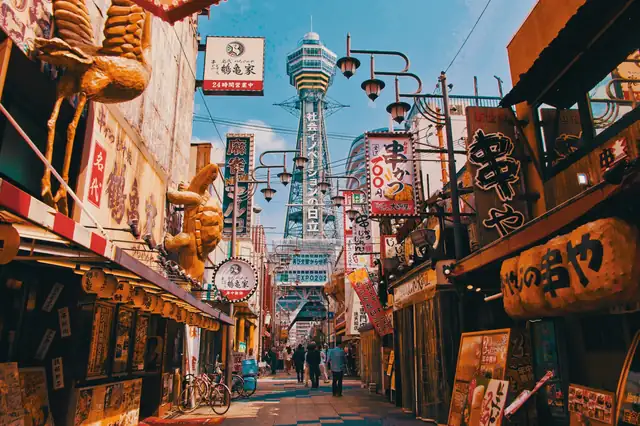 大阪
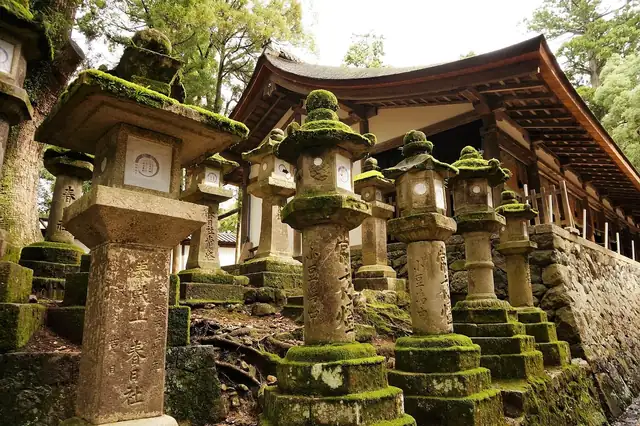 奈良
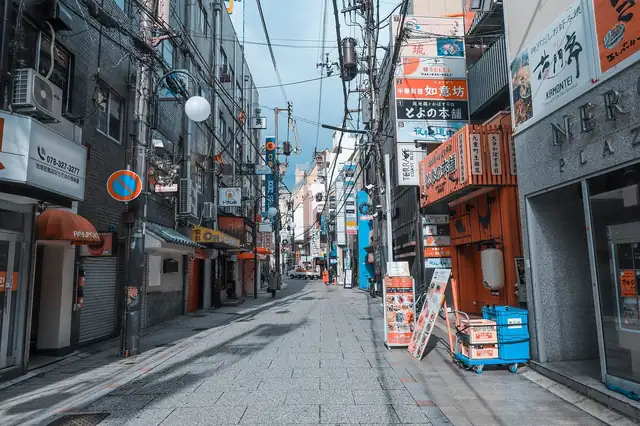 兵庫
 三重
 和歌山
 滋賀