

On this page
Kochi Travel Guide: Pacific Breakers, Samurai Rebels & Crystal Rivers
Curving along the southern underbelly of Shikoku facing the vast expanse of the Pacific Ocean, Kochi Prefecture (高知県) is a land of fierce independence, untamed wilderness, and irrepressible social spirit. Known historically as Tosa Province, the region is walled off from the rest of Shikoku by the towering spine of the Shikoku Mountains, leaving it facing outward toward the open sea. This geographic isolation bred a distinct local character—proud, direct, free-thinking, and famously fond of communal drinking banquets (Kyaku).
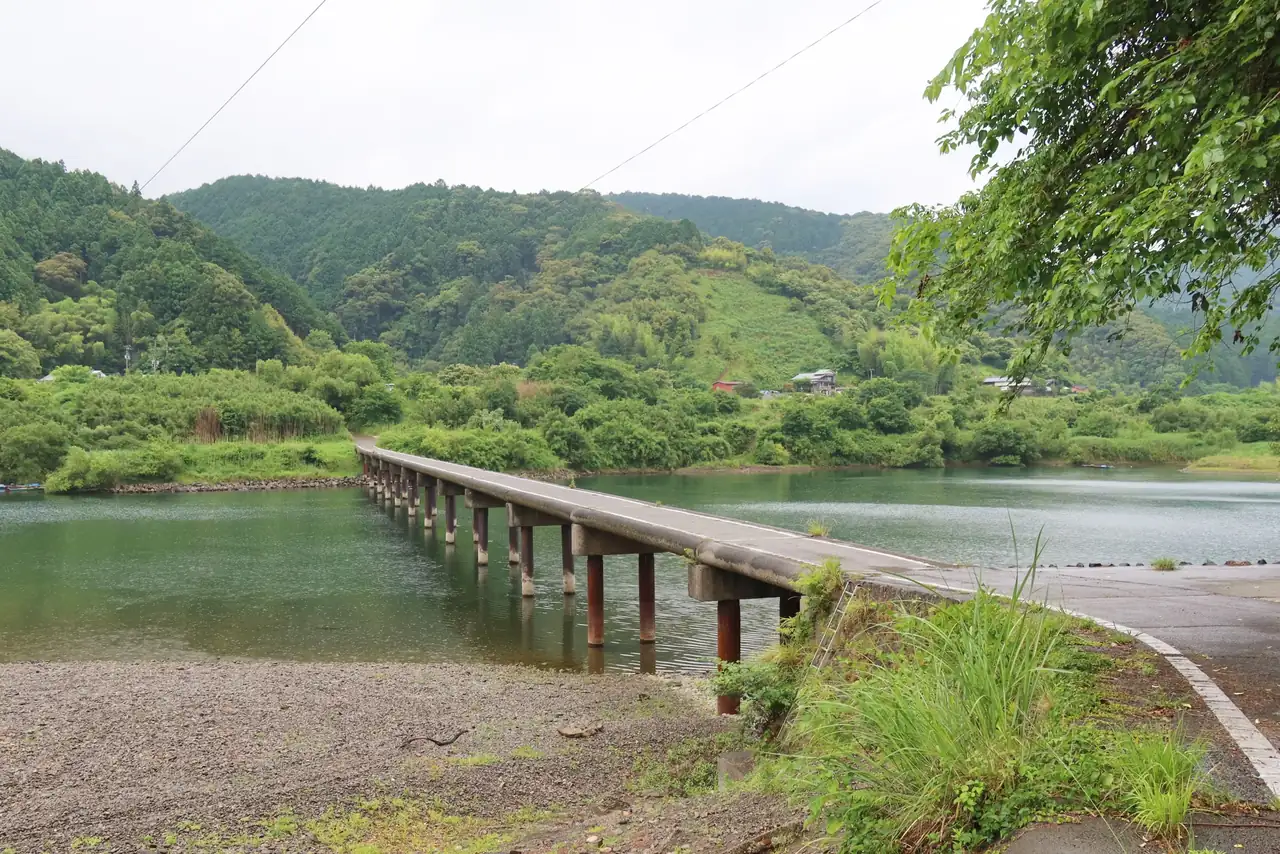
Kochi was the crucible of Japan’s modern political revolution, giving birth to Sakamoto Ryōma, the visionary samurai rebel who brokered the alliance that toppled the Tokugawa Shogunate and propelled Japan into the modern era. Its capital, Kochi City, centers on one of Japan’s most architecturally significant feudal keeps—the only castle in the country where both the original keep and the feudal lord's main palace survive intact. Beyond the city lies an outdoor wonderland defined by pure water: the cobalt rapids of the Niyodo River (famed for its crystalline "Niyodo Blue" hue) and the Shimanto River, celebrated as Japan’s last undammed clear stream, spanned by submersible low-water bridges (Chinkabashi). With its bustling street markets and straw-seared bonito feasts, Kochi provides an authentic, high-energy adventure along Japan’s southern frontier.
---
Navigating Kochi Prefecture: Core Geographic Sectors
Kochi stretches in a wide 500-kilometer arc around Tosa Bay, divided naturally into three distinct geographic regions:
| Sector | Primary Station Hubs | Landscape & Atmosphere | Key Highlights |
|---|---|---|---|
| Kochi Central & Tosa Bay | JR Kochi / Harimayabashi | Bustling castle capital, retro streetcars, dynamic indoor food halls, 300-year-old Sunday markets, Pacific headlands. | Kochi Castle, Hirome Market, Katsurahama Beach (Ryōma statue), Kochi Sunday Market, Makino Botanical Garden. |
| Western Wilderness & Shimanto | JR Kubokawa / Nakamura / Sukumo | Meandering undammed mountain rivers, submersible concrete bridges, lush subtropical valleys, surf breaks. | Shimanto River (Chinkabashi bridges), Cape Ashizuri, Tatsukushi Marine Park, Kashiwajima (crystal diving coves). |
| Niyodo Valley & The East (Muroto) | Ino / JR Gomen / Nahari | Glowing cobalt river canyons, karst highland plateaus, dramatic UNESCO ocean capes, citrus orchards. | Niyodo River (Yasui Gorge, Nakatsu Gorge), Shikoku Karst, Cape Muroto Geopark, Monet's Garden Marmottan. |
Top Things to Do Across Kochi
1. Explore Japan's Complete Feudal Complex at Kochi Castle
Constructed between 1601 and 1611 by Yamauchi Kazutoyo, the first lord of the Tosa Domain, Kochi Castle (Kōchi-jō) is an architectural rarity. It is one of only twelve castles in Japan with an original Edo-period wooden keep (Tenshu) still standing. Even more remarkably, it is the only castle in all of Japan where both the original keep and the entire Honmaru Palace (Kaitokukan) survive intact.
Visitors enter through the monumental Ōtemon Gate, positioned so that photographers can capture both the imposing gate and the mountaintop keep within a single visual frame. Ascending the stone ramparts—engineered with specialized projecting stone spouts (Mizunuki) to drain Kochi's torrential Pacific rains—leads into the palace. Walk across polished wooden tatami corridors where feudal lords conducted official state affairs in the elevated Jōdan-no-ma chamber, then climb the steep, narrow wooden stairs to the top of the watchtower keep for a 360-degree panoramic vista across the city to the surrounding mountains.
2. Stand Beside Sakamoto Ryōma at Katsurahama Beach
Curving along the Pacific shoreline roughly thirty minutes south of central Kochi, Katsurahama Beach is a picturesque crescent bay of dark pebbles and five-colored gravel, framed by twisted green coastal pines and rugged rocky bluffs. In feudal poetry, Katsurahama was celebrated as the supreme vantage point for viewing the mid-autumn harvest moon.
Perched high on the grassy headland of Cape Ryūzū stands the colossal, 5.3-meter-tall bronze Statue of Sakamoto Ryōma. Depicted in traditional samurai hakama and Western leather boots, Ryōma stands with one hand tucked inside his kimono breast, gazing steadfastly past the breaking waves toward the distant horizon—symbolizing his ambition to open Japan to international trade and democracy. Safety Note: Due to powerful undertows and treacherous breaking swells off the Pacific shelf, swimming at Katsurahama is strictly prohibited.
---
3. Immerse in the Living Energy of Hirome Market
Located just a three-minute stroll from Kochi Castle, Hirome Market (Hirome Ichiba) is the culinary and social epicenter of Kochi City. Packed under a single roof, this lively, semi-indoor market houses over sixty food stalls, fresh fishmongers, and craft bars surrounding communal banquet seating.
The atmosphere resembles an ongoing street carnival from mid-day until late at night. Diners secure an open seat at long shared wooden tables, order dishes from different vendor stalls—such as straw-seared bonito from Myōjinmaru, crispy gyoza dumplings from Yatai Yasubee, or fried river shrimp—and order mugs of draft beer or dry Tosa sake. Kochi dining culture is open and welcoming: sharing food and clinking glasses with friendly local strangers sitting beside you is a natural part of the Hirome experience.
4. Cycle Across the Submersible Bridges of the Shimanto River
Flowing for 196 kilometers through southwestern Kochi into the Pacific, the Shimanto River (Shimanto-gawa) is celebrated as the "Last Clear Stream of Japan". Unlike almost every other major river on Honshu and Shikoku, the Shimanto has no large-scale hydroelectric flood-control dams built along its main stem, allowing its natural aquatic ecosystem and seasonal water flows to thrive undisturbed.
The defining visual and architectural hallmarks of the river are its forty-eight Chinkabashi (Submersible Sinking Bridges). These low-lying, single-lane concrete bridges are engineered without side railings; during heavy summer typhoons and floods, the river rises to submerge the bridges completely beneath the rushing water, allowing logs and debris to wash harmlessly over the surface without snagging or destroying the structure.
Rent a bicycle at JR Nakamura Station to pedal along the quiet riverside lanes. The most iconic bridge is Sada Chinkabashi—the longest submersible bridge on the river (291 meters), painted with distinctive blue piers—framed against forested mountains and fishermen harvesting wild sweetfish (Ayu) and river nori seaweed.
---
5. Track the Ethereal "Niyodo Blue" Waters
Rivaling the Shimanto in pure water quality, the Niyodo River originates high in the mountains around Mount Ishizuchi and has repeatedly been ranked by government surveys as having the cleanest river water in Japan. The river is globally renowned for "Niyodo Blue"—a crystalline, luminous cobalt-and-turquoise coloration caused by low impurities, high mineral transparency, and sunlight scattering through volcanic riverbed boulders.
The two premier spots to witness this natural optical wonder are:
- Yasui Gorge (Yasui-keikoku): A steep, forested mountain ravine featuring the Suishōbuchi (Crystal Pool), where the water is so clear that submerged boulders look touchable despite being meters deep, shifting in shade throughout the day.
- Nakatsu Gorge (Nakatsu-keikoku): An accessible 2.3-kilometer walking trail that winds through narrow rock fissures, across suspension bridges, and beneath soaring granite cliffs, terminating at the roaring Ryūō Falls.
6. Stroll 300 Years of Heritage at the Kochi Sunday Market
Operating continuously every Sunday morning since 1690 during the reign of the fourth Yamauchi lord, the Kochi Sunday Market (Nichiyō-ichi) is the longest open-air street market in Japan. Stretching for 1.3 kilometers straight down Otesuji Avenue from the main gates of Kochi Castle, roughly three to four hundred vendor stalls set up beneath colorful green and white canvas awnings.
Unlike tourist souvenir markets, this is a working community market where local farmers, fishers, and artisans from across the mountains and coast come to sell their goods directly. Browse heaps of fresh yellow Yuzu citrus, candied ginger, fresh sweet tomatoes (Fruit Tomato), hand-forged Tosa kitchen knives, and steamed sweet potato cakes (Imo-ten) fried fresh on the street.
7. Explore Botanical Wonder at Makino Botanical Garden
Perched high on the forested crest of Mount Godaisan overlooking Kochi City, the Kochi Prefectural Makino Botanical Garden honors Dr. Tomitaro Makino (1862–1957), universally celebrated as the "Father of Japanese Botany," who classified and named over 1,500 new plant species throughout his life.
Spanning six hectares of natural rolling topography, the garden integrates outdoor woodland walking trails with striking, award-winning timber architecture designed by Hiroshi Naito. The complex features over three thousand species of wild plants, a multi-story conservatory housing tropical orchids and giant Amazon water lilies, and comprehensive museum exhibits showcasing Dr. Makino’s botanical sketches and field notebooks.
Kochi Food Culture: Katsuo Tataki, Tosa Sake & Sawachi Banquets
Kochi’s gastronomy is bold, unpretentious, and designed around oceanic catches, rustic wood fire, and festive banquet feasting:
- Katsuo no Tataki (Straw-Seared Bonito): The undisputed culinary soul of Kochi. Freshly landed Pacific skipjack tuna (Katsuo) is skewered on long metal tines and thrust directly into a roaring, high-heat fire fueled entirely by dry rice straw (Wara-yaki). The intense straw flames reach up to 900°C, searing the outer edge of the fish in seconds to a smoky, crisp finish while leaving the interior raw, tender, and cool. The thick, warm slices are served immediately, accompanied by generous mounds of sliced raw garlic, scallions, sweet white onions, and grated ginger. Connoisseurs prefer it Shiro-tataki (Salt-Seared)—seasoned simply with coarse mineral sea salt and a squeeze of fresh local yuzu juice while the crust is still warm from the embers.
---
- Sawachi Ryōri (The Grand Banquet Platter): The definitive expression of Tosa hospitality. Designed historically so that hosts and home cooks would not spend entire gatherings cooking in the kitchen, Sawachi is an enormous, circular ceramic platter measuring up to forty to sixty centimeters across, piled with food. A single platter features an array of delicacies: thick-cut Katsuo no Tataki, whole spiny lobsters, simmered river fish, mountain vegetable rolls, and rustic sushi. Diners gather around the table, serving themselves directly onto small side plates while drinking sake.
- Dry Tosa Sake (Tanrei Karakuchi): Kochi’s alcohol culture is legendary; the prefecture regularly leads Japan in per-capita sake consumption. To cut through the rich, fatty oils of fresh bonito and the bold flavors of Sawachi banquets, Tosa’s eighteen active breweries (such as Tsukasa-botan, Suigei, and Bijofu) specialize in a distinctive Tanrei Karakuchi brewing style: sakes that are clean, dry, crisp, and robust, with a clean finish that refreshes the palate.
- Tosa Akagushi (Brown Cattle Wagyu): Unlike the Japanese Black wagyu cattle found throughout most of the country, Kochi is home to the rare Tosa Akagushi (Japanese Brown Cattle), representing less than 0.1% of all wagyu produced in Japan. Raised in the alpine pastures of the Shikoku Mountains, Tosa Akaushi features lean, ruby-red meat with fine, delicate marbling. It delivers an intense beef umami without the heavy fat of traditional wagyu, served as thick steaks or simmered in sukiyaki.
- The Yuzu Capital: Kochi produces roughly fifty percent of all the Yuzu citrus grown in Japan, centered in the mountain valleys of Umaji and Kitagawa. The fruit’s peel and juice are infused into everything from salad dressings and craft ponzu to yuzu ciders, sorbets, and hot chili pastes (Yuzukoshō).
Transportation: Mountain Scenic Trains & Vintage Streetcars
Because the Shikoku mountain range forms a high interior wall, access to Kochi relies on scenic mountain rail lines and regional air connections:
- Honshu (Okayama) to Kochi via JR Nanpū Limited Express:
- The JR Limited Express Nanpū departs JR Okayama Station (a major Sanyō Shinkansen stop) roughly once every hour.
- The train crosses the Great Seto Bridge and cuts directly through the dramatic river canyons of the Shikoku Mountains (Ōboke and Koboke gorges), reaching JR Kochi Station in roughly 2 hours and 30 minutes. (Fully covered by the nationwide JR Rail Pass and JR All Shikoku Rail Pass).
- Kōchi Ryōma Airport (KCZ) Transit:
- Located roughly thirteen kilometers east of downtown Kochi. Dedicated Airport Limousine Buses connect the terminal directly to JR Kochi Station in roughly 30 minutes and Harimayabashi in 25 minutes.
- Tosaden Kōtsū (Vintage City Streetcars):
- Dating back to 1904, Tosaden operates the oldest surviving streetcar network in Japan, spanning two main axes that cross at the famous Harimayabashi intersection.
- Trams link JR Kochi Station directly to Kochi Castle (Kochijō-mae) in roughly 15 minutes, with western branches running out to Ino (famed for Tosa Washi papermaking). Flat fares apply in the central city zone (¥200), and streetcars accept national digital Suica, Pasmo, and ICOCA cards tapped on smartphones.
- Reaching the Shimanto River:
- From JR Kochi Station, board the JR Limited Express Ashizuri heading west along the coast to JR Nakamura Station (the hub for exploring the Shimanto River Chinkabashi bridges) in roughly 1 hour and 45 minutes.
Where to Stay in Kochi: Strategic Base Camps
| Base Hub | Vibe & Atmosphere | Transit Connections | Accommodation Strategy |
|---|---|---|---|
| Kochi City Core (Station & Harimayabashi) | Lively provincial capital, walking access to castle, Hirome Market, and streetcar hubs. | JR Dosan Line; Tosaden streetcar interchange; airport limousine bus stops. | High density of modern, efficient Japanese business hotels (multiple central APAs), railway towers, comfortable mid-tier boutique city hotels. |
| Shimanto & Nakamura (West) | Quiet river town, cycling gateway to submersible bridges, pristine nature. | JR Dosan / Tosa Kuroshio Railway terminus. | Riverside hot spring (onsen) hotels, clean station-front business lodges, traditional minshuku. |
| Ashizuri & Tatsukushi (Deep South) | Dramatic ocean sea cliffs, Pacific swells, star-filled night skies, subtropical vegetation. | Buses from Nakamura Station; rental car recommended. | Oceanfront resort hotels with clifftop outdoor onsen baths looking across the Pacific Ocean, cozy coastal ryokans. |
| Niyodo River Valley | Deep mountain gorge tranquility, emerald river pools, soothing forest air. | Bus routes from Ino or Sakawa stations; rental car ideal. | Secluded riverside onsen ryokans, nature-concept glamping resorts, traditional hot spring inns. |
Regional Day Trips Across Kochi Prefecture
1. Cape Muroto: The UNESCO Global Geopark
Jutting into the Pacific at the southeastern tip of Shikoku, Cape Muroto (Muroto-misaki) is an internationally acclaimed UNESCO Global Geopark. Formed by tectonic subduction where the oceanic Philippine Sea Plate dives beneath the continental plate, the cape is rising out of the sea at one of the fastest geological rates in the world, creating coastal terraces, uplifted sea caves, and subtropical rock gardens.
Visit the Mikurodo Cave, where Buddhist monk Kūkai (Kōbō Daishi) cloistered himself in ascetic meditation around the year 792 AD, attaining enlightenment while gazing out at only the sky (Kū) and the sea (Kai)—which inspired his monastic name. Above the cape stands the stark-white Muroto Lighthouse, featuring one of the largest optical lenses in Japan.
2. The Shikoku Karst: The Road in the Sky
Straddling the high mountain border between Kochi and Ehime at an elevation of 1,400 meters, the Shikoku Karst is one of Japan's three major karst plateaus. The landscape consists of expansive green alpine grasslands dotted with hundreds of white weathered limestone rock pillars and sinkholes, where dairy cattle graze peacefully.
Driving the Shikoku Karst Prefectural Road 383 (The Sky Route) offers an extraordinary journey above the clouds, following the narrow mountain crest past rolling hills and modern wind turbines with unobstructed vistas across the Shikoku mountains to the Pacific.
3. Kashiwajima: The Boat-Floating Jewel
Located off the southwestern tip of Kochi in Ōtsuki, Kashiwajima is a tiny island connected to the mainland by two short bridges. Positioned where the Kuroshio current collides with Bungo Channel tides, the surrounding waters are home to over one thousand species of fish and rich coral colonies.
The sea around the island's harbor is so clear and pure that fishing boats anchored in the shallows appear as though they are floating in mid-air, casting crisp shadows onto the white sandy seabed meters below. It is a premier sanctuary for snorkeling, scuba diving, and underwater photography.
Best Seasons to Visit Kochi
- August 9–12 (The Yosakoi Festival): The undisputed cultural climax of the year. Born in Kochi in 1954 to revitalize the economy, Yosakoi Matsuri has grown into one of Japan's most vibrant modern dance celebrations. Over twenty thousand dancers in nearly two hundred teams—wearing colorful custom kimonos, waving wooden hand-clappers (Naruko), and accompanied by massive sound-trucks (Jigatasha)—fill sixteen outdoor parade sites across Kochi City in a continuous four-day explosion of choreography, music, and energy.
- Autumn (October to Late November): The premier season for comfortable outdoor touring and river exploring. Crisp, sunny skies, low humidity, and pleasant daytime temperatures (15°C–20°C / 59°F–68°F). The mountain gorges of the Niyodo River and the Shikoku Karst blaze in gold and crimson maple foliage. Autumn is also the peak culinary season for Modori-gatsuo (Returning Bonito)—skipjack tuna migrating south from northern waters, packed with rich, sweet fat.
- Spring (Late March to Mid-April): A splendid season of cherry blossoms. Somei-yoshino trees bloom across the stone ramparts of Kochi Castle (which regularly hosts night illuminations) and along the banks of the Kagami River. Early spring also marks the arrival of Hatsu-gatsuo (First Bonito of the season), celebrated for its lean, clean flavor.
- Winter (December to February): Cool, crisp, and sunny. While temperatures average 3°C to 11°C (37°F–52°F), Kochi’s southern coastal exposure gives it abundant winter sunshine hours. Winter is the definitive season to feast on hearty dishes at Hirome Market, sip warm Tosa sake at traditional banquets, and enjoy quiet walks along the sunny shores of Katsurahama without summer humidity.
- Summer (Late June to August): Lush, green, and water-centric, with temperatures reaching 31°C to 33°C (88°F–91°F). The crystalline waters of the Shimanto and Niyodo rivers offer ideal conditions for canoeing, stand-up paddleboarding, and swimming around submersible bridges. Weather note: August and September are peak typhoon months; coastal swells can temporarily halt river activities during major storm fronts.


 香川
香川 愛媛
愛媛 徳島
徳島