

On this page
Kagoshima Travel Guide: The Smoldering Giant, Samurai Innovators & Primeval Cedars
Anchoring the southernmost tip of Kyushu, Kagoshima Prefecture (鹿児島県) is one of the most geographically dramatic and fiercely independent regions in Japan. Dominated by the smoking, active caldera of Sakurajima—a volcano that rises directly across the harbor from the prefectural capital and erupts hundreds of times each year—the prefecture exists in constant conversation with geothermal power. Known historically as Satsuma Province, Kagoshima’s isolation at the edge of the archipelago bred a warrior culture of legendary resilience, martial discipline, and global curiosity.
During the twilight of the samurai era, the forward-thinking Shimazu clan turned Satsuma into a crucible for modernization, secretly dispatching students to Europe and pioneering early industrial foundries years before the rest of Japan emerged from isolation. This fierce local spirit produced Saigō Takamori—the revered "Last Samurai"—who led the imperial forces to topple the Tokugawa Shogunate, only to later lead the ill-fated 1877 Satsuma Rebellion against the imperial government when samurai traditions were stripped away. Beyond the historical monuments and volcanic ash of Kagoshima City lies a vast subtropical territory stretching 600 kilometers south: the steaming geothermal sand baths of Ibusuki, the mythological volcanic shrines of Kirishima, and the UNESCO-listed ancient moss forests of Yakushima. As the southern terminus of the Kyūshū Shinkansen, Kagoshima is an unmissable destination for history buffs, nature lovers, and epicures.
Navigating Kagoshima: Key Geographic Sectors
Kagoshima wraps around the deep waters of Kinkō Bay (Kagoshima Bay), framed by two outstretched peninsulas and anchored by outlying island chains:
| Sector | Primary Station Hubs | Landscape & Atmosphere | Key Highlights |
|---|---|---|---|
| Kagoshima Bay Core | JR Kagoshima-Chūō / Tenmonkan | Coastal bayside capital, vintage green streetcars, lively nightlife arcades, smoking volcanic silhouettes. | Sakurajima (ferry & volcano lookouts), Sengan-en Garden, Shiroyama Observatory, Tenmonkan dining district. |
| Satsuma Peninsula & Ibusuki (South) | JR Ibusuki / Nishi-Ōyama | Subtropical coastal headlands, geothermal black sand beaches, conical volcanic peaks, preserved samurai villages. | Saraku Sand Bath Hall, Mount Kaimon ("Satsuma Fuji"), Chiran Samurai Residence District, Cape Nagasakibana. |
| Kirishima Volcanic Highlands (North) | JR Kirishima-Jingū / Hayato | Shinto mythology trailheads, boiling thermal rivers, crater lakes, high-elevation alpine hiking. | Kirishima Jingū Shrine, Mount Karakunidake, Kirishima Onsenkyo thermal valley, Maruo Falls. |
| Yakushima & Outlying Islands | Miyanoura Port / Anbo (Ferry access) | Ancient temperate rainforests, 3,000-year-old cryptomeria cedars, granitic mountain peaks, ocean onsens. | Jōmon Sugi, Shiratani Unsuikyo (Princess Mononoke forest), Yakusugi Land, Hirauchi Kaichu seaside onsen. |
Top Things to Do Across Kagoshima
1. Cross Kinkō Bay to Explore Active Mount Sakurajima
Rising 1,117 meters out of Kinkō Bay just four kilometers from downtown Kagoshima, Sakurajima is one of the world's most active stratovolcanoes. Originally an island, a cataclysmic eruption in 1914 expelled over three billion tons of lava, filling the narrow strait to permanently bridge the volcano to the eastern Ōsumi Peninsula. The volcano erupts on an almost daily basis, sending plumes of ash billowing into the sky and occasionally dusting the streets of Kagoshima City.
Board the 24-hour Sakurajima Ferry from Kagoshima Port for a 15-minute crossing across the bay. On the island, take the Sakurajima Island View Bus to the Yunohira Observatory—the highest point accessible to the general public (373 meters), offering views into the smoldering Minamidake crater. Walk the lava fields along the Nagisa Lava Trail, soak your feet in the 100-meter-long outdoor thermal footbath at Nagisa Park, and see the Kurokami Buried Shrine Gate, where a three-meter-tall stone torii was buried up to its top horizontal lintel by volcanic ash in a single day during the 1914 blast.
2. Stroll the Feudal Grandeur of Sengan-en Garden
Built in 1658 by Shimazu Mitsuhisa as the secondary seaside estate of the ruling Satsuma daimyo, Sengan-en (Iso Teien) is an extraordinary landscape stroll garden. Its defining brilliance is the concept of shakkei ("borrowed scenery"): rather than constructing miniature hills and water features, the garden incorporates the waters of Kinkō Bay as its garden pond and the smoking silhouette of Mount Sakurajima as its central mountain backdrop.
The estate holds a major place in industrial history. In the 1850s, Lord Shimazu Nariakira established the Shūseikan Project here, constructing Japan's very first Western-style reverberatory metal-smelting furnaces, textile mills, and glass factories to cast cannons and armor plates. Today, visitors can tour the restored Edo-period daimyo villa, explore the Shūseikan industrial museum (a UNESCO World Heritage site), and watch artisans hand-cut radiant crimson and cobalt Satsuma Kiriko cut glass inside the adjacent heritage workshops.
3. Stand Before Saigō Takamori at Shiroyama
Rising directly behind downtown Kagoshima, the wooded hill of Shiroyama is sacred ground in modern Japanese history. In September 1877, following months of bloody warfare across Kyushu during the Satsuma Rebellion, Saigō Takamori made his final stand here alongside his last forty loyal samurai against thirty thousand imperial troops. Trapped in a cave near the summit, the mortally wounded Saigō committed ritual suicide (seppuku), marking the historical end of the samurai class.
Today, the Shiroyama Observatory offers the definitive panoramic photograph of Kagoshima City, looking past the bay to Sakurajima. Down the hill stands the colossal eight-meter bronze statue of Saigō Takamori depicted in his Western military uniform, alongside the Reimeikan Museum built on the stone moats of the former Tsurumaru Castle.
4. Get Buried Alive in Geothermal Sand at Ibusuki Onsen
At the southern tip of the Satsuma Peninsula sits the coastal hot spring town of Ibusuki. Heated by deep subterranean magma vents flowing beneath the beach, Ibusuki is famous worldwide for Sunamushi (Natural Sand Steaming Baths). At coastal establishments like Saraku, bathers change into cotton yukata robes and lie down in shallow trenches dug into the dark volcanic ocean sand.
Attendants use heavy shovels to bury your entire body up to your neck in warm sand heated naturally by 80°C hot spring waters. The weight of the sand combined with the mineral heat stimulates cardiovascular circulation and induces intense perspiration within ten to fifteen minutes, leaving your skin soft and muscles relaxed while you listen to Pacific waves crashing meters away.
5. Step into Living Edo Preservation at Chiran Samurai Residences
Located in the rolling green tea hills of central Satsuma, Chiran preserves a pristine, 700-meter-long quarter of samurai estates established in the eighteenth century. To guard against internal rebellions, the Shimazu clan divided their territory into over one hundred semi-autonomous fiefs called fumoto, with Chiran serving as an outer defensive post.
The street is flanked by meticulously trimmed boxwood hedges, dry-laid volcanic stone walls, and imposing timber gates. Seven historic dry-landscape (karesansui) and pond strolling gardens designed by master landscape artists from Kyoto remain open to the public, incorporating the surrounding ridges of Mount Hahagadake into their rock-and-moss designs. Nearby sits the sobering Chiran Peace Museum, dedicated to the memory of hundreds of teenage army aviators who launched one-way kamikaze missions from Chiran Airfield in the closing months of World War II.
6. Explore the Shinto Creation Myth at Kirishima Jingū
Nestled in the deep, mist-covered cedar forests of the Kirishima volcanic mountain range, Kirishima Jingū is steeped in Japanese creation folklore. According to the Kojiki, this was the site where Ninigi-no-Mikoto—the grandson of the Sun Goddess Amaterasu—descended from the heavens to Earth carrying the Three Sacred Imperial Regalia to establish the lineage of the Japanese emperors.
Rebuilt in 1715 by Lord Shimazu Yoshitaka after multiple historical structures were incinerated by volcanic eruptions from neighboring craters, the shrine is designated a National Treasure. Known as the "Nikkō of the West," the main sanctuary is lacquered in vermilion, framed by relief carvings of dragons, and shaded by an ancient sacred cedar tree over eight hundred years old.
7. Trek the Ancient Moss Forests of Yakushima
Located sixty kilometers south of the mainland in the Pacific Ocean, the round, mountainous island of Yakushima was inscribed alongside Shirakami Sanchi as Japan’s very first UNESCO World Natural Heritage site in 1993. Rising abruptly out of the sea to nearly 2,000 meters at Mount Miyanoura (the highest peak in Kyushu), the island receives extraordinary rainfall—giving birth to the local joke that "it rains 35 days a month."
This endless moisture supports an ancient subarctic-to-subtropical rainforest of giant moss-covered Yakusugi (ancient Japanese cedars) that have lived for millennia. Two treks stand out:
Shiratani Unsuikyo: A moderate half-day hike through a misty, emerald ravine blanketed in over six hundred species of moss, weeping roots, and clear streams. The Kokedai-mori (Moss Forest) served as the direct aesthetic inspiration for Hayao Miyazaki’s animated masterpiece Princess Mononoke.
Jōmon Sugi Trek: A demanding 10-hour round-trip mountain hike that leads past abandoned railway tracks deep into the primeval interior to stand before Jōmon Sugi—a massive, gnarled cedar measuring over sixteen meters in circumference, estimated to be between 2,100 and 7,000 years old.
Kagoshima Food Culture: Kurobuta Pork, Torisashi & Sweet Potato Shōchū
Kagoshima’s food culture is hearty, deeply savory, and distinct from the rest of Japan. Its rich volcanic soil (shirasu) and sub-tropical sun favor sweet root vegetables, prized heritage black livestock, and distilled spirits:
Kagoshima Kurobuta (Berkshire Black Pork): The undisputed king of Japanese pork. Descended from British Berkshire pigs imported during the late Edo period, certified Kagoshima Kurobuta hogs are raised on a diet supplemented with local sweet potatoes (satsumaimo). The sweet potato diet enriches the meat with high levels of neutral amino acids and vitamin E, producing a melt-in-the-mouth texture with sweet, clean fat that avoids heaviness. Enjoy it as:
- Kurobuta Tonkatsu: Thick-cut pork loins breaded in panko and deep-fried crisp, served with sweet Worcestershire tare and shredded cabbage.
- Kurobuta Shabu-Shabu: Paper-thin ribbons of pork belly and loin briefly swirled in boiling dashi broth, dipped in citrus ponzu or raw egg.
Kagoshima Kuroushi (Award-Winning Wagyu): Kagoshima produces more Wagyu beef than any other prefecture in Japan. Known as Kagoshima Kuroushi, its Japanese Black cattle won top national honors at the prestigious National Wagyu Competitions. Savor it seared over tabletop charcoal grills or as sukiyaki, celebrated for its snowy marbling and buttery finish.
Satsuma-age (Fried Fish Cakes): A classic seaside street food. Fresh minced white fish paste (such as flying fish or cod) is seasoned with local sweet sake and shōchū, mixed with chopped seasonal vegetables (burdock root, carrots, lotus root), and deep-fried in vegetable oil until the exterior turns golden brown. Served hot from markets, offering a slightly sweet, snappy bite.
Satsuma Shōchū: The beverage of choice across southern Kyushu. Unlike central Japan’s rice-brewed sake, Kagoshima’s alcohol culture centers on clear spirits distilled from Koganesengan sweet potatoes and black koji mold. Holding protected World Trade Organization geographic status, Satsuma Shōchū yields an earthy, fragrant aroma with natural root sweetness. The authentic local way to drink it is Orokushiro (6:4 ratio)—mixing six parts shōchū with four parts hot water (oyuwari) in a dedicated ceramic server to release the sweet potato aromas.
Torisashi (Raw Chicken Sashimi): A long-standing culinary tradition dating back centuries. Slices of super-fresh local heritage chicken breast, thigh, and lightly seared skin are served raw, accompanied by grated ginger, garlic, and sweet aged Kagoshima soy sauce. Health Note: Preparation requires specialized licensed butchers adhering to strict prefectural sanitation protocols.
Shirokuma Shaved Ice: Kagoshima’s iconic summer dessert, invented in Tenmonkan in the 1940s at the cafe Tenmonkan Mujaki. A massive mountain of fluffy shaved ice is drenched in sweet condensed milk, decorated with colorful candied fruits, sweet adzuki beans, and raisins arranged to resemble the face of a polar bear ("Shirokuma").
Transportation: Bullet Train Terminus & Island Transit
Kagoshima is the transportation crossroads of southern Kyushu, connecting high-speed rail lines to coastal sea ferries:
Kyūshū Shinkansen (Bullet Train):
- JR Kagoshima-Chūō Station serves as the southern terminus of high-speed rail in Japan. The fastest Mizuho and Sakura bullet trains connect Kagoshima directly to Kumamoto in 43 minutes, Hakata (Fukuoka) in 1 hour 17 minutes, and Shin-Osaka in roughly 3 hours 45 minutes. (Fully covered by the nationwide JR Rail Pass and JR Kyushu Rail Pass).
Kagoshima City Tramway: Two vintage streetcar routes (Line 1 and Line 2) link Kagoshima-Chūō Station to the downtown shopping district of Tenmonkan, the Sakurajima Ferry Terminal, and the southern waterfront. Fares are a flat ¥170 per ride, and streetcars fully accept digital Suica, Pasmo, and ICOCA cards tapped on your smartphone.
The 24-Hour Sakurajima Ferry: Running continuously 365 days a year between Kagoshima Port and Sakurajima (departing every 15 to 20 minutes during daylight hours, and hourly late at night). Payment is made upon arrival at the Sakurajima dock via IC card or cash (¥200 flat fare).
Reaching Yakushima Island:
- High-Speed Jetfoil (Toppy / Rocket): Departs Kagoshima Port multiple times daily, reaching Miyanoura or Anbo ports in roughly 2 hours to 2 hours 45 minutes.
- Car Ferry (Ferry Yakushima 2): Slower, cost-effective daily passenger ferry (approx. 4 hours).
- Domestic Flights: 35-minute commuter flights link Kagoshima Airport (KOJ) to Yakushima Airport (KUM) daily via JAL/JAC.
Where to Stay in Kagoshima: Strategic Base Camps
| Base Hub | Vibe & Atmosphere | Transit Connections | Accommodation Strategy |
|---|---|---|---|
| JR Kagoshima-Chūō Station | Modern rail terminal hub, multi-story Amu Plaza shopping complex, direct Shinkansen access. | Kyūshū Shinkansen; JR regional lines; airport limousine bus terminus. | High density of modern, efficient Japanese business hotels (multiple central APAs), railway tower hotels, transit lodgings. |
| Tenmonkan (Downtown) | Lively dining district, pedestrian covered shopping arcades, izakayas, craft bars. | Central streetcar interchange (Tenmonkan-dori); short walk to ferry port. | Boutique lifestyle hotels, comfortable mid-tier business chains, design apart-hotels. |
| Ibusuki Coastal Onsen | Subtropical beach retreat, ocean breezes, natural geothermal sand steaming halls. | JR Ibusuki Pillow Line (including the scenic Ibusuki no Tamatebako resort train). | Expansive oceanfront hot spring resort complexes, historic seaside ryokans with private sand bath facilities. |
| Kirishima Onsenkyo | Secluded mountain valley, therapeutic sulfuric steam, lush alpine forest surroundings. | JR Nippo Main Line / Hisatsu Line; mountain bus routes. | Traditional hot spring ryokans featuring private open-air forest baths (rotenburo) and multi-course Kurobuta dining. |
| Yakushima (Miyanoura / Anbo) | Remote island nature escape, coastal fishing ports, gateway to ancient mountain trails. | Central ferry docks; island loop bus network. | Eco-lodges, family-run seaside minshuku, coastal onsen resorts; rental car booking recommended. |
Regional Day Trips Across Kagoshima Prefecture
1. Mount Kaimon ("Satsuma Fuji") & Lake Ikeda
Rising symmetrically from the coastal plains at the southernmost tip of the Satsuma Peninsula, Mount Kaimon (Kaimondake) is an extinct 924-meter volcanic cone nicknamed "Satsuma Fuji" due to its near-perfect resemblance to Mount Fuji. A circular hiking trail spirals around the mountain from Kaimon Station to the summit in roughly 2.5 hours, rewarding hikers with panoramic vistas across the open Pacific Ocean. Nearby lies Lake Ikeda, Kyushu’s largest caldera lake, famous for its giant endemic eels (growing up to two meters long) and blooming golden canola flowers that carpet the shoreline in January.
2. Nishi-Ōyama: Japan's Southernmost Rail Outpost
Along the rural JR Ibusuki-Makurazaki Line sits JR Nishi-Ōyama Station—officially designated as the southernmost train station operated by Japan Railways (JR) in the entire nation. The unstaffed, single-track country platform sits surrounded by agricultural fields, framing an unobstructed view of Mount Kaimon. Next to the platform stands an iconic bright yellow post box, believed to bring happiness and good fortune to anyone who mails a postcard from this southern frontier.
3. Izumi Crane Wintering Grounds
Located on the coastal plains of northwestern Kagoshima, the wetlands of Izumi host one of the most magnificent avian spectacles in Asia. Every year from late October through March, more than ten thousand wild hooded and white-naped cranes (over eighty percent of the global hooded crane population) migrate from Siberia to overwinter in Izumi’s protected marshlands. The Izumi Crane Observation Center offers rooftop viewing decks to watch clouds of cranes taking flight against the morning sunrise over the Shiranui Sea.
Best Seasons to Visit Kagoshima
Spring (Late March to Mid-April): A splendid season of temperate weather averaging 16°C to 20°C (61°F–68°F). Cherry blossoms bloom along the banks of the Kotsuki River in Kagoshima City, around the ruins of Tsurumaru Castle, and across Maruoka Park in Kirishima. Spring offers ideal conditions for trekking in Yakushima and hiking Mount Kaimon.
Autumn (October to Late November): The premier season for touring Kagoshima. Clear, sunny skies, low humidity, and pleasant daytime temperatures (17°C–22°C / 63°F–72°F). The volcanic gorges of Kirishima blaze in vibrant autumn foliage, while early November brings the Ohara Festival (November 2–3)—southern Kyushu’s largest street celebration, where over twenty thousand dancers in traditional yukatas fill the avenues of Tenmonkan dancing the folk song Ohara Bushi.
Winter (December to February): Mild and coastal. While the peaks of Yakushima and Mount Karakunidake can receive dustings of snow, mainland Kagoshima experiences some of the warmest winter temperatures on main-island Japan (averaging 7°C to 14°C / 45°F–57°F). Winter is the definitive season to enjoy the steaming hot sand baths of Ibusuki, soak in Kirishima’s secluded onsen valleys, and witness the massive crane migrations in Izumi.
Summer (June to August): Lush, tropical, and sunny, with temperatures averaging 30°C to 34°C (86°F–93°F). Summer brings vibrant beach swimming at Iso Beach, ice-cold bowls of Shirokuma shaved ice, and the massive Kagoshima Kinkō Bay Summer Night Fireworks Display in late August, where fifteen thousand fireworks erupt above the waters directly in front of Mount Sakurajima. Travel Note: July through September is typhoon season; monitor sea forecasts if planning ferry crossings to Yakushima.


 福岡
福岡 長崎
長崎 熊本
熊本 大分
大分 宮崎
宮崎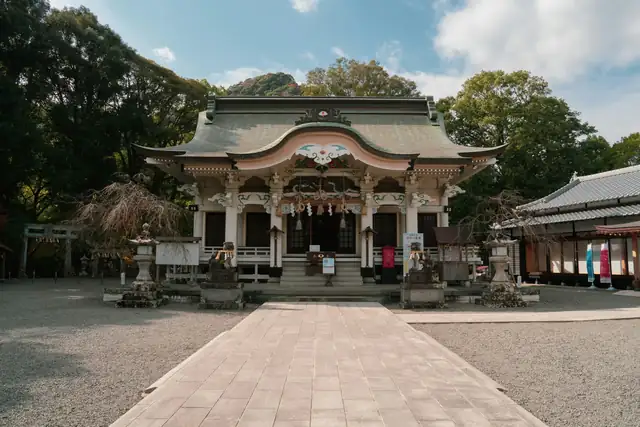 佐賀
佐賀