

On this page
Hokkaido Travel Guide: The Untamed North, Powder Snow & Pure Terroir
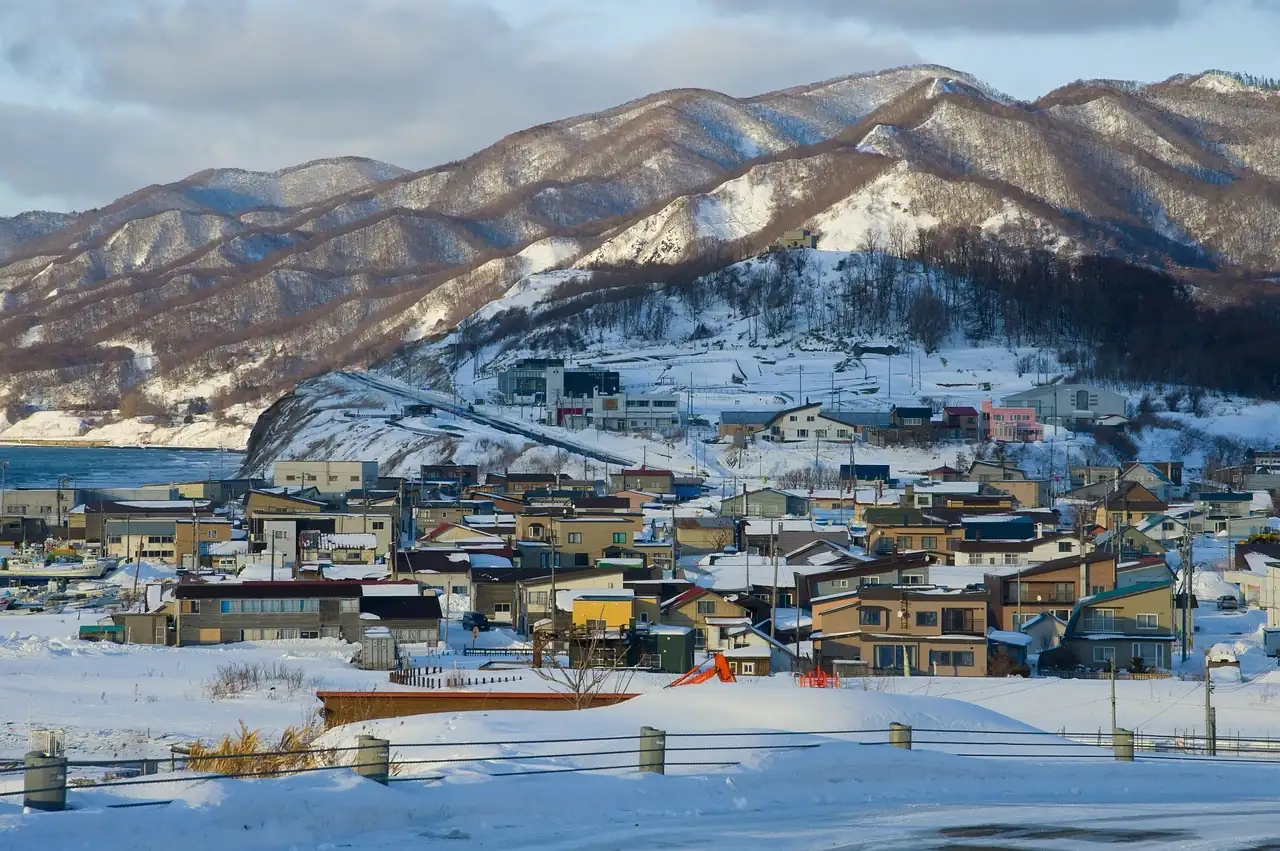
Occupying Japan’s vast northern frontier, Hokkaido (北海道) accounts for over twenty percent of the nation’s total landmass but holds only three percent of its population. Unlike Honshu’s densely stacked urban centers, centuries-old Buddhist temples, and moss-carpeted estates, Hokkaido is a landscape of untamed wilderness: dramatic volcanic calderas, steaming alpine geothermal fields, boundless dairy pastures, pristine subarctic wetlands, and old-growth coniferous forests. Long inhabited by the indigenous Ainu people who named the land Ainu Mosir (“Land of Human Beings”), the island was formally integrated into the Japanese administrative state during the Meiji era in 1869, developing on a distinct pioneer trajectory influenced by American agricultural engineering.
For international travelers, Hokkaido presents two distinct worlds. In winter, Siberian cold-weather fronts push across the Sea of Japan, dumping oceans of dry, moisture-free powder snow over mountain ranges that make towns like Niseko, Rusutsu, and Furano global epicenters for winter sports. In summer and autumn, the island shifts to temperate wildflower bloom, alpine trekking, and cool summer retreats while the rest of Japan bakes in monsoon humidity. Across all seasons, Hokkaido is celebrated as the undisputed agricultural breadbasket of Japan—famed for cold-water King Crab, sea urchin, world-renowned raw dairy, craft beer, and regional ramen variations.
Navigating Hokkaido: The Regional Layout
Because distances in Hokkaido are deceptive—taking six to eight hours to cross by train—it is essential to break the island into distinct geographic travel circuits:
| Region | Primary Hubs | Landscape & Character | Key Highlights |
|---|---|---|---|
| Central (Dōō) | Sapporo, Otaru, Chitose, Niseko | Urban capital grid, historic merchant canals, international powder ski resorts, geothermal hot spring gorges. | Odori Park, Susukino, Otaru Canal, Niseko ski bowls, Jozankei Onsen. |
| Southern (Dōnan) | Hakodate, Matsumae | Historic 19th-century port architecture, morning seafood markets, samurai fortress relics, Shinkansen terminal. | Mount Hakodate night view, Goryokaku star fort, Hakodate Morning Market. |
| Northern (Dōhoku) | Asahikawa, Furano, Biei, Wakkanai | Vast rolling farmland, lavender hills, volcanic alpine peaks, high-latitude capes facing Russia. | Farm Tomita, Shikisai-no-Oka, Blue Pond (Aoi-ike), Daisetsuzan National Park. |
| Eastern (Dōtō) | Kushiro, Abashiri, Shiretoko Peninsula | Primeval wilderness, UNESCO sea-ice ecosystems, volcanic caldera lakes, wild brown bears, subarctic cranes. | Shiretoko Five Lakes, Lake Akan, Kushiro Wetlands, Sea of Okhotsk drift ice cruises. |
Top Things to Do in Hokkaido
1. Explore the Capital Grid: Sapporo
Unlike the tangled ancient streets of Kyoto or Tokyo, Sapporo was mapped out in the 1870s on an expansive, North American-style rectangular grid with wide avenues and numbered cross-streets. Its anchor is Odori Park, a 1.5-kilometer-long green corridor that bisects the city center. In summer, the park hosts open-air beer gardens run by regional breweries; in early February, it serves as the primary stage for the world-famous Sapporo Snow Festival (Yuki Matsuri), featuring hundreds of massive, multi-story illuminated ice sculptures.
Just south of Odori lies Susukino, the largest entertainment district north of Tokyo, packed with over four thousand bars, nightclubs, and izakayas. Wander down Ganso Ramen Yokocho (Original Ramen Alley), a narrow corridor that has served hot miso ramen since 1951. For panoramic perspectives, ascend the observation decks at the JR Tower directly above Sapporo Station, or take the ropeway up Mount Moiwa for views across the Ishikari Plain.
2. Stroll Along the Stone Warehouses of Otaru
Located forty-five minutes northwest of Sapporo along Ishikari Bay, Otaru served as a bustling 19th-century fishing and coal port. Its defining icon is the Otaru Canal, framed by stone and brick merchant warehouses (kura) illuminated by vintage gas lamps at dusk. Many former warehouses now operate as craft glass-blowing ateliers, microbreweries, and music box museums. Walk down Sakaimachi Street to taste freshly piped double-fromage cheesecakes at the flagship boutique of LeTAO and browse fine hand-blown glassware before sampling sushi on Sushiya-dori, known for cold-water sea urchin and herring roe.
3. Ski the Legend: The Powder Bowls of Niseko & Rusutsu
Averaging fifteen meters of annual snowfall, Niseko is universally recognized as one of the premier winter ski capitals on the planet. Driven by Siberian dry air currents sweeping over the Sea of Japan, the snow here features a moisture content under eight percent, delivering ultra-light, featherweight powder. Niseko comprises four interconnected resorts spanning Mount Annupuri (Grand Hirafu, Hanazono, Niseko Village, and Annupuri), all framed by the symmetrical, snow-capped cone of Mount Yōtei (the "Mount Fuji of Hokkaido"). Across the valley, Rusutsu Resort offers world-class tree skiing and uncrowded off-piste glades.
4. Photograph the Rainbow Fields of Furano and Biei
From late June through early August, central Hokkaido transforms into a vibrant agricultural canvas. In Furano, hillside farms—most notably Farm Tomita—erupt in sweeping rows of lavender, scarlet poppies, white baby's breath, and golden sunflowers, paired with local lavender soft-serve ice cream. To the north, the rolling countryside of Biei features the Shikisai-no-Oka panoramic flower gardens and the mysterious Shirogane Blue Pond (Aoi-ike), an artificial reservoir whose waters shine in surreal shades of electric turquoise caused by natural colloidal aluminum hydroxide dissolved from the nearby Tokachi mountain springs.
5. Hike the "Roof of Hokkaido": Daisetsuzan National Park
Covering more than 2,200 square kilometers, Daisetsuzan is Japan’s largest national park—known to the indigenous Ainu as Kamui Mintara (“Playground of the Gods”). Centered around the active volcanic peak of Mount Asahidake (2,291 meters), the park features steam vents, wild alpine plateaus, and pristine scree ridges. Because of its extreme northern latitude, Daisetsuzan is the very first place in Japan to see autumn leaf colors, with mountain maples turning fiery red as early as late August, followed by early winter snowfalls in October.
6. Savor Harbor History and Skyline Views in Hakodate
Located on Hokkaido’s southern peninsula, Hakodate was one of the first Japanese ports opened to international trade under the 1854 Treaty of Kanagawa. Ride the Hakodateyama Ropeway to the summit of Mount Hakodate at twilight; the view of the city glowing between two curved bays is ranked as one of Japan’s three finest night vistas. Stroll through the Motomachi district to see wooden Russian Orthodox, British, and Episcopal churches alongside historic Western consulates, then visit Goryokaku Fort, a massive Western-style star fort constructed in 1864, which blooms with over 1,600 cherry trees in spring.
7. Explore the Remote Wilderness: Shiretoko Peninsula
Jutting into the Sea of Okhotsk in northeastern Hokkaido, the Shiretoko Peninsula is a UNESCO World Heritage nature reserve accessible primarily by boat or backcountry hiking trail. Home to one of the densest populations of wild brown bears (higuma) in the world, the coastline features sheer 100-meter cliffs, plunging waterfalls, and populations of spotted seals and Steller’s sea eagles. In mid-winter (late January through March), the ocean completely freezes over with massive plates of Ryūhyō (Drift Ice) drifting down from the Amur River basin in Russia, which travelers can navigate aboard icebreaker vessels from Abashiri and Rausu.
Hokkaido Terroir: Fresh Seafood, Regional Ramen & Raw Dairy
Because of its mineral-rich volcanic soil, subarctic coastal currents, and expansive pastureland, Hokkaido boasts the highest agricultural self-sufficiency in Japan. Eating here is an exploration of distinct regional specialties:
- The Ramen Triumvirate: Unlike southern Japan’s pork-bone tonkotsu, Hokkaido developed three distinct soup styles tailored to its brutal winters:
- Sapporo Miso Ramen: Thick, wavy yellow egg noodles served in a rich chicken and pork broth infused with red miso, sautéed with bean sprouts and onions in smoking lard to seal in heat, often finished with sweet corn and a pat of fresh Hokkaido butter.
- Hakodate Shio Ramen: A crystal-clear, delicate salt-based dashi brewed from local kombu kelp and chicken bones, highlighting clean coastal notes.
- Asahikawa Shoyu Ramen: Medium-thin noodles in a dark, robust soy sauce broth brewed with pork bone, chicken, and seafood, sealed beneath a distinctive layer of rendered lard to prevent freezing in sub-zero dining halls.
- Crab and Seafood Bowls (Kaisendon): Cold subarctic currents produce sweet, firm-fleshed crustaceans. Sample Kegani (Hairy Crab, prized for its rich crab tomalley butter), Tarabagani (Red King Crab), and Zuwaigani (Snow Crab). In the morning markets of Hakodate, Kushiro, and Otaru, order a kaisendon—a warm bowl of rice blanketed in fresh salmon roe (ikura) that pops under your tongue, raw sea urchin (uni), sweet scallops (hotate), and sweet botanical shrimp (amaebi).
- Jingisukan (Genghis Khan BBQ): Hokkaido’s definitive soul food. Slices of tender mutton or lamb grilled over a convex, domed cast-iron tabletop grate shaped like an ancient helmet. The meat sizzles over charcoal while the juices trickle down the fluted ridges to cook thick rings of sweet onions, bean sprouts, and pumpkin sitting in the moat around the rim. Dip the charred lamb into spiced, garlicky soy sauces.
- Soup Curry: Developed in Sapporo in the 1970s, this dish abandons thick Japanese curry rue in favor of a fragrant, medicinal broth infused with toasted cumin, coriander, cardamom, and chili. Served with tender fall-off-the-bone chicken drumsticks and flash-fried local root vegetables (lotus root, pumpkin, eggplant, peppers), eaten by dipping spoonfuls of rice directly into the bowl.
- Hokkaido Dairy and Pastries: Hokkaido produces over fifty percent of Japan’s milk and ninety percent of its butter. Soft-serve ice cream here is legendary for its dense, unadulterated dairy richness. Local confectioneries like Shiroi Koibito (butter cookies with white chocolate), Rokkatei (rum raisin butter sandwiches), and Royce’ (nama ganache chocolate) are iconic across the country.
Transportation: Traversing Hokkaido’s Distances
Due to its vast acreage, moving through Hokkaido requires more deliberate transit logistics than the dense transit webs of Tokyo or Osaka:
- Domestic Flights (New Chitose Airport - CTS): Most visitors enter via New Chitose Airport, situated 35 minutes south of Sapporo by the JR Rapid Airport Express. Domestic flights link CTS to Tokyo (Haneda and Narita) every thirty minutes, operating as one of the highest-density commercial air routes on earth. For southern and eastern access, consider flying directly into Hakodate (HKD), Asahikawa (AKJ), or Kushiro (KUH).
- The Hokkaido Shinkansen: The bullet train currently crosses the undersea Seikan Tunnel from Honshu to terminate at Shin-Hakodate-Hokuto Station in the south (4 hours from Tokyo). Crucial Note: The Shinkansen does not yet connect to Sapporo. Continuing from Hakodate to Sapporo requires boarding the scenic JR Hokuto Limited Express (3 hours 40 minutes).
- JR Hokkaido Rail Passes: For rail journeys covering Hakodate, Sapporo, Asahikawa, and Furano, the JR Hokkaido Rail Pass (available in 5-, 7-, or 10-day consecutive formats) covers all express trains and local lines. Seat reservations are fully included.
- Rental Cars (Crucial for Summer/Autumn): While rail lines connect major cities, central and eastern Hokkaido—particularly Furano, Biei, Daisetsuzan, and Shiretoko—are best explored by car. Roads are wide, exceptionally well-signed in English, and uncrowded. Winter Warning: Winter driving demands dedicated 4WD vehicles fitted with studless snow tires, with frequent blizzards causing sudden road closures.
Where to Stay in Hokkaido: Base Camps & Hotel Logistics
| Base Hub | Atmosphere & Vibe | Transit Connections | Accommodation Strategy |
|---|---|---|---|
| Sapporo (Station & Odori) | Modern urban center, underground pedestrian tunnels, endless dining avenues. | Direct CTS Airport trains; central hub for trains to Otaru, Asahikawa, and Hakodate. | High density of modern Japanese business hotels (multiple central APAs), luxury conference hotels, apart-hotels. |
| Susukino (Sapporo South) | Lively nightlife, midnight ramen alleys, bustling bar districts. | Subway Namboku Line; walking distance to Tanukikoji shopping arcade. | Modern lifestyle hotels, budget chain business hotels, capsule properties. |
| Niseko / Hirafu | Alpine ski village, international chalet atmosphere, winter sports buzz. | Kutchan Station transfer; winter ski bus shuttles from CTS Airport. | Luxury ski-in/ski-out apartments, modern onsen lodges, private chalets. |
| Hakodate | Harbor town, ocean breezes, historic cobblestone avenues, tram lines. | Shinkansen terminus connection; local vintage streetcar lines. | Seafood-focused hot spring hotels, boutique Western-style inns, station-front business hotels. |
| Asahikawa | Inland gateway city, artisanal woodcraft furniture hub, cold winter hub. | Hub for JR lines into Furano, Biei, and Wakkanai. | Clean, cost-effective station-front business hotels; excellent base for summer flower driving. |
Best Seasons to Visit Hokkaido
- Winter (December to March): The ultimate winter wonderland. Temperatures range between -2°C and -12°C (28°F–10°F). World-class powder skiing in Niseko, drift-ice cruises in the Sea of Okhotsk, and frozen architectural celebrations like the Sapporo Snow Festival (early February), the Asahikawa Winter Festival, and the Sounkyo Onsen Ice Fall Festival.
- Summer (Late June to August): The premier escape from mainland Japan's suffocating summer monsoon heat. Temperatures hover comfortably around 22°C to 26°C (72°F–79°F) with virtually zero humidity. Endless fields of blooming lavender and sunflowers in Furano, prime hiking in Daisetsuzan, and outdoor terrace beer gardens in Sapporo’s Odori Park.
- Autumn (September to October): Early foliage transformation. The alpine passes of Daisetsuzan explode in brilliant shades of yellow and crimson in mid-September, working their way down to low elevations by October. Salmon migrate upstream, autumn harvests peak across agricultural hubs, and clear skies make driving effortless.
- Spring (Late April to May): Late-blooming cherry blossoms. Because of northern latitude, sakura does not arrive until early May in Sapporo and Hakodate, coinciding with Golden Week. While mountain trails remain muddy with snowmelt, lower valleys erupt in pink blossoms around the star walls of Goryokaku Fort.


