

On this page
Shizuoka Travel Guide: Mount Fuji's Southern Face, Green Tea Slopes & Izu Onsens
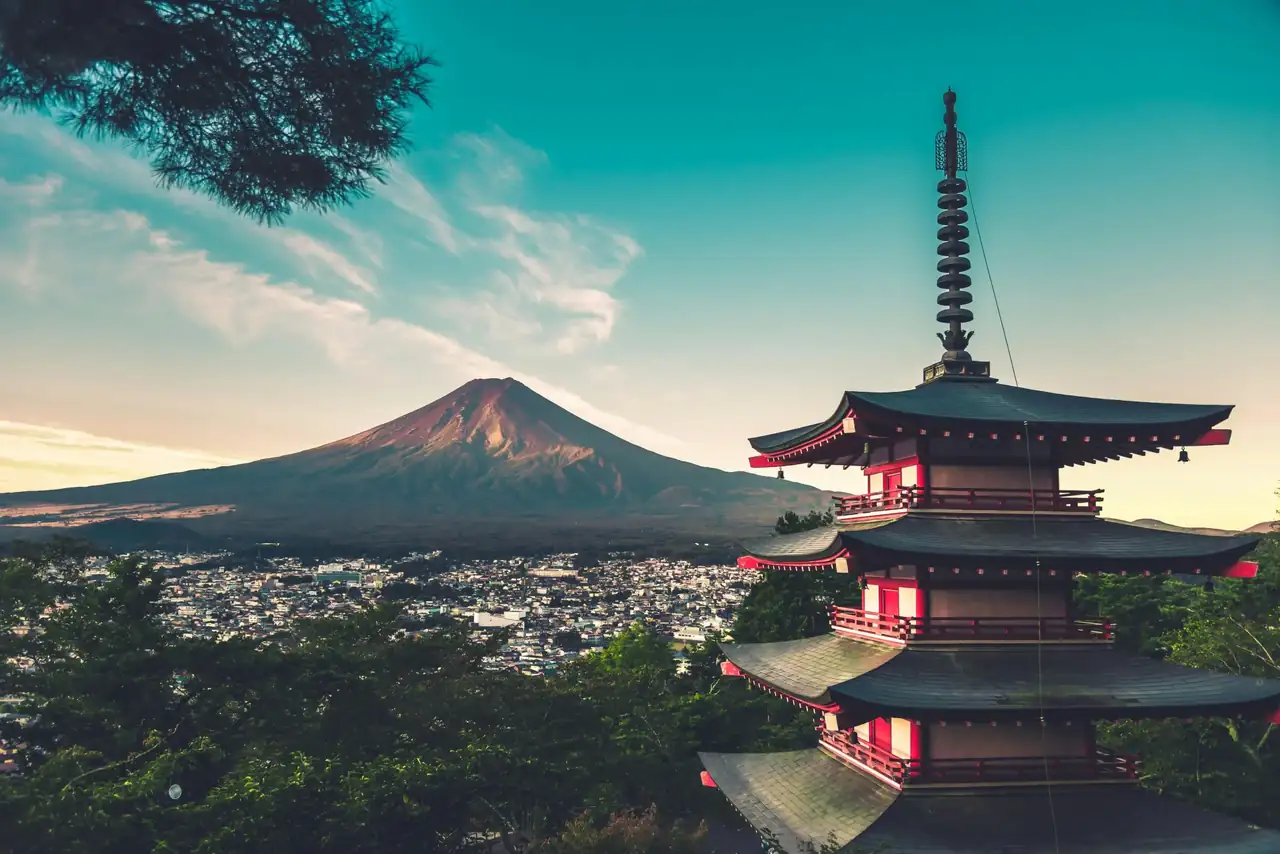
Stretching over 150 kilometers along the Pacific coastline of central Honshu, Shizuoka Prefecture (静岡県) occupies the historic maritime and overland corridor connecting eastern and western Japan. Formed from three ancient feudal provinces—Suruga, Tōtōmi, and the volcanic peninsula of Izu—Shizuoka is geographically blessed. To the north, the prefecture culminates in the jagged Southern Japanese Alps and the soaring southern flank of Mount Fuji; to the south, it meets the Pacific Ocean along the plunging underwater abyss of Suruga Bay, the deepest marine bay in all of Japan.
Historically, Shizuoka served as the strategic heartland of the Tokugawa Shogunate. It was here in Sunpu (modern-day Shizuoka City) that Tokugawa Ieyasu spent his formative youth as a political hostage, governed as lord, and eventually retired to direct the empire as the retired shogun (Ogosho). Today, Shizuoka is globally celebrated as Japan’s green tea capital—producing roughly forty percent of the nation's harvest across manicured emerald hillsides—as well as the hot spring and surf paradise of the Izu Peninsula, the fresh seafood markets of Yaizu and Numazu, and the birthplace of real grated wasabi cultivation. Sliced directly through the center by the Tokaido Shinkansen, Shizuoka is one of the most accessible yet deeply authentic regional destinations in Japan.
Navigating Shizuoka Prefecture: Core Geographic Sectors
Because the prefecture extends horizontally along the Pacific coast and juts southward into the ocean, travel is structured around four distinct geographic corridors:
| Sector | Primary Station Hubs | Landscape & Atmosphere | Key Highlights |
|---|---|---|---|
| Fuji & Eastern Foothills | JR Shin-Fuji / Mishima / Fujinomiya | Volcanic slopes, mineral spring ponds, high-altitude lava waterfalls, Mount Fuji climbing trailheads. | Fujisan Hongū Sengen Taisha, Shiraito Falls, Mishima Skywalk, Mount Fuji World Heritage Centre. |
| Shizuoka Core & Suruga Bay | JR Shizuoka / Shin-Shizuoka / Yaizu | Feudal retirement capital, ancient pine-forested coastlines, deep-sea tuna ports, hillside green tea plantations. | Sunpu Castle Park, Kunōzan Tōshō-gū Shrine, Miho no Matsubara (pine grove), Nihondaira Ropeway. |
| Izu Peninsula (Coast & Highlands) | Atami / Ito / Shimoda / Shuzenji | Volcanic cliffs, historic hot spring bathhouse villages, black-ship treaty ports, white sand surf beaches. | Jogasaki Coast suspension bridge, Shuzenji Onsen, Atami coastal resorts, Perry Road (Shimoda). |
| Western Shizuoka (Lake Hamana) | JR Hamamatsu / Kakegawa | Coastal brackish lagoons, historic post towns, musical instrument factories, feudal samurai keeps. | Lake Hamana eel farms, Hamamatsu Castle, Kakegawa Castle (wooden keep), Nakatajima Sand Dunes. |
Top Things to Do Across Shizuoka
1. Gaze Across the Pine Sands of Miho no Matsubara
Jutting into the waters of Suruga Bay in Shizuoka City, Miho no Matsubara is a seven-kilometer coastal peninsula lined with over thirty thousand ancient, wind-twisted black pine trees. The site has been celebrated in classical Japanese poetry, Noh theatre (the legend of the Hagoromo celestial feather robe), and ukiyo-e woodblock prints by master artists like Utagawa Hiroshige. Standing on the dark volcanic sand beach, visitors look northeast across the crashing white surf to see the monumental snow-capped peak of Mount Fuji rising directly out of the ocean.
Walk down the Kami-no-Michi (Path of the Gods), a peaceful 500-meter elevated wooden boardwalk flanked by centuries-old pines that links the beach to the sacred Miho Shrine. Inside the adjacent Miho Navi cultural center, learn about ongoing coastal conservation efforts to protect the fragile coastal pine forest ecosystem.
2. Ascend to Tokugawa Ieyasu's Resting Place: Kunōzan Tōshō-gū
Perched high on the sheer cliffs of Mount Kunō overlooking Suruga Bay, Kunōzan Tōshō-gū is the original burial site of Shogun Tokugawa Ieyasu. In accordance with his final will, Ieyasu’s remains were interred here immediately following his death in 1616, before a portion of his spirit was enshrined at Nikkō Tōshō-gū in Tochigi a year later.
Approached either by ascending a 1,159-step zig-zagging stone staircase carved into the ocean-facing cliffs or via the scenic Nihondaira Ropeway from the tea-covered plateau above, Kunōzan Tōshō-gū is an architectural masterpiece of early Edo-period Gongen-zukuri design. The timber prayer halls and gates are lacquered in brilliant vermilion, decorated with intricate carvings of birds and mythological beasts, and detailed in pure gold leaf. The adjacent shrine museum houses an extraordinary collection of personal samurai relics belonging to Ieyasu, including his European-made bronze armor clock gifted by the King of Spain.
3. Walk the Sacred Grounds of Fujisan Hongū Sengen Taisha
Located at the southwest foot of the volcano in Fujinomiya, Fujisan Hongū Sengen Taisha is the supreme head shrine among more than 1,300 Sengen shrines across Japan. Founded over two thousand years ago to pacify Mount Fuji's violent volcanic eruptions, the shrine is dedicated to the mountain goddess Konohanasakuya-hime. The current two-story wooden main sanctuary, constructed in 1604 by Tokugawa Ieyasu, features a unique two-tiered architectural design known as Sengen-zukuri.
Within the shrine precinct lies Wakutama-ike (Wakutama Pond), designated a National Special Natural Monument. Fed by melted snow and rainfall filtering deep underground through volcanic basalt layers, hundreds of thousands of liters of crystalline, 13°C (55°F) spring water gush upward from the pond bed every single day, forming the source of the clear Kanda River where climbing pilgrims historically purified themselves before ascending the mountain.
4. Marvel at the Flowing Ribbons of Shiraito Falls
Ranked among Japan's most scenic waterfalls, Shiraito Falls (Shiraito-no-taki) literally translates to the "Waterfall of White Silk Threads." Fed directly by Mount Fuji's volcanic aquifers, the water does not tumble from a single river overhead; instead, subterranean spring water bursts out horizontally along a porous geological fault line between ancient and modern lava strata. The result is a curved, 150-meter-wide semicircular basalt cliff face where hundreds of fine, silk-like white ribbons of crystalline water cascade twenty meters into a turquoise plunge pool below. A short path leads to the adjacent Otodome Falls, a thundering twenty-five-meter vertical plunge on the main river channel.
5. Trek the Volcanic Sea Cliffs of the Jōgasaki Coast
Formed roughly four thousand years ago when an eruption of Mount Omuro poured a sea of molten basaltic lava into the Pacific Ocean, the Jōgasaki Coast on the eastern edge of the Izu Peninsula is a rugged, wave-carved natural spectacle. A nine-kilometer coastal walking trail winds through coastal pine forests and jagged volcanic headlands.
The definitive highlight is the Kadowaki Suspension Bridge (Kadowakizaki Tsuribashi)—a 48-meter-long steel and timber suspension footbridge hanging twenty-three meters directly above a plunging ocean inlet. As visitors cross, crashing Pacific swells roar beneath the planks against the black hexagonal basalt sea cliffs. Climb the adjacent Kadowakizaki Lighthouse for 360-degree ocean views stretching across to the volcanic islands of Izu Oshima.
6. Soak in Literary History at Shuzenji Onsen
Nestled in a peaceful wooded valley in the mountainous interior of the Izu Peninsula along the Katsura River, Shuzenji Onsen is the oldest and most atmospheric hot spring village in Izu. Legend holds that the town was founded in 807 AD when the Buddhist monk Kūkai struck a riverbed boulder with his tokko (sacred Buddhist staff), causing therapeutic geothermal waters to burst forth to cure a local boy’s ailing father (commemorated at the open-air river bath, Tokko-no-yu).
Walk through the serene Bamboo Forest Path (Chikurin no Komichi), a stone-paved walkway bordered by towering green bamboo that leads past red wooden bridges and riverside ryokans. Visit the ancient Zen temple of Shūzen-ji, and explore the town’s connections to Japanese literature; literary masters like Natsume Sōseki and Ryūnosuke Akutagawa retreated here to pen classic works in the quiet mountain mist.
7. Cross the Mishima Skywalk
Stretching four hundred meters across a deep forested ravine on the southwestern foothills of Mount Hakone, the Mishima Skywalk holds title as the longest pedestrian suspension bridge in Japan. Suspended seventy meters in the air, the bridge was engineered with an open-mesh walking deck that allows wind to pass through smoothly. On clear mornings, walking across the bridge provides a panoramic three-point view: the symmetrical snow-capped peak of Mount Fuji directly to the north, the deep blue waters of Suruga Bay to the south, and rolling green mountain passes all around.
Shizuoka Terroir: Green Tea Terroir, Grated Wasabi & Suruga Bay Catch
Blessed with pure volcanic snowmelt runoff, warm Pacific breezes, and the oceanic trenches of Suruga Bay, Shizuoka boasts an agricultural and seafood pedigree second to none:
- Shizuoka Sencha & Matcha: Shizuoka produces roughly forty percent of all the green tea grown in Japan. Cultivated on the rolling highland plateaus of Makinohara and the misty river valleys of Kawane, local tea masters specialize in Fukamushi-cha (Deep-Steamed Green Tea). By steaming the freshly plucked green tea leaves twice as long as standard Sencha, the plant cells break down completely, yielding an opaque, emerald-green liquor characterized by rich umami, low bitterness, and a smooth, sweet vegetal finish.
- Authentic Hon-Wasabi: Shizuoka is the historical birthplace of commercial wasabi cultivation, established in the Utogi valley in 1599. Unlike the artificial green-dyed horseradish paste served globally, true wasabi (hon-wasabi) is an aquatic perennial plant that can only survive in cool, crystal-clear, oxygen-saturated gravel mountain stream beds (tatami-ishi style). When fresh wasabi rhizomes are grated in circular motions across a traditional sharkskin grater (oroshiki), volatile allyl isothiocyanates are released, producing an exquisite, complex heat that bursts with bright botanical sweetness and zero lingering burn. Sample it grated over hot rice with katsuobushi flakes (Wasabi-don) or atop fresh sashimi.
- Sakura Ebi & Shirasu (Suruga Bay Delicacies): Because Suruga Bay plunges to depths exceeding 2,500 meters, it is the only place in Japan where Sakura Ebi (Cherry Blossom Shrimp) are harvested. These tiny, translucent pink deep-sea shrimp are sweet and fragrant, traditionally deep-fried with thinly sliced onions into light, golden, crispy tempura fritters (Kakiage). Pair this with Raw Shirasu (Baby Whitebait), served freshly caught over bowls of sushi rice in the fishing harbor of Mochimune.
- Unagi (Lake Hamana Freshwater Eel): Lake Hamana in western Shizuoka is the birthplace of commercial eel aquaculture in Japan, cultivating unagi in mineral-rich brackish waters since 1891. Prepared over binchōtan charcoal grills, Shizuoka sits directly on the culinary dividing line between Kanto and Kansai eel cooking: in eastern Shizuoka, the eel is steamed before grilling to achieve melting tenderness (Kanto style); in western Shizuoka around Hamamatsu, it is grilled directly over high heat for a crisp, charred skin (Kansai style).
- Hamamatsu Gyoza: The fiercest rival to Utsunomiya for the national title of Japan's dumpling capital. Pan-fried on flat iron griddles in a circular wheel pattern, Hamamatsu gyoza are packed primarily with sweet local cabbage, onions, and ground pork. When inverted onto the serving plate, the center of the dumpling ring is crowned with a mound of crisp, refreshing boiled bean sprouts, used as a palate cleanser between bites.
- Shizuoka Oden: A distinct regional soul food. Skewered beef tendon, black fish cakes (kuro-hanpen, made from ground sardines and mackerel), daikon radish, and boiled eggs are simmered for days in an intensely dark, rich broth flavored with beef sinew and dark soy sauce. Served piping hot, dusted with dashiko (a powder of ground dried sardines and aonori seaweed) and dabbed with spicy yellow mustard. Stroll down Aoba Oden Gai in downtown Shizuoka to eat at tiny, nostalgic six-seat wooden stalls.
Transportation: Tokaido High-Speed Rail & Scenic Private Trains
Shizuoka is positioned directly along Japan's primary transit spine, making it remarkably simple to navigate:
- Tokaido Shinkansen (Bullet Train Spine):
- Six Shinkansen stations span the prefecture from east to west: Atami, Mishima, Shin-Fuji, Shizuoka, Kakegawa, and Hamamatsu.
- Kodama & Hikari Trains: High-speed bullet trains link Tokyo Station to Shizuoka City in roughly 60 minutes (via Hikari) or 85 minutes (via Kodama). (Fully covered by the nationwide JR Rail Pass).
- Important Caveat: The ultra-fast Nozomi trains bypass all Shizuoka stations; always board Hikari or Kodama services when traveling to Shizuoka.
- Navigating the Izu Peninsula:
- JR / Izu Kyuko Line: The JR Limited Express Odoriko runs directly from Tokyo Station through Atami and down the eastern coast of the Izu Peninsula all the way to Izukyu-Shimoda without changing trains.
- Izu Hakone Railway: Operates from Mishima Station into the central mountain hot spring enclave of Shuzenji.
- Oigawa Railway (Steam Locomotives & Alpine Gorge): A must for railway buffs. Operates vintage working steam locomotives (SL) through the tea valleys of central Shizuoka, connecting to the southern-most rack-and-pinion Abt-system mountain railway (Ikawa Line) crossing dramatic steel bridges over the emerald waters of Lake Okuoi.
- Digital Transit Cards (IC Cards): Major train stations, Tokaido Line trains, and city buses fully accept digital Suica, Pasmo, and ICOCA cards loaded on smartphones. Note: Rural bus lines on the western coast of Izu and the Oigawa Railway may require cash or regional transit passes.
Where to Stay in Shizuoka: Strategic Base Camps
| Base Hub | Vibe & Atmosphere | Transit Connections | Accommodation Strategy |
|---|---|---|---|
| Shizuoka City (Station Core) | Practical provincial capital, castle history, bustling evening oden alleys, green tea shops. | Tokaido Shinkansen (Hikari/Kodama); JR Tokaido Main Line. | High density of modern, efficient Japanese business hotels (multiple central APAs), railway towers, corporate lodgings. |
| Atami & Eastern Izu Coast | Bustling seaside hot spring resort, ocean promenades, seafood banquets, fireworks festivals. | Tokaido Shinkansen stop; JR Tokaido Line; Izu Kyuko Line. | Oceanfront hot spring mega-resorts, mid-century retro ryokans, modern luxury seaside apartments. |
| Shuzenji Onsen (Central Izu) | Quiet mountain solitude, bamboo groves, mist-covered rivers, literary heritage. | Izu Hakone Railway terminus; mountain bus interchange. | Authentic luxury hot spring ryokans featuring private open-air cedar onsen baths and seasonal multi-course kaiseki banquets. |
| Fujinomiya & Mishima | Gateway to Mount Fuji's southern base, pristine spring water streams, uncrowded streets. | JR Tokaido Line; JR Minobu Line; Mishima Shinkansen hub. | Clean, cost-effective station-front business hotels; excellent jumping-off point for early-morning Fuji photography. |
| Hamamatsu Core | Manufacturing hub, musical instrument museums, lakeside resort access, gyoza dining. | Tokaido Shinkansen stop; Entetsu Line. | Modern high-rise commercial hotels, practical business properties, lakeside onsen hotels around Lake Hamana. |
Climbing Mount Fuji: Logistics for the Shizuoka Trails
While Yamanashi hosts the popular Yoshida Trail, Shizuoka Prefecture manages three of the four official summit routes ascending Mount Fuji's southern and eastern slopes:
- Official Climbing Season: Strictly regulated from July 10 through September 10 annually. Outside these summer dates, mountain huts, rescue facilities, and public trailheads are closed; attempting off-season winter climbs is life-threatening due to sheer ice sheets, gale-force winds, and falling rocks.
- The Three Shizuoka Climbing Routes:
- Fujinomiya Trail: The shortest route to the summit (starting at the 5th Station at 2,400m elevation). Steeper and rockier than the Yoshida Trail, the ascent takes roughly 4 to 6 hours; the descent follows the same rocky path. It is the closest trailhead to Kengamine, the highest geographical point in Japan (3,776m).
- Subashiri Trail: Begins on the eastern slope at 1,970m elevation. The lower trail winds through dense forest before meeting the Yoshida Trail near the 8th station. The descent features the famous Sunabashiri (Sand Run), where hikers slide down a steep volcanic scree and ash field in giant strides.
- Gotemba Trail: The longest and most demanding route, starting at just 1,440m elevation. Involves roughly 7 to 9 hours of strenuous climbing across barren volcanic moonscapes; recommended only for experienced high-endurance trekkers.
- Safety & Regulations: Shizuoka enforces mandatory climber management protocols, including trail entry fees and climber health tracking to eliminate dangerous "bullet climbing." Booking an official mountain hut months in advance is required to rest safely before attempting a pre-dawn summit trek to witness Goraikō (sunrise).
Best Seasons to Visit Shizuoka
- Spring (Late March to Mid-April): A breathtaking season of cherry blossoms. Somei-yoshino cherry trees bloom along the moats of Sunpu Castle and Kakegawa Castle. In early spring (late January to February), the coastal town of Kawazu on the southern Izu Peninsula hosts the celebrated Kawazu Cherry Blossom Festival, where eight thousand early-blooming, dark pink cherry trees bloom along the riverbanks alongside golden yellow canola flowers.
- Late Spring (Late April to May): The premier green tea plucking season (Shincha / First Harvest). The rolling terraced hillsides of Makinohara, Nihondaira, and Fuji City turn an electric, luminous emerald green as fresh tea buds are harvested, set against clear views of Mount Fuji.
- Autumn (October to Late November): The most comfortable weather for outdoor exploration. Crisp, sunny skies, low humidity, and mild daytime temperatures averaging 15°C to 20°C (59°F–68°F). The maple trees around Shuzenji Onsen’s bamboo paths and the Sumatakyo Gorge in the Southern Alps blaze in fiery crimson and gold.
- Winter (December to February): Cool, crisp, and sunny. While temperatures average 4°C to 12°C (39°F–54°F), winter brings the absolute clearest skies of the entire year—offering an almost 85% probability of viewing Mount Fuji with its heavy winter snow cap from Miho no Matsubara and the Nihondaira plateau. Winter is also the peak season to soak in outdoor seaside onsens in Atami and feast on seasonal Suruga Bay seafood.
- Summer (July to August): The active mountain and ocean sports season. Official climbing season opens on Mount Fuji, while surfers and beachgoers flock to the white sand beaches of Shimoda (such as Shirahama Beach). Summer evenings bring lively fireworks festivals over Atami Bay.


 山梨
山梨 長野
長野 石川
石川 岐阜
岐阜 愛知
愛知 富山
富山 新潟
新潟 福井
福井