

On this page
Gifu Travel Guide: Alpine Peaks, Thatched Farmhouses & Samurai History
Positioned squarely in the geographical heart of Honshu, Gifu Prefecture (岐阜県) is a dramatic landlocked region where soaring mountain ranges, pristine alpine rivers, and ancient feudal trade routes converge. Historically divided into two distinct cultural and topographic zones—the rugged, forested Hida region in the north and the river-veined, fertile Mino region in the south—Gifu has served as a critical crossroads of Japanese history. It was across Gifu’s strategic plains and mountain passes that samurai warlords fought for national supremacy, most famously culminating in the decisive 1600 Battle of Sekigahara, which paved the way for the Tokugawa shogunate.
For modern travelers, Gifu offers an exceptional escape into traditional Japanese aesthetics that have largely vanished from the mega-cities. From the steep, snow-shedding thatched roofs of the UNESCO World Heritage village of Shirakawa-go and the preserved merchant streets of feudal Takayama to the restorative thermal waters of Gero Onsen and the crystal-clear currents of the Nagara River, Gifu delivers an authentic immersion in mountain heritage, world-class Hida wagyu beef, and timeless rural craftsmanship.
Navigating Gifu: Key Geographic Sectors
Gifu’s massive terrain is shaped by rugged mountain topography, making it essential to understand its cardinal travel regions and transport links:
| Sector | Primary Station Hubs | Landscape & Atmosphere | Key Highlights |
|---|---|---|---|
| Hida Region (Northern Alps) | JR Takayama / Hida-Furukawa | High alpine peaks, deep snow country, preserved Edo-period merchant towns, dramatic thatched-roof farm villages. | Takayama Old Town (Sanmachi Suji), Shirakawa-go, Okuhida Onsen villages, Hida-Furukawa. |
| Central Gifu & Nagara River | JR Gifu / Gero Onsen | Basin river valleys, historic cormorant fishing waters, world-famous hot spring resort towns, sword-making heritage. | Gifu City (Gifu Castle, Nagara River Ukai), Gero Onsen, Seki City (blade smiths). |
| Mino & Southern Basin | Mino-Ota / Tajimi | Historic paper-making towns, preserved castle-town water channels, feudal battlefields, ceramic kilns. | Gujo Hachiman, Mino traditional paper district, Sekigahara Battlefield, Iwamura. |
| Kiso Valley Gateway (Southwest) | Nakatsugawa / Magome | Steep river canyons, ancient samurai footpaths, preserved stone-paved Nakasendo post towns. | Magome-juku, Enakyo Gorge, historic chestnut confectionery towns. |
Top Things to Do Across Gifu
1. Step Back in Time at the Thatched Villages of Shirakawa-go
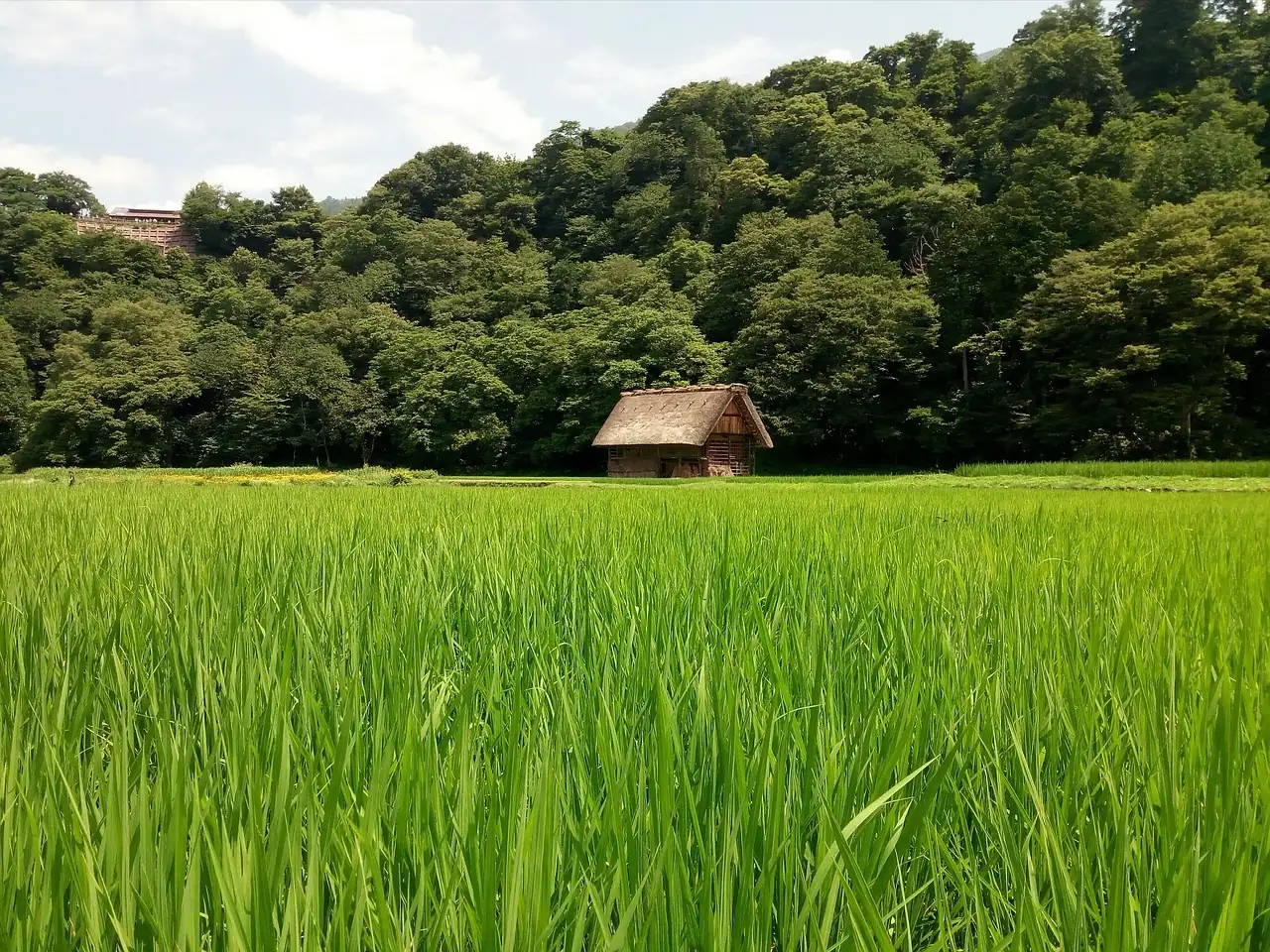
Tucked deep in the remote Shogawa River valley of northern Gifu, the historic alpine villages of Shirakawa-go (specifically the main settlement of Ogimachi) and neighboring Gokayama are world-famous for their authentic Gasshō-zukuri ("constructed like hands in prayer") farmhouses. Built to withstand several meters of heavy winter snowfall, these massive timber structures feature steep 60-degree thatched roofs crafted entirely without nails. The expansive attic spaces were historically utilized for sericulture (silkworm cultivation), heated by smoke rising from traditional hearths (irori) below.
Designated a UNESCO World Heritage site in 1995, Shirakawa-go remains a living community where residents farm rice fields and maintain the fragile thatched roofs cooperatively. Climb up to the Ogimachi Viewpoint for a classic panoramic photograph overlooking the clustered farmhouses. For an immersive experience, visitors can arrange overnight stays inside authentic Gasshō-zukuri guesthouses or visit open-air folk museums like the Wada House.
2. Explore the Feudal Merchant Streets of Takayama (Sanmachi Suji)
Often referred to as "Little Kyoto," the mountain city of Takayama preserves one of the most intact Edo-period merchant districts in Japan. Centered around the Sanmachi Suji historic quarter, narrow streets are lined with dark timber buildings featuring overhanging eaves, merchant lattices, and wooden sake brewery balls (sugidama) hanging above doorways. Many buildings have operated continuously for centuries as sake breweries, miso makers, craft shops, and morning market stalls.
Key highlights include the Takayama Jinya—the only remaining provincial government office (daibanjo) from the samurai era left intact in Japan—and the morning markets (asaichi) held daily along the Miyagawa River, where local farmers and artisans sell fresh produce, wild mountain vegetables, and handmade wooden crafts.
3. Soak in the Thermal Waters of Gero Onsen
Nestled in a picturesque river valley halfway between Nagoya and Takayama, Gero Onsen has been celebrated for over a thousand years as one of Japan's "Three Best Hot Springs" (Nihon Sanmeisen). Famed for its exceptionally smooth, alkaline-simple thermal waters that leave skin feeling silky and restored, the town is packed with historic public bathhouses, open-air footbaths (ashi-yu) fed by natural thermal spouts, and riverside rotenburo baths overlooking the Hida River.
4. Wander the Waterways and Castles of Gujo Hachiman
Perched where three mountain rivers converge in central Gifu, Gujo Hachiman is a pristine castle town renowned for its intricate network of stone-lined canals and running water channels (mizunokoji) originally engineered in the Edo period for fire prevention and daily community life. Tour the reconstructed white-walled Gujo Hachiman Castle perched atop a steep hill, and visit the historic Yamada Yoshio water gate (Sozuya). The town is also the spiritual capital of Gujo Odori, a traditional Bon folk dance festival that runs for over thirty nights every summer, culminating in a legendary four-day all-night dancing marathon in mid-August.
5. Stand on the Decisive Battlefield of Sekigahara
For history enthusiasts, the town of Sekigahara in southwestern Gifu marks the exact site of Japan's most monumental feudal battle. On October 21, 1600, over 160,000 samurai warriors clashed across these agricultural fields in a conflict led by Tokugawa Ieyasu against rival daimyo coalitions. Today, the battlefield is mapped out with walking trails connecting the historic encampment sites of key generals, monuments, and the state-of-the-art Sekigahara Battlefield Memorial Museum, which offers immersive audio-visual exhibits detailing the strategies and shifting alliances of the day.
6. Witness Ancient Cormorant Fishing (Ukai) on the Nagara River
For 1,300 years, the crystal-clear waters of the Nagara River in Gifu City have hosted Ukai (traditional cormorant fishing). Operating from May 11 to October 15 each year, master fishermen known as ushō—wearing traditional dark robes, straw skirts, and headwraps—steer wooden flat-bottomed boats down the river at night by the light of blazing iron cressets (kagari-bi). Using precise leashes, the handlers direct trained cormorants to dive into the river and catch sweetfish (ayu), deftly retrieving the fish without harming the birds. Visitors board traditional spectator boats to glide alongside the fishing action.
Gifu Food Culture: Hida Wagyu, River Sweetfish & Miso Soul Food
Gifu’s diverse geography—spanning high mountain pastures, icy alpine streams, and fertile river basins—has forged a robust, deeply comforting culinary tradition rooted in local terroir:
Hida Beef (Hida-gyū): Gifu’s premier culinary crown jewel. Certified Japanese Black cattle raised in the pristine mountain environment of the Hida region develop exquisite, fine-grained marbling that yields a rich, buttery, melt-in-the-mouth texture. Savor it grilled over charcoal at yakiniku counters, seared as delicate sushi, simmered in rich sukiyaki, or served as melt-in-your-mouth steak.
Ayu (Nagara River Sweetfish): Fed by the pristine, unpolluted snowmelt of the Nagara River (recognized as a Globally Important Agricultural Heritage System), wild sweetfish possess a clean, delicate, melon-like aroma. Traditionally seasoned simply with coarse sea salt and grilled whole over hot charcoal embers so the skin becomes crisp and the flesh remains tender.
Hoba Miso: A beloved mountain comfort dish characteristic of traditional Hida ryokans. Thick, savory local miso paste mixed with leeks, shiitake mushrooms, and fragments of Hida beef is placed atop a dried magnolia leaf (hoba) and gently warmed over a tabletop ceramic brazier (shichirin) until the leaf oils impart a rich, smoky aroma to the bubbling miso.
Keichan (Miso-Marinated Chicken Stir-Fry): Originating as agrarian soul food in Gifu's mountain communities, bite-sized pieces of chicken and cabbage are marinated in a potent garlic, soy, and miso sauce, then stir-fried together at the table on a hot iron plate. The resulting caramelized bits sticking to the hotplate are intensely savory.
Takayama Ramen (Hida Ramen): Unlike pork-bone-heavy southern broths, Takayama ramen features a clear, highly aromatic soup brewed from a slow-simmered blend of chicken bones, local vegetables, katsuobushi, and shoyu soy sauce, paired with fine, curly noodles that absorb the savory broth.
Transportation: Rail Lines & Mountain Bus Networks
Traveling through Gifu requires combining high-speed trunk rail lines with scenic regional express trains and mountain highway buses:
Nagoya as the Primary Gateway: Nagoya serves as the central transport hub for entering Gifu Prefecture. From Tokyo or Osaka, board the Tokaido Shinkansen to Nagoya Station in roughly 1 hour 40 minutes.
JR Takayama Line: From Nagoya Station, board the scenic JR Hida Limited Express train, which winds northward along river canyons directly into Gifu Prefecture, stopping at Gero Onsen (approx. 90 minutes) and Takayama (approx. 2 hours 20 minutes).
Connecting to Shirakawa-go: Because no direct rail lines cross the high mountain passes to Shirakawa-go, travelers take the frequent Nohi Highway Express Buses departing directly from Takayama Bus Terminal (approx. 50 minutes) or Kanazawa Station (approx. 75 minutes).
Digital Transit Cards (IC Cards): Major urban stations (JR Gifu, Nagoya) fully accept digital Suica, Pasmo, and ICOCA smartphone cards. However, rural bus lines, regional private railways, and mountain ropeways often require cash, credit cards, or paper tickets purchased at station terminals.
Where to Stay in Gifu: Strategic Base Camps
| Base Hub | Vibe & Atmosphere | Transit Connections | Accommodation Strategy |
|---|---|---|---|
| Takayama Station Core | Historic mountain town buzz, walking distance to morning markets and Sanmachi Suji. | JR Hida Limited Express terminus; regional Nohi bus hub for Shirakawa-go and Kamikochi. | Modern Japanese business hotels (including central APAs), boutique traditional ryokans, heritage guesthouses. |
| Gero Onsen Town | Classic thermal hot spring resort village, riverside stone paths, restorative mineral baths. | JR Hida Limited Express stop between Nagoya and Takayama. | Historic luxury hot spring ryokans featuring private open-air baths (rotenburo) and multi-course Hida beef kaiseki banquets. |
| Shirakawa-go Village | Peaceful alpine farming seclusion, absolute night quiet once day-tourists depart. | Nohi bus connections from Takayama, Kanazawa, and Takaoka. | Authentic family-run Gasshō-zukuri farmstay minshuku (advance booking required). |
| Gifu City Center | Bustling provincial capital, riverside parks, castle illumination views. | Tokaido Main Line; short transfer from Nagoya. | Efficient, high-value business hotels, modern corporate railway towers. |
Best Seasons to Visit Gifu
Autumn (Late September to Early November): The premier season for visual splendor. The forested gorges of Gifu—including the Shogawa River valley around Shirakawa-go, Korankei, and the mountain passes above Takayama—blaze in brilliant shades of amber, gold, and crimson. Crisp, clear days make exploring castle towns and hiking trails exceptionally comfortable.
Winter (December to March): A breathtaking snowy wonderland. Temperatures regularly drop below freezing (-2°C to -8°C / 28°F–18°F), blanketing the thatched roofs of Shirakawa-go in thick white powder. On select winter weekends, Shirakawa-go hosts magical evening light-up events (illumination nights) where the farmhouses glow against the dark snowscape.
Spring (Mid-April to May): Mild sightseeing weather averaging 15°C to 20°C (59°F–68°F). Cherry blossoms bloom late across the mountain basins of Hida, framing Takayama’s historic bridges and the moats of Gifu Castle. Spring also marks the opening of the famous Takayama Spring Festival (Sanno Matsuri) on April 14–15, featuring magnificent, elaborately carved festival floats (yatai) paraded through the old town.
Summer (June to August): Lively and festive. While days in the southern Mino basin can be warm, the mountain highlands offer a refreshing escape. Summer brings the nightly Nagara River Ukai cormorant fishing season and the energetic weeks of the Gujo Odori dance festival, where locals and visitors dance together through the cobblestone streets until dawn.


 山梨
山梨 長野
長野 石川
石川 愛知
愛知 静岡
静岡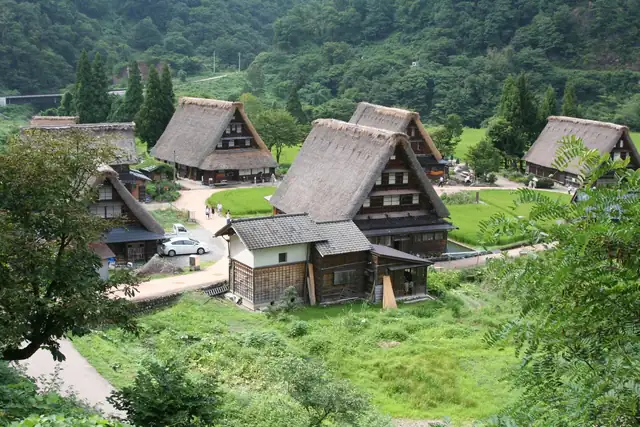 富山
富山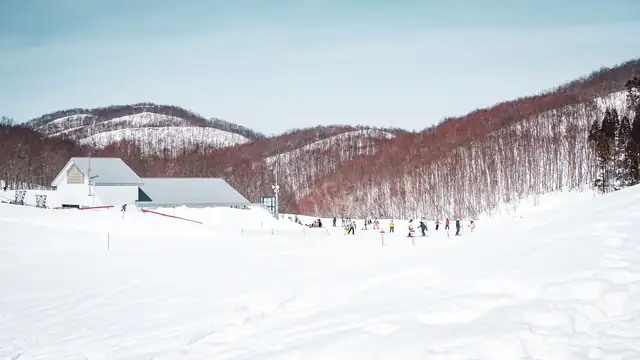 新潟
新潟 福井
福井