

On this page
Saitama Travel Guide: Edo Storehouses, Chichibu Shrines & Subterranean Temples
Positioned immediately north of Tokyo in the central Kanto Basin, Saitama Prefecture (埼玉県) is often casually pigeonholed as a quiet residential commuter belt for the metropolis. Historically part of Musashi Province, this landlocked expanse of alluvial plains, meandering rivers, and forested mountain ridges has long served as Tokyo's vital agricultural backbone and cultural sanctuary. From the winding waterways of the Arakawa and Tone rivers to the rugged limestone massifs of the Okuchichibu mountain range, Saitama bridges dense metropolitan connectivity with ancient nature veneration and living Edo preservation.
For travelers, Saitama offers an exceptional, low-friction escape from central Tokyo. Its historic jewel, Kawagoe (affectionately dubbed Koedo, or "Little Edo"), preserves dense rows of fire-resistant black-clay merchant storehouses and century-old candy alleys just thirty minutes from Ikebukuro. Further west, the mountain redoubt of Chichibu and the crystal-clear rapids of Nagatoro showcase thousand-year-old Shinto pilgrimage sanctuaries, river punting through geological rock terraces, and the winter wonder of natural icicle fields. Below the eastern plains lies one of the world's most astonishing civil engineering feats: the colossal subterranean flood chambers of G-Cans. Supported by an intricate rail network of JR lines and private commuter railways, Saitama delivers a rich cultural and outdoor escape on Tokyo's doorstep.
Navigating Saitama Prefecture: Core Geographic Sectors
Saitama divides into four distinct travel corridors radiating outward from the capital grid toward the western mountains:
| Sector | Primary Station Hubs | Landscape & Atmosphere | Key Highlights |
|---|---|---|---|
| Kawagoe & Southern Heritage | Hon-Kawagoe / Kawagoe / Kawagoeshi | Preserved Edo merchant townscape, clay-walled storehouse streets, bell towers, candy alleys, sweet potato culture. | Kurazukuri Street, Toki no Kane (Bell of Time), Kita-in Temple, Kashiya Yokocho, Kawagoe Hikawa Shrine. |
| Chichibu Basin & Nagatoro (West) | Seibu-Chichibu / Ohanabatake / Nagatoro | Rugged river valleys, sheer crystalline schist rock terraces, mountain pilgrimage shrines, pink moss hillsides. | Nagatoro Iwadatami & River Boating, Chichibu Shrine, Mitsumine Shrine, Hitsujiyama Park (Shibazakura), Ashigakubo Icicles. |
| Saitama City & Urban Core | JR Ōmiya / Urawa / Saitama-Shintoshin | Major railway hub, modern convention arenas, miniature tree gardens, ancient provincial Shinto shrines. | The Railway Museum, Ōmiya Bonsai Village, Hikawa Shrine (Musashi Ichinomiya), Saitama Super Arena. |
| Eastern Plains & Underground Wonders | Minami-Kasukabe / Kasukabe / Gyōda | Vast alluvial river basins, colossal subterranean flood engineering vaults, ancient lotus marshes, water castles. | Metropolitan Area Outer Underground Discharge Channel (G-Cans), Oshi Castle (Gyōda), Ancient Lotus Park. |
Top Things to Do Across Saitama
1. Step into the Edo Period on Kawagoe's Kurazukuri Street
Located just thirty minutes northwest of central Tokyo, Kawagoe earned its moniker Koedo ("Little Edo") because it was a prosperous river-trading hub that supplied timber, sweet potatoes, and textiles directly to the shogun’s capital via the Shingashi River. Following a devastating blaze in 1893 that destroyed a third of the old town, wealthy merchants rebuilt their estates using traditional Kurazukuri architecture—multi-layered, fire-resistant timber storehouses coated in thick, black-polished clay plaster, fitted with heavy fire shutters and ornate ceramic tile roofs.
The main preservation street (Ichibangai) is lined with these imposing merchant mansions, now housing tea salons, craft shops, and knife smiths. Rising sixteen meters above the street stands Toki no Kane (The Bell of Time), a three-story timber bell tower originally erected in the early seventeenth century by daimyo Sakai Tadakatsu. The tower's bell still chimes four times daily (at 6:00 AM, 12:00 PM, 3:00 PM, and 6:00 PM), echoing across the tiled rooftops.
Just behind the main street lies Kashiya Yokocho (Candy Alley), a nostalgic flagstone lane where traditional confectioners have hand-pulled colorful hard candies, sweet potato chips, and giant caramelized wheat puffs (Fugashi) since the Meiji and Taisho eras.
---
2. Explore Shogunal Relics at Kita-in Temple
Established in 830 AD by Buddhist monk Jikaku Daishi (Ennin), Kita-in is a prominent Tendai Buddhist temple that enjoyed close political ties to the Tokugawa shogunate under its abbot, Tenkai. When a major fire damaged the temple in 1638, the third shogun, Tokugawa Iemitsu, dismantled portions of the inner palace of Edo Castle and transported them upriver to Kawagoe to rebuild Kita-in.
Because the original Edo Castle was destroyed by subsequent fires and wartime bombing, Kita-in contains the only surviving original palace rooms of Edo Castle in existence, including the reception hall where Shogun Iemitsu was born and the dressing chambers of Lady Kasuga, his influential nursemaid. In a secluded courtyard within the temple grounds sit the Gohyaku Rakan (Five Hundred Disciples of Buddha)—540 unique stone statues carved between 1782 and 1825, each depicting an individualized facial expression, posture, and companion animal.
3. Ride the Whitewater Rapids of Nagatoro through the Iwadatami Rocks
Carving a turquoise path through the mountain foothills of northwestern Saitama, the Arakawa River cuts through the dramatic geological gorge of Nagatoro. The western bank is flanked by the Nagatoro Iwadatami, a magnificent 500-meter-long natural geological terrace of crystalline schist rock that resembles hundreds of stacked tatami mats, designated a National Special Natural Monument.
Visitors board traditional wooden flat-bottomed punting boats for the Nagatoro River Line Cruise (Nagatoro Line Kudari). Skillful boatmen use long bamboo poles to steer passengers through mild ripples and roaring whitewater rapids beneath towering rock bluffs that burst into vivid crimson and gold maple foliage each autumn. A short distance away, the Hodosan Ropeway climbs Mount Hodo to a peaceful mountaintop Shinto shrine and seasonal plum and winter-sweet groves.
---
4. Descend into the Subterranean Cathedral: G-Cans
Hidden fifty meters beneath the flat suburban agricultural fields of Kasukabe lies one of the most astonishing civil engineering wonders on earth: the Metropolitan Area Outer Underground Discharge Channel, universally known as G-Cans. Constructed over thirteen years between 1993 and 2006, this colossal flood-diversion system intercepts swollen overflow waters from five regional rivers during typhoons, routing floodwaters through a 6.3-kilometer subterranean tunnel into the wide Edogawa River.
The centerpiece of public guided tours is the cavernous Pressure-Adjusting Water Tank, nicknamed the "Underground Temple" (Chika Shinden). Measuring 177 meters long, 78 meters wide, and 18 meters high, this echoing concrete vault is supported by fifty-nine monumental concrete pillars, each weighing five hundred tons and standing eighteen meters tall. Walking across the damp concrete floor beneath dim industrial floodlights feels like traversing a sci-fi set or a monumental subterranean Greek cathedral.
---
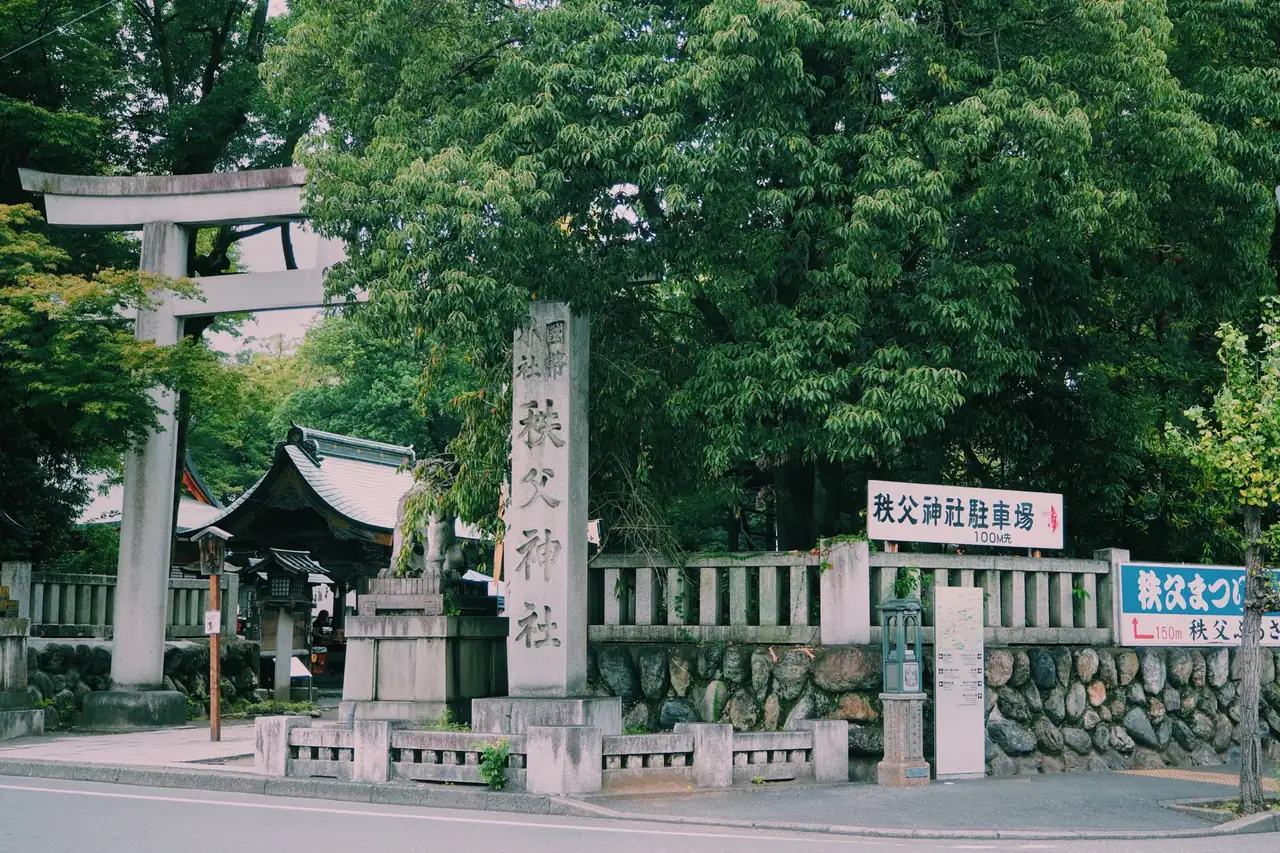
5. Trek to the Mountain Mist of Mitsumine Shrine
Perched 1,100 meters high atop the densely forested, mist-covered ridges of the Okuchichibu Mountains, Mitsumine Shrine (Mitsumine Jinja) is one of the most spiritually charged Shinto sanctuaries in eastern Japan. Founded according to legend by the mythological prince Yamato Takeru, the shrine is dedicated to the creator deities Izanagi and Izanami.
Unlike standard Shinto shrines guarded by stone lion-dogs (komainu), Mitsumine is guarded by carved mountain wolves (Ōkami), historically revered by mountain villagers as divine messengers who protected crops and homes from wild boars and fire. The approach passes through a rare Mitsutorii (a unique triple torii gate constructed from three interconnected wooden portals) beneath towering ancient cedars over eight hundred years old. The main hall is a masterwork of ornate late-Edo decorative craftsmanship, lacquered in vivid vermilion, gold, and mineral pigments depicting dragons, mythical birds, and Chinese sages.
6. Admire Living Bonsai Sculptures in Ōmiya
Following the catastrophic 1923 Great Kanto Earthquake, master nurserymen and bonsai gardeners from downtown Tokyo relocated to the fertile, open agricultural lands of northern Saitama to establish the Ōmiya Bonsai Village (Bonsai-mura). The peaceful residential neighborhood remains the global capital of bonsai cultivation, housing world-renowned private nurseries such as Mansei-en, Seikō-en, and Fuyō-en.
At the center of the district sits the Omiya Bonsai Art Museum, the world's first publicly operated museum dedicated exclusively to bonsai. The museum displays dozens of living masterworks rotated according to the seasons, including ancient Japanese white pines, junipers, and maples over five hundred to one thousand years old, explaining viewing aesthetics such as Jin (deadwood branches), Shari (exposed trunk wood), and the relationship between the miniature tree and its glazed ceramic pot.
7. Walk the Carpet of Pink Moss at Hitsujiyama Park
Sprawling across the rolling foothills of Mount Bukō in southern Chichibu, Hitsujiyama Park is celebrated nationwide for its Shibazakura no Oka (Moss Phlox Hill). Every spring from mid-April through early May, over 400,000 flowering moss phlox plants blanket roughly 17,600 square meters of hillside terraces.
Nine distinct varieties of pink, white, lavender, and violet moss phlox are planted in undulating geometric ribbons and curves inspired by the traditional patterns of local Chichibu Meisen silk textiles. Walking along the hillside footpaths provides a sweeping visual contrast: glowing pink floral carpets in the foreground framed against the jagged, terraced limestone quarry face of sacred Mount Bukō rising in the distance.
Saitama Food Culture: Sweet Potatoes, Eel & Musashino Udon
Saitama’s fertile agricultural basins, cool mountain streams, and proximity to Tokyo’s historic markets shaped a hearty, comforting regional food culture focused on noodles, root crops, and river catches:
- Musashino Udon: The signature soul food of western Saitama and the Musashino plateau. Unlike smooth, delicate noodles, Musashino udon features thick, rustic, hand-kneaded wheat noodles crafted from local whole wheat flour, giving them a distinct grayish-brown color and an intensely firm, chewy texture (koshi). The noodles are served chilled on bamboo colanders, dipped into a piping-hot, concentrated bonito-and-soy broth loaded with thinly sliced pork belly, fried tofu skins (aburaage), and sweet scallions (a style known as Niku-jiru Udon).
- Kawagoe Sweet Potatoes (Satsumaimo): In the late Edo period, baking sweet potatoes into hot, inexpensive snacks became a culinary craze across the capital, and Kawagoe emerged as the prime supplier, celebrated under the pun "Kuri yori umai jūsan-ri" ("Thirteen leagues from Edo, tastier than chestnuts"). Today, Kawagoe’s streets are a paradise of sweet potato innovations: sweet potato soft-serve ice cream, thick-cut sweet potato chips (Osatsu Chips) drizzled with salt or honey, purple sweet potato dumplings, and even craft beer brewed with sweet potatoes (COEDO Beniaka).
- Urawa & Kawagoe Unagi (Freshwater Eel): Dating back over two centuries, freshwater eel caught in the swampy river channels around Urawa and Kawagoe became a culinary staple for travelers along the Nakasendo highway. When wild catches declined, local chefs refined the craft of steaming and charcoal-grilling eel over hot binchōtan embers, lacquering the fillets in savory-sweet aged tare glazes. Urawa Station even features a bronze statue of its local mascot, Unagi-ko-chan, designed by anime pioneer Takashi Yanase.
- Chichibu Miso Pork (Buta Miso-don): A rustic mountain comfort dish originating in the Chichibu valleys, where wild boar and pork were historically preserved in local fermented miso. Tender slices of pork loin or belly are marinated in a blend of rich local barley miso, sake, and mirin, then charcoal-grilled over high flame until the edges caramelize and blister. Served over a steaming bowl of white rice, the smoky, savory miso glaze permeates the grains.
- Sōka Senbei: Originating in Sōka City along the historic Nikko Kaidō post road, these are the gold standard for traditional Japanese rice crackers. Made from 100% locally harvested non-glutinous rice, the dough is dried under the sun, toasted over open charcoal grills until it puffs with an audible snap, and repeatedly brushed with dark soy sauce. The result is a hard, toothsome cracker with an intense roasted-rice aroma.
- Gyōda Zeburaimi & Fry: Two quirky B-grade comfort foods native to the northern castle town of Gyōda:
- Jelly Frys (Zeri Furai): Despite the English-sounding name (derived from Zeni, meaning coin), these are savory, crustless croquettes made from mashed okara (soybean pulp), boiled potatoes, carrots, and leeks, deep-fried until golden and dipped in Worcestershire sauce.
- Gyōda Fry: A savory crepe-like pancake made from a thin wheat batter griddled with pork, cabbage, and egg, brushed with soy or brown sauce.
Transportation: Rapid Express Lines & Steam Trains
Saitama enjoys world-class rail connectivity, with dozens of direct lines linking Tokyo terminals to historic towns and mountain valleys:
- Tokyo to Kawagoe (Rapid Commuter Lines):
- Tobu Tojo Line: Departs Ikebukuro Station on the TJ Liner or Express, reaching Kawagoe Station in just 30 minutes.
- Seibu Shinjuku Line: The Koedo Limited Express connects Seibu-Shinjuku Station directly to Hon-Kawagoe Station in 45 minutes (dropping passengers closest to the historical storehouse district).
- JR Saikyo / Kawagoe Line: Direct through-trains run from Shinjuku and Shibuya to Kawagoe Station in roughly 55 minutes. (Fully covered by the nationwide JR Rail Pass).
- Tokyo to Chichibu & Nagatoro (Seibu Railway):
- Seibu Laview Limited Express: One of Japan's most futuristic trains, designed by architect Kazuyo Sejima with massive floor-to-ceiling panoramic windows and curved yellow seating. Departs Ikebukuro Station directly to Seibu-Chichibu Station in roughly 77 minutes.
- Connecting to Nagatoro: From Seibu-Chichibu, walk five minutes across to Ohanabatake Station to board the Chichibu Railway onward to Nagatoro Station (approx. 20 minutes).
- SL Paleo Express (Chichibu Steam Train):
- Operated by the Chichibu Railway on weekends and holidays between Kumagaya and Mitsumineguchi. Powered by a working vintage C58 363 steam locomotive, this train offers a nostalgic journey through the Arakawa River valley, chugging past rural stations and mountain bridges with billowing smoke.
- Digital Transit Cards (IC Cards): All JR lines, Seibu, Tobu, and Chichibu Railway lines, as well as local municipal buses, accept digital Suica, Pasmo, and ICOCA cards loaded on smartphones. Simply tap your device across the ticket gates.
Where to Stay in Saitama: Strategic Base Camps
| Base Hub | Vibe & Atmosphere | Transit Connections | Accommodation Strategy |
|---|---|---|---|
| Kawagoe (Town Core) | Edo-period merchant nostalgia, quiet evening walks past black storehouses, craft dining. | Tobu Tojo Line; Seibu Shinjuku Line; JR Kawagoe Line. | Boutique heritage hotels (including renovated timber storehouses), stylish modern business hotels, comfortable guesthouses. |
| JR Ōmiya Station Area | Massive transit hub, multi-story shopping complexes, rapid Shinkansen access, lively nightlife. | Tohoku, Joetsu, Hokuriku Shinkansen; JR Keihin-Tohoku, Saikyo, and Utsunomiya lines. | High density of modern, efficient Japanese business hotels (multiple central APAs), railway towers, corporate lodgings. |
| Chichibu & Nagatoro (Valley) | Rustic mountain river serenity, star-filled night skies, soothing hot spring baths. | Seibu-Chichibu Line; Chichibu Railway. | Traditional riverside hot spring (onsen) ryokans featuring open-air cedar baths and multi-course wild mountain vegetable (sansai) and miso pork banquets. |
| Saitama-Shintoshin | Sleek modern administrative plaza, immediate arena access, pedestrian skywalks. | JR Keihin-Tohoku, Utsunomiya, and Takasaki lines. | Modern high-rise commercial and lifestyle hotels catering to arena concert-goers and business travelers. |
Regional Day Trips Across Saitama Prefecture
1. The Railway Museum (Teppaku) in Ōmiya
Covering over forty thousand square meters just north of Ōmiya Station (accessible via the New Shuttle to Tetsudo-Hakubutsukan Station), The Railway Museum is one of the premier transit museums in the world. Operated by the East Japan Railway Culture Foundation, the massive Rolling Stock Hall houses forty-two authentic full-scale rail vehicles, tracing Japan's railway evolution from early 1870s British-built steam locomotives and Imperial Court luxury carriages to postwar 0-Series Shinkansen bullet trains.
Visitors can operate full-scale driving simulators for Shinkansen and commuter train cabs, drive miniature outdoor electric trains around a garden loop, and watch Japan’s largest indoor model railway diorama, where dozens of detailed scale-model trains operate across a massive landscape.
2. Oshi Castle: The Floating Fortress of Gyōda
Constructed in the late fifteenth century amidst natural marshes and river channels, Oshi Castle (Oshi-jō) is famous in samurai lore as the "Floating Castle" (Ukishiro). In 1590, during Toyotomi Hideyoshi’s campaign to crush the Hōjō clan, warlord Ishida Mitsunari led a massive army of twenty thousand samurai to besiege the fortress, constructing a monumental twenty-eight-kilometer earthen dike to divert river waters and submerge the castle. Despite the inundation, the garrison held the fortress until the main Hōjō keep at Odawara surrendered. The reconstructed three-story wooden turret stands within preserved moats and weeping willows, housing a regional samurai history museum.
3. Ashigakubo Icicles (Chichibu Winter Spectacle)
Located along the Seibu Chichibu Line near Ashigakubo Station, the Ashigakubo Icicles (Ashigakubo no Hyōchū) are a seasonal winter spectacle created from early January through late February. Local volunteers spray pure mountain river water across a thirty-meter-high, two-hundred-meter-wide natural mountain slope using forest sprinklers. In the freezing winter chill, the mist freezes into monumental clusters of jagged, sparkling white ice needles and frozen waterfalls. On weekend evenings, the ice fields are illuminated by multicolored LED spotlights, casting surreal pastel glows through the frozen forest.
Best Seasons to Visit Saitama
- Spring (Late March to Early May): A magnificent season of floral spectacles. Somei-yoshino cherry trees bloom along the historic moats of Kita-in in Kawagoe and line the five-kilometer riverside path of the Gongendo Dike in Satte (where pink sakura blossoms contrast with vast fields of bright yellow rapeseed flowers). From mid-April through early May, Hitsujiyama Park in Chichibu bursts into its pink carpet of moss phlox (shibazakura). Sightseeing temperatures are mild and comfortable, averaging 14°C to 19°C (57°F–66°F).
- Autumn (October to Late November): The premier season for outdoor exploration and visual drama. Crisp, clear skies, low humidity, and pleasant daytime temperatures (15°C–20°C / 59°F–68°F). The crystalline rock bluffs of Nagatoro and the mountain passes around Mitsumine Shrine explode in fiery shades of scarlet, gold, and amber. On the third weekend of October, Kawagoe stages the Kawagoe Festival, featuring towering, multi-tiered wheeled floats (dashi) that confront each other at intersections in energetic traditional musical battles (Hikkawase).
- December 2–3 (Chichibu Night Festival - Chichibu Yomatsuri): One of Japan’s Three Great Float Festivals (alongside Kyoto's Gion Matsuri and the Takayama Matsuri), inscribed as a UNESCO Intangible Cultural Heritage. Six monumental, lantern-draped floats weighing up to twenty tons are hauled through the streets to the thunder of taiko drums, culminating in a rare, mid-winter extravaganza of two-hour fireworks exploding above the snowy mountain ridges.
- Winter (December to February): Cool, crisp, and sunny. While temperatures average 2°C to 10°C (36°F–50°F), low precipitation gives the Kanto plain high winter sunshine hours. Winter is the definitive season to view the Ashigakubo Icicles, explore the indoor wonders of G-Cans and the Railway Museum, and enjoy piping-hot bowls of Musashino udon and sweet potato delicacies in Kawagoe.
- Summer (July to August): Hot, humid, and energetic, with temperatures regularly reaching 33°C to 35°C (91°F–95°F) in the inland basin (Kumagaya regularly registers some of Japan's highest summer temperatures). Escape the heat by taking whitewater boat cruises down the cold Arakawa River in Nagatoro, swimming in natural mountain streams, or savoring sweet shaved ice (kakigōri) made from pure natural winter ice harvested from Chichibu's mountain pools.


 東京
東京 神奈川
神奈川 栃木
栃木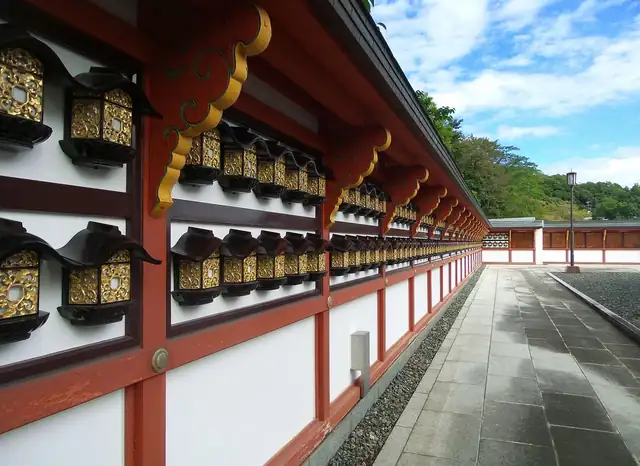 千葉
千葉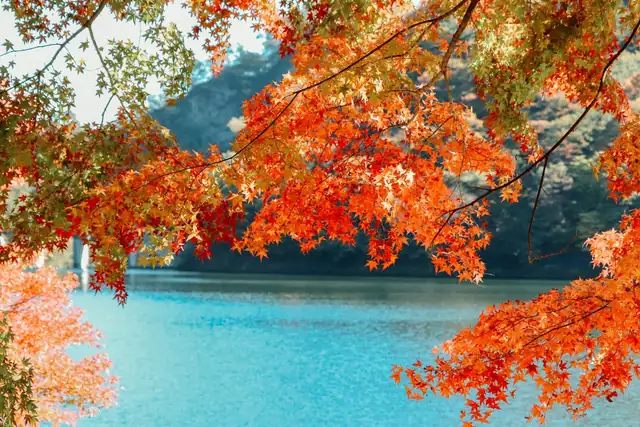 群馬
群馬 茨城
茨城