

On this page
Miyagi Travel Guide: The One-Eyed Dragon, Pine Islands & Coastal Resurgence
Situated in the heart of northeastern Honshu, Miyagi Prefecture (宮城県) serves as the primary political, cultural, and transport nexus of the Tōhoku region. Historically known as Mutsu Province, Miyagi was radically transformed at the dawn of the seventeenth century by the visionary daimyo Date Masamune—the legendary "One-Eyed Dragon" (Dokuganryū). Masamune bypassed the ancient inland routes to establish his castle capital in the wooded river basin of Sendai, developing expansive ocean trading networks with New Spain (Mexico) and the Papal States in Rome while turning northern Japan into an architectural and cultural center.
Today, Miyagi represents one of Japan's most dynamic regions, balancing modern urban comfort with dramatic coastal and alpine natural wonders. Its capital, Sendai—the "City of Trees" (Mori no Miyako)—is famous for its wide, zelkova-shaded boulevards, historic samurai mausoleums, and legendary beef tongue cuisine. Along the Pacific shoreline sits Matsushima Bay, recognized for centuries as one of Japan’s Three Great Landscapes (Nihon Sanmeien), while the jagged ria coastlines of the Sanriku region highlight the resilience and rebuilding of coastal communities following the 2011 Great East Japan Earthquake. To the west, the volcanic massifs of the Ōu Mountain Range offer the emerald crater lakes of Mount Zaō, restorative hot spring valleys, and serene rural retreats. Positioned directly on the Tōhoku Shinkansen mainline, Miyagi is the definitive gateway to the deep north of Japan.
Navigating Miyagi Prefecture: Core Geographic Sectors
Miyagi's terrain stretches from the volcanic spine of the Ōu Mountains across the fertile Sendai Plain to the Pacific Ocean, dividing into four well-defined travel corridors:
| Sector | Primary Station Hubs | Landscape & Atmosphere | Key Highlights |
|---|---|---|---|
| Sendai Metropolitan Core | JR Sendai Station / Kotodai-Koen | Green, tree-lined boulevards, vibrant commercial arcades, samurai mausoleums, energetic craft and food nightlife. | Aoba Castle Site, Zuihōden, Jozenji-dori, Osaki Hachimangū, Kokubunchō entertainment district. |
| Matsushima Bay & Shiogama | JR Matsushima-Kaigan / Hon-Shiogama | Tranquil coastal bay, over 260 pine-crested sandstone islets, historic Date clan temples, ancient salt shrines. | Godaidō Hall, Zuigan-ji, Entsū-in, Fukuurajima footbridge, Shiogama Shrine & Fish Market. |
| Sanriku Coast & Ishinomaki (North) | JR Ishinomaki / Kesennuma | Dramatic ria cliffs, deep-sea oceanic fishing ports, art installations, cat islands, modern disaster recovery centers. | Tashirojima (Cat Island), Kesennuma Shark Museum, Sanriku Fukko National Park, Ishinomori Manga Museum. |
| Zaō Highlands & Hot Springs (West) | Shiroishi-Zaō / Naruko-Onsen | Volcanic alpine craters, natural steam ravines, historic wooden artisan kokeshi towns, hot spring onsen resorts. | Zaō Okama Crater Lake, Naruko Gorge, Akiu Onsen, Sakunami Onsen, Miyagi Zaō Fox Village. |
Top Things to Do Across Miyagi
1. Gaze Across the Pine-Crested Waters of Matsushima Bay
Celebrated alongside Amanohashidate in Kyoto and Miyajima in Hiroshima as one of the Three Scenic Views of Japan (Nihon Sankei), Matsushima Bay is dotted with more than 260 miniature islands formed from pale volcanic tuff, weathered by waves into bizarre shapes and blanketed by twisting black and red pine trees. In 1689, the legendary haiku master Matsuo Bashō was so overwhelmed by the sheer aesthetic perfection of the bay that he reportedly found himself speechless.
Travelers explore the bay via passenger sightseeing cruise boats departing from Matsushima-Kaigan Pier, winding through the islands toward the oyster beds. On shore, cross the bright red 252-meter wooden footbridge to the forested nature preserve of Fukuurajima, and visit the historic seaside pavilion of Godaidō, built on a rocky promontory in 1604 by Date Masamune, featuring a bridge with gaps between the planks designed to force visitors to look down into the churning water to focus the mind before praying.
2. Step Inside the Zen Splendor of Zuigan-ji and Entsū-in
Just steps from Matsushima's shoreline sits Zuigan-ji, the premier Rinzai Zen temple of northern Japan. Originally founded in 828 AD by the monk Jikaku Daishi, the complex was lavishly rebuilt between 1604 and 1609 by Date Masamune as his clan’s spiritual sanctuary. Approached via a dramatic stone path lined with towering ancient cryptomeria cedars and meditating rock caves, the main temple hall (a National Treasure) is an extraordinary showcase of Momoyama architecture, featuring carved wooden transoms and sliding screen doors (fusuma) covered in brilliant gold leaf and delicate brushwork.
Directly adjacent lies Entsū-in, a memorial temple built in 1647 for Masamune’s grandson, Date Mitsumune, who died tragically at age nineteen. The inner mausoleum (Sankeiden) features an exquisite lacquer interior decorated with hidden Western motifs—including painted wild roses and playing card symbols (hearts and spades)—secreted into the gold lacquer to conceal the clan’s covert fascination with Christianity following their 1613 diplomatic mission to the Vatican. The temple's moss stroll garden is particularly magnificent when illuminated during the autumn foliage season.
3. Walk the Legacy of Date Masamune: Zuihōden & Aoba Castle
Perched on the wooded slopes of Mount Kyōgamine in Sendai, Zuihōden is the lavish mausoleum complex of Date Masamune and his descendants. Built in 1637 in vibrant Momoyama decorative style, the main pavilion is lacquered in deep black, decorated with intricate wooden relief carvings of dragons and phoenixes, and accented with pure gold leaf. The surrounding stone stairways wind through a grove of massive Japanese cedars, symbolizing the eternal peace of the daimyo.
Further west across the Hirose River rise the forested heights of Mount Aoba, home to the stone ramparts of Sendai Castle (Aoba Castle). Because Masamune feared political suspicion from the Tokugawa Shogunate, he deliberately declined to build a grand multi-tiered keep, constructing instead a vast administrative palace protected by sixty-foot sheer stone drop walls and natural river chasms. While the palace was lost to war and fires, the castle terrace features the iconic bronze equestrian statue of Date Masamune overlooking the sweeping skyline of modern Sendai.
4. Stroll the Green Canopy of Jozenji-dori & Aoba-dori
Sendai's proud moniker, Mori no Miyako (The City of Trees), is rooted in a seventeenth-century edict by Date Masamune encouraging samurai to plant fruit-bearing and timber trees within their residential estates. Today, that legacy lives on along Jozenji-dori, an expansive downtown boulevard shaded by four rows of 166 soaring Japanese zelkova trees (keyaki). The central pedestrian promenade features bronze sculptures by master artists such as Emilio Greco and Giacomo Manzù, and hosts open-air live performances during the annual Jozenji Street Jazz Festival in September.
5. Look into the Emerald Depths of the Zaō Okama Crater Lake
Straddling the mountain border between Miyagi and Yamagata prefectures in the volcanic Ōu Mountain Range, Okama Crater Lake is a breathtaking natural wonder. Formed inside an active volcanic caldera following a massive eruption in the 1180s, the circular crater lake earned its name (Okama, meaning "iron cooking pot") due to its steep, cauldron-like volcanic rock rim.
The lake water is intensely acidic (pH 3.5) and changes its luminous color between electric turquoise, deep emerald green, and pale jade depending on the angle of sunlight and subterranean volcanic mineral discharges—earning it the nickname Goshiki-numa ("Five Color Pond"). The crater rim is accessible via the Zaō Highline scenic toll road from late April through early November, offering panoramic views across the rugged volcanic alpine moonscape.
6. Hike the Monumental Vistas of Naruko Gorge
Located in northwestern Miyagi, Naruko Gorge (Naruko-kyō) is a sheer, two-kilometer river canyon carved one hundred meters deep into volcanic rock by the rushing waters of the Otōzawa River. The defining landscape perspective is viewed from the Naruko Rest House, looking across to the elegant concrete arch of the Ofukazawa Bridge suspended high above the gorge. In mid-autumn, the vertical cliff walls erupt in a spectacular mosaic of fiery Japanese maples, golden beeches, and dark green pines. After taking in the gorge, wander into the adjacent thermal town of Naruko Onsen, celebrated for its historic hot springs and master craftsmen who hand-carve traditional wooden Kokeshi dolls.
7. Encounter Coastal Felines on Tashirojima (Cat Island)
Situated in the Pacific Ocean off the harbor of Ishinomaki, Tashirojima is a tranquil, semi-rural island famous worldwide for having a feline population that significantly outnumbers its human residents. Historically, the island was an important sericulture (silkworm) center, and cats were introduced to protect the silk cocoons from mice; later, local fishermen cared for them, believing that feline behavior provided accurate forecasts for maritime weather and successful fishing runs.
The island features Miyori Shrine (Cat Shrine), dedicated to a feline deity, and several architectural cottages designed in the shape of cats by famous manga artist Shotaro Ishinomori. Visitor Etiquette: Tashirojima is a living, quiet community with an aging population; visitors must pack out all personal trash, refrain from blocking residential roads, and follow strict regulations that forbid feeding the cats to protect their health.
Miyagi Terroir: Sendai Gyūtan, Pacific Oysters & Sweet Zunda
Positioned where the nutrient-rich Oyashio subarctic current collides with the Kuroshio warm current off the Sanriku coast, Miyagi boasts one of the most prolific deep-sea and coastal fisheries in the world, balanced by the fertile rice fields of the Sendai Plain:
- Gyūtan (Grilled Beef Tongue): Sendai’s most iconic culinary staple. Invented in 1948 by chef Keishiro Sano at the restaurant Tasuke during the post-war reconstruction, gyūtan transforms thick cuts of beef tongue through aging and scoring into tender, succulent delicacies. Grilled over scorching binchōtan charcoal until charred and crisp on the edges, a classic Gyūtan Teishoku set meal is served with:
- A steaming bowl of Mugi-meshi (white rice mixed with pearled barley).
- A clear, piping-hot beef tail soup (Tēru-sūpu) garnished with fine shredded scallions.
- Spicy, salty pickled green chili peppers (Nanban-zuke) and fermented seasonal cabbage to cut through the richness of the beef.
- Zunda: The signature regional sweet of Miyagi. Young green edamame soybeans are boiled, hand-mashed into a vibrant, coarse emerald-green paste, and seasoned simply with sugar and a pinch of salt. Unlike heavy red bean paste, zunda retains an aromatic, refreshing vegetal sweetness. Savor it slathered over warm, chewy Zunda Mochi rice cakes, blended into creamy soft-serve ice cream, or enjoyed as a refreshing Zunda Shake at Sendai Station.
- Sanriku Oysters (Kaki): The calm, sheltered waters of Matsushima Bay and the deep ria inlets of the Sanriku coast are the cradle of Japanese oyster cultivation. Farmed on hanging rope rafts in cold, plankton-rich waters, Matsushima oysters are celebrated for their plump, creamy texture and clean ocean salinity. Eaten fresh with ponzu, battered and deep-fried as crispy Kaki Furai, or enjoyed by the bucketful at seasonal bayside oyster shacks (Kaki-goya) from October through March.
- Sendai Wagyu (A5 Certified): Miyagi raises some of the most strictly regulated black cattle in Japan. To carry the official Sendai Wagyu seal, the beef must achieve an absolute top meat grade rating of A5 or B5. Fed on premium local Sasanishiki rice straw and clear mountain water, the beef features extraordinary snowy marbling that delivers a buttery richness when prepared as sukiyaki or teppanyaki steak.
- Sasa Kamaboko (Bamboo Leaf Fish Cake): A historic coastal preservation specialty. White fish paste (traditionally sea bream or cod) is seasoned, hand-pressed into the shape of a bamboo leaf (resembling the Date clan crest), and grilled over charcoal until the surface turns golden-brown and lightly blistered. It offers a firm, snappy texture and clean savory finish, ideal for snacking with cold junmai sake.
- Harako-meshi: A traditional autumn coastal specialty originating along the Abukuma River in Watari. Fresh seasonal autumn salmon is simmered in a savory dashi broth of soy sauce, sake, and mirin; the resulting cooking liquid is used to steam seasoned white rice. The rice is then topped with flakes of tender cooked salmon and generous heaps of glistening, salty raw salmon roe (ikura).
Transportation: High-Speed Rail & Regional Travel Lines
Miyagi possesses the premier transport infrastructure in northern Japan, making it the central hub for exploring the entire Tōhoku region:
- Tokyo to Sendai via Tōhoku Shinkansen:
- Hayabusa Express: The fastest high-speed bullet train in Japan, traveling at speeds up to 320 km/h. Connects Tokyo Station directly to JR Sendai Station in just 1 hour and 30 minutes without intermediate stops. (Fully covered by the nationwide JR Rail Pass and JR East Tohoku Area Pass; all seats are strictly reserved).
- Yamabiko Express: Offers semi-fast connections stopping at Utsunomiya, Koriyama, and Fukushima, reaching Sendai in roughly two hours.
- Reaching Matsushima Bay (The Crucial Station Choice):
- Board the JR Senseki Line from Sendai Station to JR Matsushima-Kaigan Station (approx. 40 minutes). Crucial Traveler Tip: Do not disembark at "Matsushima Station" on the Tohoku Main Line, which leaves you roughly two kilometers away from the waterfront. Matsushima-Kaigan Station drops you right in the center of the temple and sightseeing pier district.
- Sendai City Subway & Sightseeing Bus:
- Loople Sendai: A charming vintage-style loop bus that circles past all major central sights (Aoba Castle, Zuihōden, Osaki Hachimangū) departing every 20 minutes from Sendai Station Bus Stop 16.
- Sendai Subway: Two lines—the Namboku Line (Green) running north-south and the Tozai Line (Blue) running east-west—provide rapid access to downtown dining, university campuses, and municipal parks.
- Digital Transit Cards (IC Cards): JR lines, Sendai subways, local city buses, and the Loople Sendai loop bus fully accept digital Suica, Pasmo, and ICOCA cards loaded on smartphones. Simply tap your phone at the entry and exit fare turnstiles.
Where to Stay in Miyagi: Strategic Base Camps
| Base Hub | Vibe & Atmosphere | Transit Connections | Accommodation Strategy |
|---|---|---|---|
| JR Sendai Station Area | Modern metropolitan hub, multi-level retail complexes, immediate bullet train access, bustling food alleys. | Tōhoku Shinkansen terminal; JR Senseki, Senzan, and Main lines; subway interchange. | High density of modern, efficient Japanese business hotels (multiple central APAs), upscale railway towers, international corporate properties. |
| Kokubunchō & Ichibancho (Downtown) | Northeastern Japan's largest entertainment district, pedestrian shopping arcades, endless izakayas and bars. | Subway Kotodai-Koen or Hirose-dori stations (10 mins walk from Sendai Station). | Stylish boutique lifestyle hotels, comfortable mid-tier business chains, design apart-hotels. |
| Matsushima Bay (Overnight) | Peaceful coastal island serenity, ocean sunrises over the pine islets, quiet evening temple grounds. | JR Senseki Line (Matsushima-Kaigan Station). | Luxury waterfront hot spring (onsen) ryokans featuring ocean-view open-air baths and multi-course seafood banquets. |
| Akiu Onsen (Sendai Suburbs) | Ancient forested thermal gorge along the Natori River, soothing mineral waters, craft artisan villages. | Direct highway bus from Sendai Station (approx. 45–50 mins). | Historic hot spring ryokans with expansive indoor and outdoor baths, traditional kaiseki dining, craft village lodges. |
Regional Day Trips Across Miyagi Prefecture
1. Akiu Onsen & The Rairai Gorge
Located just forty-five minutes west of central Sendai in the foothills of the Ōu Mountains, Akiu Onsen is documented alongside Dōgo and Arima as one of Japan's "Three Imperial Hot Springs," celebrated since the sixth century when its waters cured the dermatological ailments of Emperor Kinmei. Walk the wooden boardwalk along Rairai Gorge, a dramatic stone canyon carved by the Natori River featuring bizarre rock formations and a natural heart-shaped rock pool, before exploring the Akiu Traditional Craft Village to watch master artisans carve kokeshi dolls and lacquer furniture.
2. Shiogama: Shinto Grandeur & Fresh Sushi
Situated halfway between Sendai and Matsushima on the JR Senseki Line, the coastal port of Shiogama boasts one of the highest concentrations of sushi restaurants per square kilometer in Japan. Visit the Shiogama Wholesale Fish Market in the morning to purchase fresh cuts of Pacific tuna, sea urchin, and botan shrimp directly from auction stalls, building your own custom My Kaisendon bowl with warm rice. Afterward, climb the massive 202-step stone stairway to Shiogama Shrine, a sacred 1,200-year-old Shinto compound overlooking the harbor, venerated as the protector of mariners and salt producers.
3. Miyagi Zaō Fox Village (Kitsune Mura)
Tucked into the mountain forests of Shiroishi in southwestern Miyagi, the Miyagi Zaō Fox Village is an open-air sanctuary home to over one hundred free-roaming foxes representing six species, including red foxes, silver foxes, and platinum foxes. Visitors walk through a dedicated, enclosed pine forest clearing where foxes roam, sleep, and interact. Traveler Caution: The foxes are wild animals; visitors must strictly keep hands inside pockets, maintain distance, and only feed animals from designated elevated feeding towers under staff supervision to prevent bites.
Best Seasons to Visit Miyagi
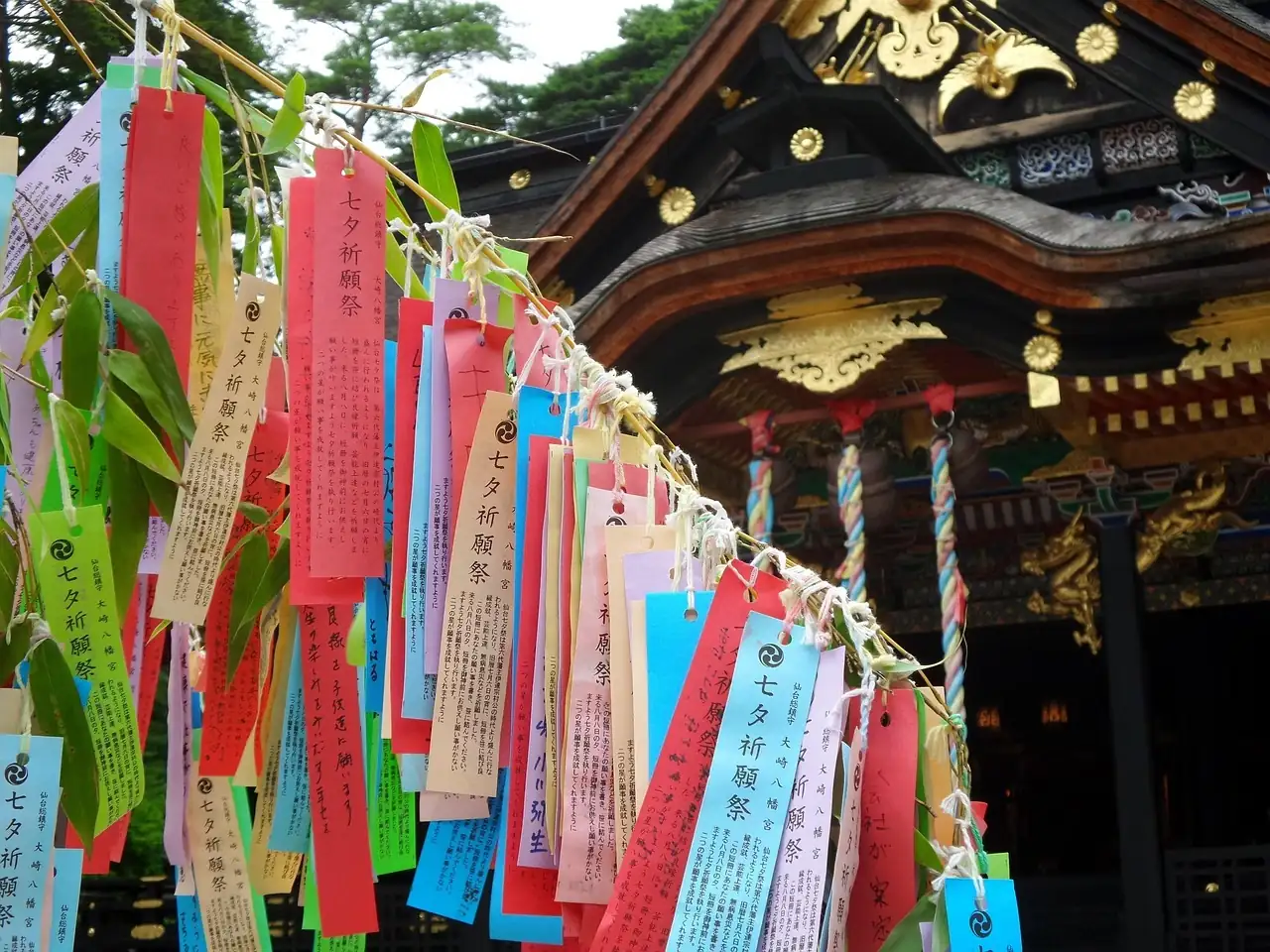
- August 6–8 (Sendai Tanabata Festival): Miyagi's largest and most famous annual cultural spectacle, dating back four centuries to Date Masamune. Central Sendai's covered shopping arcades (Ichibancho and Chūō-dori) are decorated with thousands of massive, multi-tiered handmade paper streamers (fukinagashi) crafted from vibrant Washi paper, accompanied by traditional dancing and fireworks along the Hirose River.
- Autumn (October to Early November): The premier season for visual drama. The maple and beech canopies across Naruko Gorge and the Akiu Valley blaze in brilliant shades of yellow, gold, and crimson. Pleasant, temperate daytime weather averaging 14°C to 19°C (57°F–66°F) makes hiking and coastal cruising exceptionally comfortable.
- Spring (Mid-April to Early May): Cherry blossoms bloom roughly two to three weeks later than Tokyo. The riverbanks along the Shiroishi River in southern Miyagi host the world-famous Hitome Senbonzakura (One Thousand Cherry Trees at a Glance), where a continuous eight-kilometer tunnel of blooming somei-yoshino trees frames the snow-capped volcanic peaks of Mount Zaō.
- Winter (December to February): Cool, crisp, and coastal. While Sendai receives significantly less snow than western Tōhoku due to Pacific coastal winds (averaging 1°C to 7°C / 34°F–45°F), the mountain passes of Zaō are buried under deep alpine powder, forming the world-famous Juhyō (Snow Monsters)—coniferous trees coated in freezing sub-zero mountain mist and hoarfrost until they resemble frozen mythological creatures. In December, downtown Sendai hosts the Sendai Pageant of Starlight, where hundreds of thousands of LED lights illuminate the zelkova canopy of Jozenji-dori.


 青森
青森 山形
山形 福島
福島 磐梯
磐梯 秋田
秋田 岩手
岩手