

On this page
Osaka Travel Guide: Japan’s Kitchen, Neon Nights & Urban Mastery
If Tokyo is Japan’s polished administrative mind and Kyoto is its refined imperial soul, Osaka (大阪) is its boisterous, food-obsessed heart. Long celebrated as the commercial capital of western Japan, Osaka historically earned the title of Tenka no Daidokoro—the Nation’s Kitchen—during the Edo period, when grain, vegetables, and coastal seafood from across the archipelago were traded along its network of navigable canals. Today, it stands as Japan’s third-largest metropolitan hub, characterized by towering neon facades, sprawling underground labyrinths, energetic outdoor merchant arcades, and a famously warm, unpretentious local populace.
For visitors, Osaka offers an immediate antidote to the formal restraint found elsewhere in the country. The local philosophy is best summarized by the humorous regional proverb kuidaore—to eat oneself into financial ruin. From sizzling iron griddles in the street alleys of Dotonbori to the working-class Showa nostalgia of Shinsekai, the city celebrates bold flavors, street-level community, and practical urban efficiency. Positioned at the very nexus of the Kansai rail network, Osaka also functions as the premier geographic launchpad for day trips to Kyoto, Nara, Kobe, and Mount Koya, offering travelers lower lodging prices and far livelier evening nightlife.
Navigating Osaka: The Urban Layout (Kita vs. Minami)
Understanding Osaka’s layout is straightforward once you grasp its cardinal divide between the northern and southern commercial centers, linked directly down the middle by the arterial Midosuji Boulevard and subway line:
| Zone | Primary Station Hubs | Atmosphere & Character | Primary Highlights |
|---|---|---|---|
| Kita (The North) | Umeda / Osaka Station | Modern corporate skyscrapers, upscale department stores, subterranean shopping malls, commuter rail terminals. | Umeda Sky Building, Grand Front Osaka, Nakazakicho vintage alleys, Kitashinchi nightlife. |
| Minami (The South) | Namba / Shinsaibashi / Dotonbori | High-energy entertainment, neon streetscapes, street food markets, covered arcades, subculture quarters. | Dotonbori canal, Glico Running Man, Kuromon Market, Amerikamura, Den Den Town. |
| Tennoji & South Core | Tennoji / Shin-Imamiya | Retro working-class heritage meets modern skyscraper renewal; direct express rail to Kansai Airport (KIX). | Shinsekai, Tsutenkaku Tower, Abeno Harukas, Shitenno-ji Temple, Tennoji Park. |
| Osaka Bay Area | Osakako / Universal City | Reclaimed island harbor, waterfront attractions, theme parks, modern ferry terminals. | Universal Studios Japan (USJ), Osaka Aquarium Kaiyukan, Tempozan Ferris Wheel. |
Top Things to Do in Osaka
1. Savor Street Food Along the Dotonbori Canal
Dotonbori is Osaka’s iconic entertainment artery, following a canal dredged by local merchant Yasui Doton in 1612. At twilight, the district lights up with massive, three-dimensional kinetic signage: giant mechanical crabs at Kani Doraku, roaring dragons, pufferfish lanterns, and the monumental 1935 Glico Running Man neon sign towering over Ebisubashi Bridge. Wander through Hozenji Yokocho, a narrow stone-paved alleyway illuminated by paper lanterns, where diners splash well-water over the moss-draped statue of Fudo Myo-o for good fortune before entering century-old kushiage and okonomiyaki taverns.
2. Experience Post-War Retro Nostalgia in Shinsekai
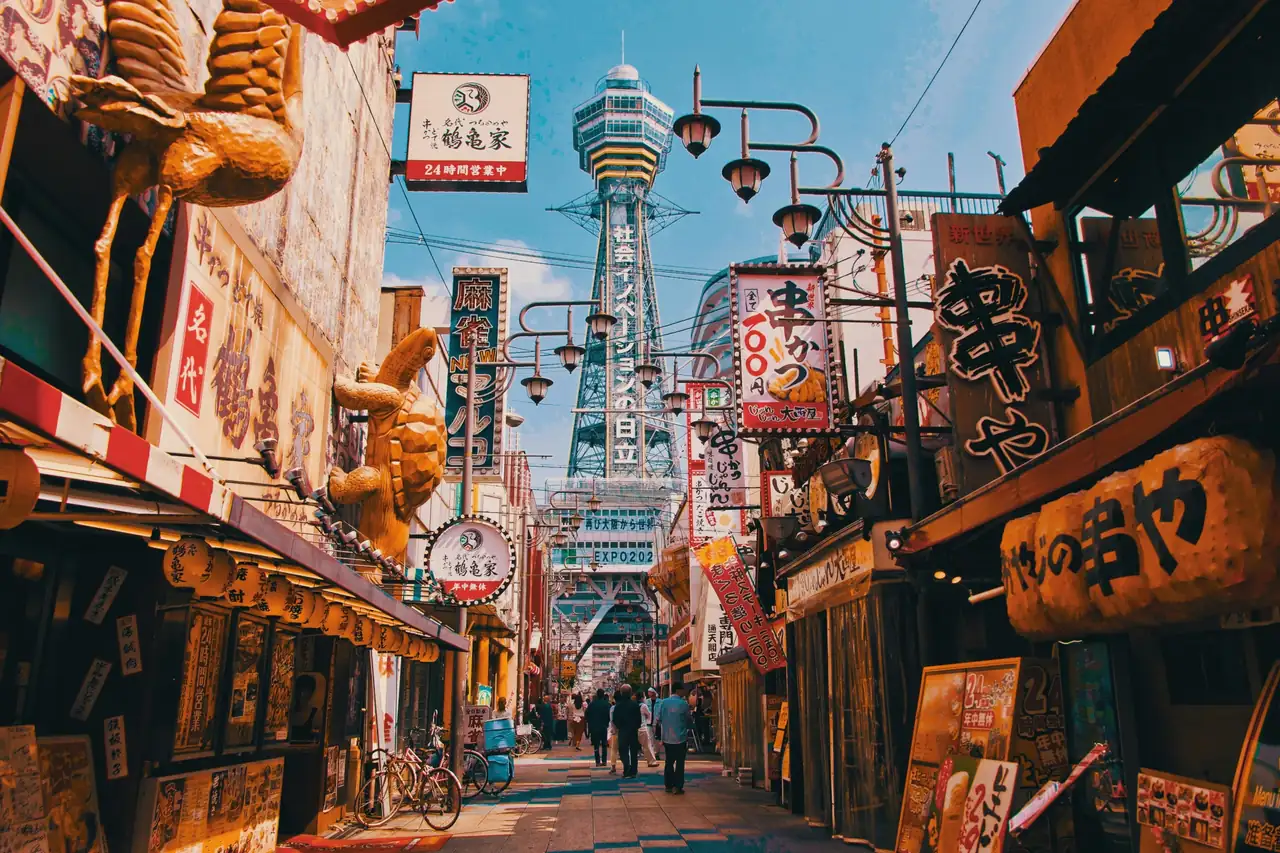
Constructed in 1912 as an entertainment park modeling Paris in its northern sector and New York’s Coney Island in its southern sector, Shinsekai (“New World”) stands frozen in the vibrant mid-century Showa era. Overlooked by the steel girders of the 108-meter Tsutenkaku Tower—which features the 60-meter spiral Tower Slider allowing visitors to glide from the third-floor observatory to the basement in ten seconds—the streets are flanked by colorful 24-hour taverns, retro gaming parlors, and traditional mahjong dens. Shinsekai is the birthplace of kushikatsu: skewered meat, seafood, and vegetables fried crisp in golden panko breadcrumbs, seasoned with Worcestershire dipping sauce.
3. Explore Osaka Castle (Osaka-jō) and Its Parklands
Built in 1583 by warlord Toyotomi Hideyoshi to display his supremacy over a unified Japan, Osaka Castle remains a symbol of municipal pride. Though leveled by wars and lightning strikes throughout the centuries, the current five-story, eight-floor concrete main keep—faithfully reconstructed in 1931—houses an extensive museum documenting Hideyoshi’s military campaigns, the bloody Siege of Osaka in 1614–1615, and the Momoyama period. Outside, the castle is fortified by cyclopean stone moats featuring gigantic boulders like the Takoishi (Octopus Stone), weighing an estimated 108 metric tons. The surrounding 105-hectare castle park blooms with over 4,000 cherry trees in early spring and features the tranquil Nishinomaru Garden.
4. Browse Fresh Produce at Kuromon Ichiba Market
Known affectionately as "Osaka’s Kitchen," this 580-meter covered market dates back to the Edo period when fish merchants gathered near Enmyoji Temple. Today, more than 150 vendors line the arcade, selling seasonal seafood and meat prepared fresh to order before your eyes: freshly opened Hokkaido sea urchin (uni), charred baby octopus skewers, grilled king crab legs, grade A5 Miyazaki wagyu beef cubes, and sweet Amaou strawberries.
5. Step into Youth Fashion and Subculture: Amerikamura and Den Den Town
- Amerikamura (Ame-mura): West of Shinsaibashi, this neighborhood has served as Osaka’s center of youth streetwear, record shops, and creative culture since the 1970s. Centered around Sankaku Koen (Triangle Park), it features vintage denim stores, independent skate shops, hip-hop apparel boutiques, and street art murals.
- Den Den Town (Nippombashi): Osaka’s equivalent to Tokyo’s Akihabara. Spanning Sakaisuji Avenue, Den Den Town is packed with electronics component dealers, retro gaming treasure troves like Super Potato, multi-story anime figure megastores, manga retailers, and maid cafés, typically offering lower prices and less crowding than their Tokyo counterparts.
6. Discover the Architectural Heights: Umeda Sky Building & Abeno Harukas
- Umeda Sky Building: A landmark designed by architect Hiroshi Hara, comprising two 40-story towers bridged at their summits by the circular Floating Garden Observatory. Suspended escalators cross the open central canyon 173 meters above the street, providing 360-degree open-air panoramic views across the Yodo River basin.
- Abeno Harukas: Located in Tennoji, this 300-meter skyscraper is one of Japan’s tallest commercial structures. The Harukas 300 observation deck occupies floors 58 through 60, featuring a glass-bottomed perimeter and an open-air central atrium offering views extending across the bay to Awaji Island and Mount Ikoma.
7. Walk the Vintage Backstreets of Nakazakicho
A ten-minute walk northeast of modern Umeda Station leads into Nakazakicho, a quiet, leafy residential pocket that miraculously survived wartime air raids. Narrow pedestrian alleys are lined with restored pre-war wooden merchant homes now housing third-wave espresso roasteries, independent clothing ateliers, vintage camera shops, and art galleries, providing a slow-paced respite from the commercial department store hubs.
8. Encounter Marine Life at Osaka Aquarium Kaiyukan
Set along the waterfront of Osaka Bay, Kaiyukan is one of the world’s largest public aquariums. Designed around the Pacific Rim’s "Ring of Fire," visitors enter at the top floor and descend a continuous spiral ramp wrapping around a massive 5,400-cubic-meter central tank containing magnificent whale sharks, manta rays, hammerheads, and Pacific pelagic schools.
9. Experience teamLab Botanical Garden Osaka
Located in the southern district of Higashisumiyoshi at Nagai Botanical Garden, this permanent open-air night exhibition transforms 240,000 square meters of gardens and ponds into an interactive digital art canvas. As dusk falls, giant glowing ovoid monoliths illuminate among native cypress trees, and floating lamps across Oike Lake pulse with shifting colors and musical tones in direct response to passing breezes and visitors’ touches.
The Osaka Food Guide: Mastering B-Kyu Gurume (Gourmet Street Eats)
While Tokyo boasts refined Michelin multi-course menus, Osaka specializes in legendary B-kyū gurume (Grade-B Comfort Food)—satisfying, unpretentious dishes built around dashi broths, wheat flour, and rich savory glazes:
- Takoyaki (Octopus Balls): Osaka’s ultimate street staple. Spherical batter balls made from flour, dashi, pickled red ginger (beni shoga), and green onions, filled with a tender chunk of boiled octopus and cooked on custom cast-iron dimpled griddles. Served scalding hot, brushed with sweet-savory brown sauce, drizzled with Japanese mayonnaise, and topped with dancing dried bonito flakes (katsuobushi) and green seaweed (aonori). For crisp crusts, visit stalls in Dotonbori or the historic Aizuya in Tamade.
- Okonomiyaki (Savory Cabbage Pancake): Translating literally to "grilled as you like it," this hearty dish blends shredded sweet cabbage, mountain yam (nagaimo), eggs, and dashi-seasoned flour with sliced pork belly, squid, or prawns. Griddled golden brown on a flat steel teppan, it is coated in thick fruit-and-vegetable sauce and mayonnaise. In Osaka style, the ingredients are mixed completely together before hitting the grill, contrasting with Kyoto and Hiroshima layered styles.
- Kushikatsu (Skewered Fried Bites): Skewers of pork tenderloin, quail eggs, lotus root, asparagus, and shiitake mushrooms dipped in a thin batter, rolled in micro-fine breadcrumbs, and deep-fried in lard until crisp. Golden Rule of Kushikatsu: When dipping into the communal stainless steel sauce vats, double-dipping after taking a bite is strictly prohibited for sanitary reasons. Use a fresh piece of raw cabbage to scoop additional sauce onto your plate.
- Kitsune Udon: Thick, chewy wheat noodles served in a pale golden broth brewed from dried bonito, mackerel flakes, and kelp, crowned with a large rectangular sheet of aburaage (fried sweet bean curd). Invented at Usami-tei Matsubaya in Minami Senba in 1893, the sweet braised tofu pays homage to the mythological foxes of Inari Shinto shrines.
- Doteyaki: Beef sinew and tendon slowly simmered for hours in white sweet Saikyo miso, mirin, and sake until meltingly soft, garnished with fresh sliced scallions and seven-spice chili pepper (shichimi). Often ordered as a companion side dish at kushikatsu counters.
Transportation: Getting Around Osaka Efficiently
Osaka’s public transit network is fast, frequent, and fully mapped in English across digital payment gates:
- Osaka Metro (Subway Network): The foundation of city travel. The Midosuji Line (Red) is the essential artery, running north-to-south directly linking Shin-Osaka (Shinkansen terminal), Umeda, Shinsaibashi, Namba, and Tennoji. The Chuo Line (Green) cuts east-to-west toward the bay and castle grounds.
- JR Osaka Loop Line (Osaka Kanjōsen): Paralleling the concept of Tokyo’s Yamanote Line, this circular above-ground loop wraps around central Osaka, stopping at Osaka Station, Tennoji, Morinomiya (castle access), and Shin-Imamiya, with direct connections to Universal City station for USJ.
- Kansai Airport (KIX) Transit Options:
- JR Haruka Express: Reaches Tennoji in 35 minutes and Osaka/Umeda Station in 45 minutes; best for travelers heading straight to northern hubs or onward to Kyoto.
- Nankai Rapi:t / Airport Express: Sleek retro-futuristic blue trains connecting directly into Nankai Namba Station in 34 to 43 minutes; ideal if staying in Minami or Dotonbori.
- Digital Transit Cards (IC Cards): You do not need to purchase physical transit tickets. Simply load a digital Suica, Pasmo, or ICOCA card into your smartphone digital wallet, tap your device across entry barriers, and fares are calculated automatically across all metro, JR, and private railway lines.
Where to Stay in Osaka: Neighborhood Comparison
| Neighborhood | Vibe & Advantages | Transit Connections | Hotel Strategy |
|---|---|---|---|
| Namba & Dotonbori (Minami) | Non-stop energy, late-night dining on your doorstep, vibrant street atmosphere. | Direct Nankai train to KIX Airport; Midosuji Line; Kintetsu Line to Nara. | High density of modern Japanese business hotels (including multiple APAs), lifestyle boutique hotels, compact apart-hotels. |
| Umeda / Osaka Station (Kita) | Refined commercial district, upscale shopping malls, clean streets, excellent craft beer and dining. | Direct JR lines to Kyoto (29 mins) and Kobe (22 mins); Hankyu Line; Hanshin Line. | International luxury hotel towers (Ritz-Carlton, Conrad), major mid-range chains, executive business hubs. |
| Shinsaibashi & Honmachi | Fashion shopping, quieter residential alleys, halfway between North and South centers. | Central Midosuji Line access; walking distance to Dotonbori without the street noise. | Excellent mid-tier business hotels, stylish design hotels, boutique residences. |
| Tennoji & Shin-Imamiya | Eclectic mix of gritty retro history and brand-new commercial shopping developments. | Direct JR and Nankai links to KIX airport; JR Loop Line; direct train to Mount Koya. | Budget-friendly accommodations, value business hotels, family apartment suites. |
The Best Day Trips from Osaka
Because Osaka Station and Namba Station serve as regional rail terminuses, staying in Osaka allows you to explore the wider Kansai region without changing hotels every night:
1. Kyoto (29 minutes from Osaka Station via JR Special Rapid Service)
Board the bi-hourly JR Special Rapid train from Osaka Station directly to Kyoto Station for just ¥580. Spend your morning walking through the thousands of vermilion torii gates at Fushimi Inari Taisha, explore the historic wooden alleys of Gion, and marvel at the golden facade of Kinkaku-ji before returning to Osaka for evening dining.
2. Nara (35 minutes from Osaka Namba Station via Kintetsu Nara Line)
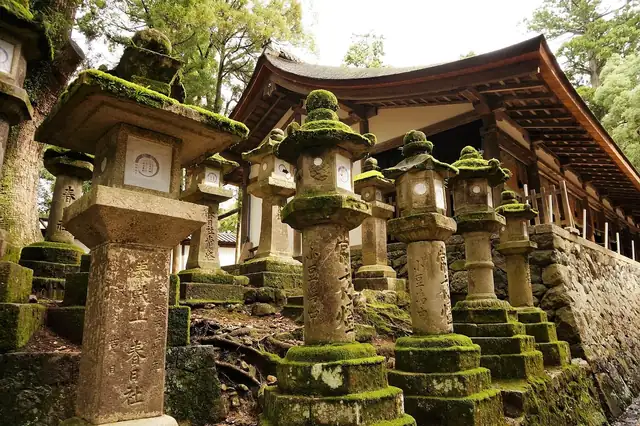
Take the Kintetsu Line express train from Osaka-Namba directly to Kintetsu-Nara Station. Walk through Nara Park, where over 1,200 wild, free-roaming sika deer bow to visitors in exchange for shika-senbei (deer crackers). Visit Tōdai-ji, one of the world's largest wooden buildings, housing the monumental fifteen-meter bronze Daibutsu (Great Buddha) cast in 752 AD, followed by a walk up the lantern-lined forest path to Kasuga Taisha Shrine.
3. Kobe (22 minutes from Osaka Station via JR Special Rapid Service)
Nestled between the Rokko mountain range and Osaka Bay, the cosmopolitan harbor city of Kobe offers a sophisticated day out. Sample certified Kobe Beef seared over teppanyaki grills, wander through the historic 19th-century Western merchant mansions (Ijinkan) in Kitano, and explore Nada Ward, Japan’s premier sake-brewing district, where centuries-old breweries like Hakutsuru and Kikumasamune offer tastings of fresh junmai ginjo sakes.
4. Mount Koya (Kōyasan) (90 minutes from Nankai Namba Station)
Ascend into the mist-covered cedar forests of Wakayama Prefecture aboard the scenic Nankai Koya Line and funicular cable car. Founded in 816 AD by the monk Kūkai (Kōbō Daishi) as the world headquarters of Shingon Esoteric Buddhism, Mount Koya features over one hundred active temples. Walk through Okunoin Cemetery, where moss-covered stone stupas stand beneath 500-year-old cedar trees leading to Kūkai’s sacred mausoleum. Travelers can arrange an overnight shukubō stay inside a temple to experience morning chanting rituals and shōjin-ryōri vegan cuisine.
Best Seasons to Visit Osaka
- Spring (Late March to Mid-April): Temperatures hover around 15°C to 20°C (60°F–68°F). The moats of Osaka Castle, the riverside lawns of Kema Sakuranomiya Park, and the Expo '70 Commemorative Park burst into bloom with cherry blossoms. Expect heavy tourist numbers and book accommodation 3–5 months ahead.
- Autumn (October to Late November): The most comfortable travel window, featuring crisp sunny skies, low humidity, and pleasant daytime temperatures. The sweeping ginkgo avenues along Midosuji Boulevard turn bright golden yellow, and the forested grounds of Minoh Park north of the city blaze red with Japanese maples.
- Winter (December to February): Cool and crisp, with temperatures averaging 5°C to 12°C (41°F–54°F). Snowfall is rare, skies remain largely clear, and commercial districts host elaborate holiday light installations like the Osaka Festival of Lights along Midosuji.
- Summer (July to August): Hot, humid, and intensely festive. While temperatures often exceed 35°C (95°F), summer is host to the monumental Tenjin Matsuri on July 24–25—one of Japan’s top three national festivals—featuring a procession of 3,000 costumed participants through the streets and a flotilla of lantern-lit river boats accompanied by fireworks over the Okawa River.


 京都
 奈良
 兵庫
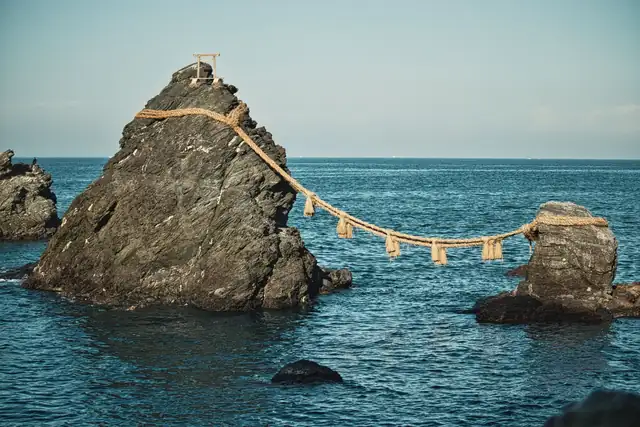 三重
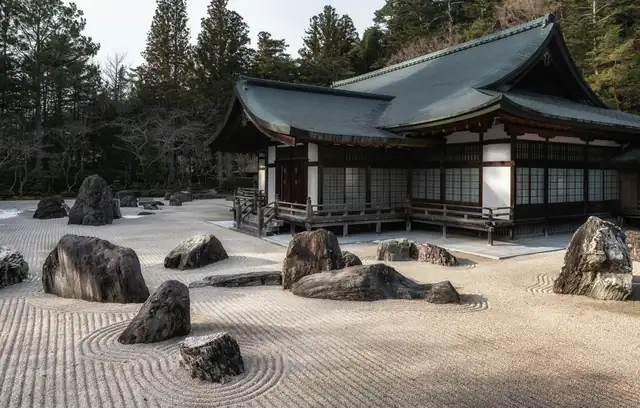 和歌山
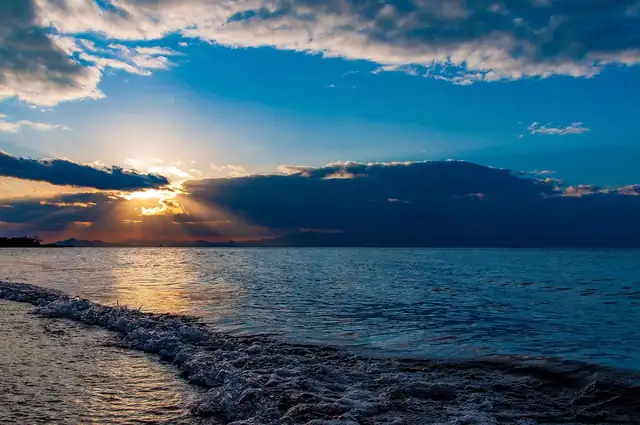 滋賀