

On this page
Tochigi Travel Guide: Shogunal Splendor, Thermal Gorges & Mountain Plateaus
Positioned in the northern interior of the Kanto region roughly one hundred kilometers north of Tokyo, Tochigi Prefecture (栃木県) is a dramatic transition zone between the fertile flatlands of the Kanto Plain and the volcanic mountain spine of central Honshu. Known historically as Shimotsuke Province, the region’s southern territory is dominated by expansive agricultural basins fed by the Kinugawa and Watarase rivers, while its western and northern frontiers rise into the rugged volcanic massifs, subalpine wetlands, and steaming geothermal gorges of Nikkō National Park.
Tochigi's cultural significance peaked in the early seventeenth century with the death of Tokugawa Ieyasu, the unifier of Japan and founder of the Tokugawa shogunate. Rather than resting in his capital at Edo (Tokyo), Ieyasu was deified as the guardian spirit of Japan and enshrined amidst the towering ancient Japanese cedars of Nikkō. Today, Tochigi attracts millions of travelers not only for its UNESCO-inscribed shrines and temples, but also for the roaring hot spring resorts of Kinugawa and Nasu, world-renowned strawberry farms, the pottery kilns of Mashiko, and the celebrated gyoza dumpling capital of Utsunomiya. Supported by direct bullet train lines and dedicated limited express trains, Tochigi is one of the most rewarding northern journeys from Tokyo.
Navigating Tochigi: Key Geographic Sectors
Tochigi divides cleanly into four distinct travel corridors, each defined by unique landscapes and transportation arteries:
| Sector | Primary Station Hubs | Landscape & Atmosphere | Key Highlights |
|---|---|---|---|
| Nikkō & Lake Chūzenji | Tobu-Nikkō / JR Nikkō | Towering ancient cedar forests, lavishly gilded shogunal shrines, high-altitude volcanic lakes, plunging waterfalls. | Tōshō-gū Shrine, Rinnō-ji, Futarasan Shrine, Shinkyo Bridge, Kegon Falls, Lake Chūzenji, Senjogahara Marshland. |
| Kinugawa & Kawaji Gorges | Kinugawa-Onsen Station | Sheer river canyons, suspension footbridges, traditional hot spring bathhouses, theme and cultural parks. | Kinugawa Onsen bathhouses, Kinugawa River boat cruises, Tobu World Square, Edo Wonderland (Nikko Edomura). |
| Utsunomiya & Central Plains | JR Utsunomiya / Tobu-Utsunomiya | Energetic prefectural capital, Shinkansen transport hub, subterranean stone quarries, national dumpling culture. | Oya Stone Museum (underground quarry), Utsunomiya Castle Park, Kirin Brewery, gyoza street alleys. |
| Nasu Highlands & Mashiko (Outlying) | Nasu-Shiobara / Mashiko | Volcanic alpine plateaus, imperial holiday retreats, dairy pastures, historic artisan pottery kilns. | Mount Nasu (Chausudake), Nasu Yumoto Onsen (Sesshoseki Killing Stone), Mashiko ceramic studios. |
Top Things to Do Across Tochigi
1. Stand Before the Gilded Opulence of Nikkō Tōshō-gū
Nestled deep within a misty forest of over ten thousand towering Japanese cedars (cryptomeria), Nikkō Tōshō-gū is the final resting place of Shogun Tokugawa Ieyasu. In stark defiance of traditional Japanese Buddhist and Shinto aesthetic minimalism, Tōshō-gū was transformed by Ieyasu’s grandson, Shogun Iemitsu, into an explosive display of wealth, power, and Momoyama craftsmanship. More than 127,000 artisans were assembled from across the empire, carving over five thousand intricate timber relief sculptures decorated with vivid lacquer, brilliant mineral pigments, and pure gold leaf.
Key highlights across the shrine complex include:
- The Yōmeimon Gate: Known as the "Twilight Gate" (Higurashimon) because an observer could inspect its 508 ornate carvings of dragons, mythical beasts, and Chinese sages from dawn until dusk without growing bored. Two white dragons carved on the gate's pillars are subtly oriented upside down—a deliberate imperfection introduced because craftsmen feared completed perfection would invite the wrath of heaven.
- The Sacred Stable (Shinkyūsha): Famous worldwide for its carved frieze depicting the life cycle of humanity through monkeys, anchored by the iconic Three Wise Monkeys illustrating the Tendai Buddhist principle: "Hear no evil, speak no evil, see no evil" (mizaru, iwazaru, kikazaru).
- Nemuri-neko (The Sleeping Cat): A tiny, exquisite carving by master sculptor Hidari Jingorō resting above the gateway leading to Ieyasu’s inner tomb. While the cat sleeps peacefully among blooming peonies, carved sparrows are depicted playing on the reverse side of the timber beam—symbolizing that the newly established Tokugawa peace allowed the vulnerable to rest without fear of predators.
2. Cross the Vermilion Arc of Shinkyo Bridge
Marking the sacred entrance to the mountain sanctuaries of Nikkō, the Shinkyo Bridge ("Sacred Bridge") spans the rushing, boulder-strewn waters of the Daiya River. According to eighth-century legend, when Buddhist monk Shōdō Shōnin attempted to climb sacred Mount Nantai to establish his first mountain hermitages, two colossal serpents manifested and twisted their bodies together to form a bridge over the impassable mountain torrent. The current arched wooden structure—lacquered in vermilion and resting on massive black granite piers—dates to 1636 and is recognized as one of Japan’s finest historic bridges.
3. Ride the Hairpins of Irohazaka to Kegon Falls & Lake Chūzenji
Connecting the lower temple valley of Nikkō with the high alpine plateau of Oku-Nikkō, the Irohazaka Slope is one of the most thrilling mountain roads in Japan. Named after the traditional 48-character Iroha phonetic alphabet, the route features 48 sharp hairpin turns split between separate ascending and descending two-lane mountain passes. At the summit plateau sits Lake Chūzenji (Chūzenjiko), a high-altitude volcanic lake created over twenty thousand years ago when the volcanic eruption of Mount Nantai dammed the valley.
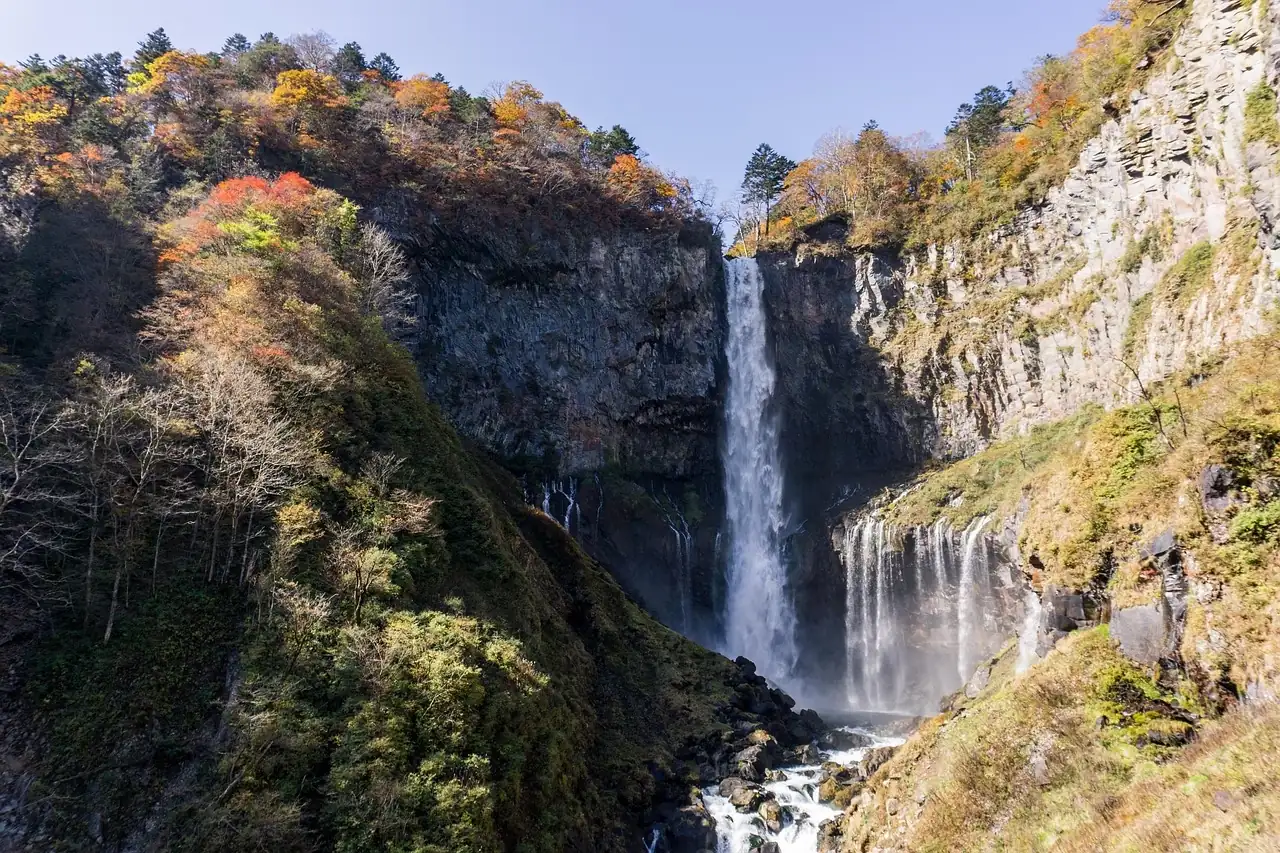
The sole drainage outlet for Lake Chūzenji forms Kegon Falls (Kegon-no-taki), ranked alongside Nachi Falls and Fukuroda Falls as one of the Three Great Waterfalls of Japan. Here, river water plunges ninety-seven meters down a sheer volcanic basalt cliff into a gorge below. Take the multi-story elevator carved deep into the bedrock to access the lower observation deck for close-up views of the thundering spray and columnar jointing rock formations.
4. Trek the Subalpine Wilderness of Senjogahara Marshland
Located further west into Oku-Nikkō at an elevation of 1,400 meters, Senjogahara ("Battlefield Plain") is a vast, four-hundred-hectare protected peat wetland. Shinto folklore recounts that the marsh was the battlefield where the mountain gods of Mount Nantai (taking the form of a giant serpent) and Mount Akagi (taking the form of a centipede) fought for territorial control of the lake. Today, a flat, elevated wooden boardwalk spans the marsh from Akanuma to Yudaki Falls, offering a tranquil 2.5-hour trek past alpine wildflowers, subarctic birch groves, and birdwatching platforms framing the volcanic peak of Mount Nantai.
5. Step into the Subterranean Stone Halls of the Oya History Museum
Situated in the western outskirts of Utsunomiya, the Oya History Museum offers access to a massive subterranean former stone quarry. Over centuries, miners hand-excavated more than twenty-thousand square meters of soft, fire-resistant greenish-grey volcanic tuff (known as Oya Stone, famously utilized by Frank Lloyd Wright to build Tokyo's historic 1923 Imperial Hotel). The cavernous underground chambers feature thirty-meter-high ceiling vaults with pickaxe-scored walls, illuminated by dramatic stage lighting. The temperature inside remains a constant 8°C (46°F) year-round, making it a surreal underground space that frequently hosts film sets, concerts, and art installations.
6. Soak in the River Canyons of Kinugawa Onsen
Clustered along the steep, wooded ravines of the Kinugawa River thirty minutes north of Nikkō, Kinugawa Onsen has been a prominent hot spring resort since the late Edo period, when only feudal lords and Buddhist abbots were permitted to bathe in its soothing alkaline mineral waters. Today, the town is packed with sprawling riverside ryokan complexes and foot suspension bridges like the Kinutateiwa Suspension Bridge, which hangs seventy meters above the rushing canyon. Board a traditional flat-bottomed wooden boat for the Kinugawa River Line Cruise, navigated by boatmen using bamboo poles through white-water rapids flanked by unusual rock formations.
7. Experience Historical Living at Edo Wonderland (Nikko Edomura)
Set against the wooded mountains outside Kinugawa, Edo Wonderland is an immersive living history park that faithfully reconstructs a 17th-century Japanese town during the golden age of the Tokugawa shogunate. Visitors walk down dirt roads between thatched samurai barracks, merchant shops, teahouses, and canal wharves populated by costumed townsfolk, geisha, and town marshals. The park features multi-story Ninja Theatres staging live acrobatics and sword choreography, throwing star (shuriken) firing ranges, and rental shops where guests can spend the day dressed in period samurai, ronin, or ninja garments.
Tochigi Food Culture: Dumpling Mastery, Sweet Strawberries & Yuba
Tochigi's agricultural wealth and pure mountain water supplies have fostered distinct regional culinary staples that differ from the seafood-heavy coastal prefectures:
- Utsunomiya Gyoza: The undisputed gyoza dumpling capital of Japan. During the postwar era, soldiers returning from Manchuria to their home barracks in Utsunomiya popularized pan-fried dumplings, transforming the city into a national culinary phenomenon. Utsunomiya residents consume more gyoza per capita than almost anywhere else in Japan. Unlike garlic-heavy variants, Utsunomiya gyoza feature thin, crisp skins packed predominantly with sweet local cabbage, chives, scallions, and minced pork. Order them in three distinct styles:
- Yaki-gyoza: Pan-fried on flat iron griddles with a crisp, golden lace skirt (hane).
- Sui-gyoza: Gently boiled dumplings served in a light, delicate broth.
- Age-gyoza: Deep-fried until the skin blisters into a crunchy shell.
- Nikkō Yuba (Tofu Skin): Refined over centuries by Buddhist monks as a protein staple for vegetarian temple cuisine (shōjin-ryōri). When fresh soybean milk is gently heated in flat open vats, a delicate skin forms on the surface. While Kyoto folds its yuba in single sheets, Nikkō chefs roll the skin into thick, multi-layered cylindrical scrolls, which are gently simmered in dashi, deep-fried, or served fresh as sashimi alongside freshly grated wasabi.
- Tochiotome & Tochiaika Strawberries: Tochigi has been the number-one producer of strawberries in Japan for over half a century. Cultivated in solar-assisted greenhouses utilizing mineral-rich mountain runoff, the prized Tochiotome and newly developed Tochiaika varieties are celebrated nationwide for their heart-shaped profiles, intense aromatic sweetness, and deep ruby-red color. From January through May, tourist farms across the southern plains offer all-you-can-eat strawberry-picking excursions.
- Sano Ramen: Originating in the southern foothills of Sano, this comforting local ramen is defined by its noodles: hand-kneaded and flattened using heavy green bamboo poles (aotake-uchi). This traditional method incorporates air pockets into the dough, resulting in smooth, wavy, springy noodles served in a piping-hot, crystal-clear soy sauce and chicken broth with tender char siu pork.
- Nasu Wagyu & Dairy: The cool, breezy highland plateaus of Mount Nasu host some of Japan's most celebrated dairy farms and cattle ranches. Sample premium Nasu Wagyu beef grilled over charcoal alongside artisanal cow’s milk cheeses, fresh churned butter, and rich milk soft-serve ice cream.
Transportation: Regional Rail Lines & Mountain Passes
Tochigi is exceptionally well connected to Tokyo via competing high-speed and private rail networks:
- Tokyo to Nikkō via Tobu Railway (The Best Route):
- Tobu Spacia & Spacia X: The premier limited express service. Departs directly from Tobu Asakusa Station or Tokyo Skytree, reaching Tobu-Nikkō Station in roughly 1 hour and 50 minutes. The luxurious Spacia X features observation suites, lounge seating, and an onboard craft beer and coffee bar.
- NIKKO PASS (World Heritage / All Area): Issued by Tobu Railway, these passes include round-trip rail travel from Asakusa plus unlimited local bus travel across Nikkō, Lake Chūzenji, and the Kinugawa onsen district.
- Tokyo to Utsunomiya via JR Shinkansen:
- The JR Tohoku Shinkansen (Yamabiko or Nasuno trains) blasts from Tokyo Station or Ueno Station to JR Utsunomiya Station in just 48 to 52 minutes. (Fully covered by the nationwide JR Rail Pass and JR East regional passes).
- From Utsunomiya, travelers bound for Nikkō transfer to the local JR Nikkō Line (42 minutes), which terminates at the classic timber-framed 1890 JR Nikkō Station designed by Frank Lloyd Wright's protégé, Kenkichi Yabashi.
- Digital Transit Cards (IC Cards): JR lines, Tobu rail lines, and the modern Utsunomiya Light Rail Transit (LRT) accept digital Suica, Pasmo, and ICOCA cards loaded on your smartphone. Regional mountain buses running up to Lake Chūzenji and Senjogahara also support IC card taps at the doors.
Where to Stay in Tochigi: Strategic Base Camps
| Base Hub | Vibe & Atmosphere | Transit Connections | Accommodation Strategy |
|---|---|---|---|
| Nikkō Town (Station & Shinkyo) | Charming mountain gateway, peaceful evening quiet, direct walking access to sacred shrines. | Terminus for Tobu-Nikkō and JR Nikkō lines; central bus hubs for Lake Chūzenji. | Historic heritage hotels (including the 1873 Nikkō Kanaya Hotel), traditional family-run minshuku, clean modern business hotels. |
| Lake Chūzenji & Oku-Nikkō | Lakeside alpine solitude, cool mountain breezes, dramatic autumn leaves. | Tobu mountain bus line (via Irohazaka hairpins). | High-end lakeside hot spring (onsen) ryokans with multi-course Kaiseki dining, luxury Western alpine lodges. |
| Kinugawa Onsen | Classic hot spring town, dramatic river canyon views, soothing alkaline mineral baths. | Direct Tobu Limited Express lines to Asakusa and Shinjuku. | Large-scale riverside hot spring resort hotels with expansive public and private open-air thermal baths (rotenburo). |
| Utsunomiya Core | Bustling commercial hub, energetic nightlife, countless gyoza eateries, central transport interchange. | Tohoku Shinkansen bullet train stop; JR regional lines; Utsunomiya LRT. | High density of modern, efficient Japanese business hotels (multiple central APAs), railway corporate towers. |
Best Seasons to Visit Tochigi
- Autumn (October to Early November): The undisputed peak season for Nikkō National Park. Because of the sharp elevation changes between Lake Chūzenji (1,270m) and Nikkō town (600m), the autumn foliage colors sweep down the mountainsides over six weeks. Maples and Japanese larches around Lake Chūzenji and Ryuzu Falls blaze in crimson and gold in early-to-mid October, reaching the temples of Tōshō-gū by early November. Traveler warning: The Irohazaka mountain pass experiences severe weekend traffic delays during peak autumn; visit on weekdays or depart at dawn.
- Spring (Mid-April to May): Mild, temperate sightseeing weather averaging 14°C to 18°C (57°F–64°F). Mountain cherry blossoms frame the historic temples of Nikkō in late April. In mid-spring, the Ashikaga Flower Park in southern Tochigi hosts the world-famous Great Wisteria Festival, featuring massive, hundred-year-old wisteria trees forming luminous sixty-meter tunnels of hanging violet and white blooms.
- May 17–18 (Grand Spring Festival of Tōshō-gū): The most spectacular historical reenactment in Tochigi. Features the Hyakumono-Zoroe Sennin Gyōretsu (Procession of a Thousand Warriors)—a majestic parade of over one thousand men wearing authentic Edo-period samurai armor, carrying halberds, matchlocks, and portable shrines, accompanied by mounted archers performing yabusame on the sacred shrine grounds.
- Winter (December to March): Crisp, snowy, and uncrowded. Temperatures hover between -4°C and 6°C (25°F–43°F). Shrines are draped in serene white snow, and Oku-Nikkō’s waterfalls freeze into monumental blue ice walls. In the thermal hamlet of Yunishigawa Onsen, the Kamakura Festival takes place from late January through February, featuring hundreds of miniature snow igloos (kamakura) illuminated by glowing beeswax candles along the riverbed.
- Summer (July to August): The highland plateau of Lake Chūzenji and the Nasu Highlands sit at high altitudes, offering cool daytime temperatures (22°C–25°C / 72°F–77°F) that historically attracted Western diplomats and the Imperial Family to build summer villas to escape Tokyo's coastal humidity.


 東京
東京 神奈川
神奈川 千葉
千葉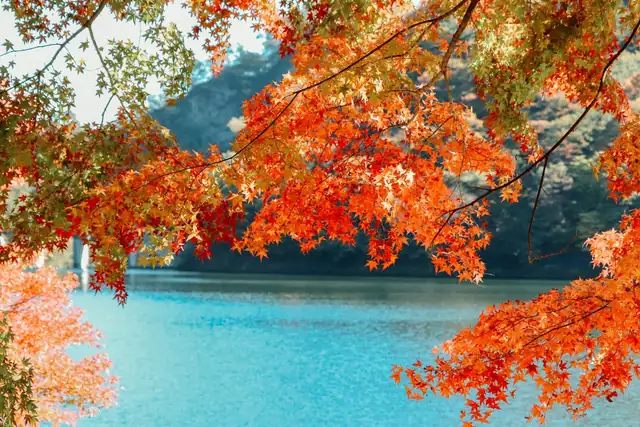 群馬
群馬 埼玉
埼玉 茨城
茨城